
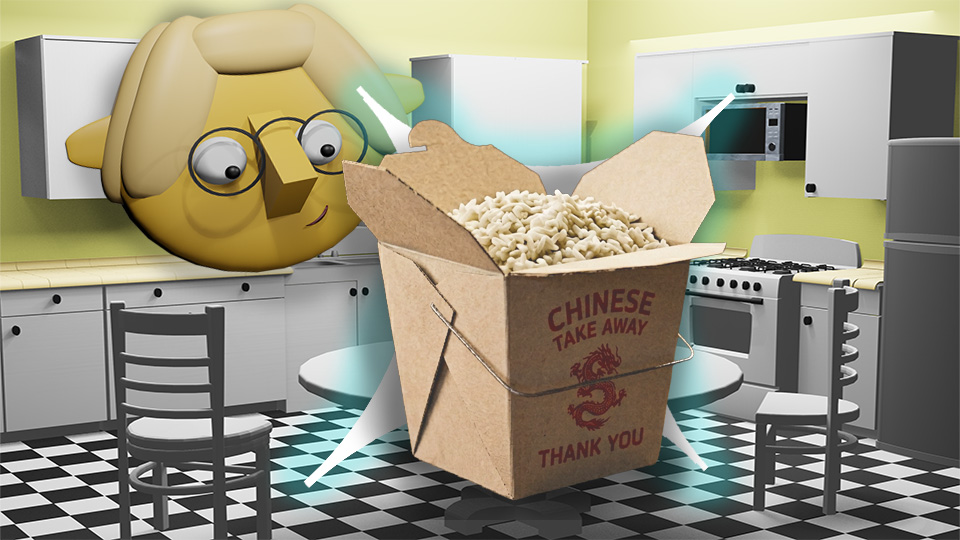
There is a container of rice in your refrigerator right now. It has been there since Tuesday. You are eyeing it with mild suspicion, trying to decide whether it’s still good and whether anyone is going to eat it.
Here is the thing about that rice: it is not a problem to solve. It is an upgrade waiting to happen.
Day-old rice is genuinely better than fresh rice for certain applications — not “better for leftovers” in the way people say things are “not bad” when they mean mediocre. Actually better. Chemically, structurally, culinarily better. The restaurant fried rice you’ve been trying to replicate at home and failing? The secret ingredient is old rice.
🤔 Why Old Rice Is Better (The Actual Science)
Fresh rice is full of surface moisture. That moisture is great when you want fluffy steamed rice. It is the enemy when you want fried rice, because wet rice steams in the pan instead of frying. The grains clump together. Nothing crisps. The result is soft, heavy, and nothing like what you ordered at the restaurant.
Day-old rice has lost that surface moisture. The grains have dried and separated. When they hit a screaming hot pan they fry — actually fry — developing a slight crust and that characteristic crackling texture that makes fried rice worth eating.
This is not a workaround or a trick. This is how fried rice is supposed to be made. Every restaurant that produces excellent fried rice is using rice that was cooked earlier. The leftover container in your fridge is the correct starting point, not a compromise.
🍳 What Leftover Rice Wants to Become
Day-old rice has a short list of second acts, and they are not consolation meals. They are genuinely excellent things:
- Fried rice. The obvious one and the best one. High heat, cold rice, a few pantry staples, eight minutes. The technique is straightforward once you understand why the heat and the cold rice matter — YouTube has dozens of excellent demonstrations of exactly what “high heat” looks like and what to do when. Watch one before you cook one.
- Congee. Rice simmered in a large amount of broth until it breaks down into something thick, warm, and deeply comforting. The rice equivalent of chicken soup. Day-old rice gets there faster than fresh rice and the result is identical. It is the meal for a difficult day, a cold evening, or a Tuesday that has not been going well.
- Rice bowls. Warmed leftover rice as a base for whatever else is in the fridge. A fried egg, some roasted vegetables, a drizzle of something — soy sauce, hot sauce, anything. Five minutes. Feels like a complete meal because rice is one of those bases that makes everything served on it seem intentional.
- Arancini. Fried rice balls with cheese in the center. A project rather than a weeknight meal, but the result is spectacular enough to be worth occasional effort. If you have leftover risotto specifically, this is its correct destiny. YouTube will show you exactly how.
- Stuffed peppers or tomatoes. Rice mixed with whatever protein and vegetables are available, stuffed into a vegetable, baked. A complete meal that looks considerably more deliberate than the ingredients would suggest.
🚧 The One Actual Rule About Leftover Rice
Leftover rice has a food safety consideration worth knowing. Rice can harbor Bacillus cereus, a bacteria that produces heat-resistant toxins in rice left at room temperature for extended periods. This is one of the genuine cases where “it looks fine” is not reliable guidance.
The rule is simple: cool leftover rice quickly after cooking, refrigerate it within two hours, and keep it for no more than four days. Reheat it thoroughly when you use it.
This sounds alarming but is actually very manageable. The risk is in rice left sitting at room temperature for hours — the classic covered pot on the stovetop situation. Rice that goes from pot to fridge within two hours is fine. Rice that sat out all evening is the concern.
Cool it fast. Refrigerate promptly. Use within four days. That’s the whole food safety conversation for leftover rice.
🛒 Gear Worth Having
- Zojirushi rice cooker — Makes perfect rice and keeps it warm without overcooking. The appliance that makes batch rice cooking entirely painless — and batch rice cooking is how you always have day-old rice available when you want fried rice.
- Carbon steel wok — The correct pan for fried rice. Gets hot enough to actually fry rather than steam the rice. A regular skillet can work but a wok works better. This is one of those tool-matters situations.
- Kikkoman soy sauce — The fried rice seasoning workhorse. Keep a bottle in the fridge. Use it on rice bowls, congee, and anything that needs a savory hit without much effort.
- Sesame oil — The finishing oil that makes fried rice taste like the restaurant version. A few drops at the end of cooking. Not for the heat — it burns — just for the flavor.
As an Amazon affiliate, I earn from each qualified purchase. Thank you for supporting TumbleBump.
✨ The Short Version
The rice in the back of your fridge is not a leftover problem. It is a better ingredient than the rice you made on Tuesday evening, specifically because it has had time to dry out and separate.
Fried rice, congee, rice bowls, arancini, stuffed vegetables — all of them start here. Cool it fast, refrigerate within two hours, use within four days, and let YouTube show you what high heat actually looks like before you start.
The restaurant has been using day-old rice the whole time. Now so do you.
📚 Related Reads
- Bread’s Second Act (And Third, And Fourth)
- Your Nose Is Not a Food Safety Inspector
- You Forgot to Defrost. Here’s How to Not Ruin Dinner.
TumbleBump is part of the John D. Reinhart content family. Writer, illustrator, videographer, and accidental filmmaker — find the whole story at JohnDReinhart.com.
24008
©2026 John D. Reinhart / TumbleBump.com. All rights reserved.

 tumblebump.com