
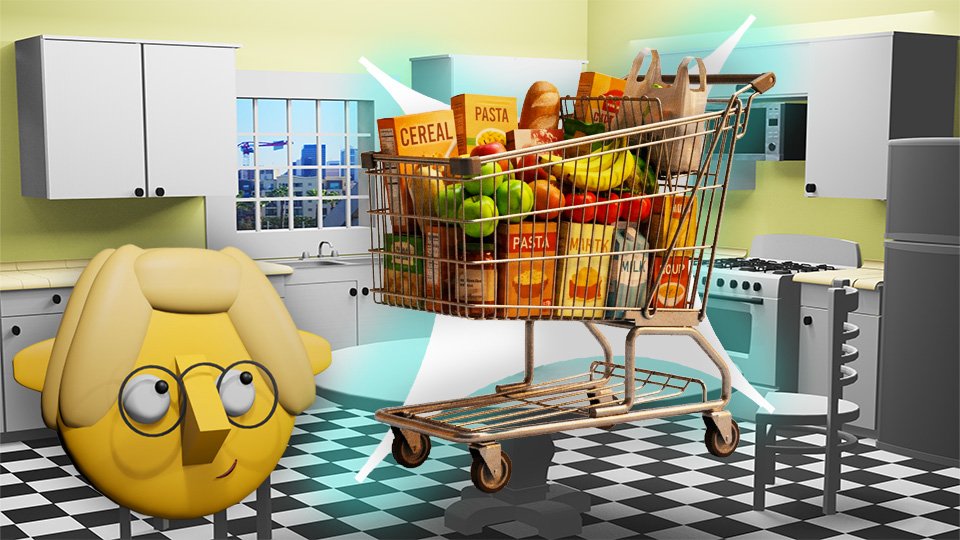
The Logic of the Grocery Circuit

The grocery store is not trying to help you shop efficiently. The layout is engineered to make you wander, linger, and impulse-buy. Here’s how to reverse-engineer the circuit and get in, get out, and get exactly what you came for.

The modern grocery store is a masterpiece of retail psychology.

The entrance almost never opens directly into produce — it opens into a sensory experience. Flowers. Warm bread smells piped strategically. Bright lighting. The produce section, full of colorful things that make us feel virtuous, is usually the first real stop, positioned to put you in a generous, optimistic spending mood before you reach anything else.

The essentials — milk, eggs, bread — are almost always at the back or far corners, forcing you to walk past everything else to reach them.

The checkout lane is a gauntlet of small, impulsive things at eye level.

None of this is accidental. The store’s goal and your goal are not the same goal. Here’s how to shop like the store layout is irrelevant, because it can be.


Build a List Organized by Zone, Not by Recipe

Most people write their grocery list in the order they think of things: milk, pasta, apples, chicken, cereal, onions. Then they zigzag across the store, backtracking constantly, and either miss things or make extra passes that expose them to more impulse buying.

The better method: organize your list by store zone before you go.

Standard grocery store zones: 1. Produce (usually first) 2. Bakery/Deli 3. Meat and Seafood 4. Dairy and Eggs (usually near the back) 5. Frozen Foods 6. Center aisles (canned goods, pasta, snacks, condiments, cereal)

Write your list with items grouped under each zone. You move through the store once, in order, without backtracking. You’re in and out faster and you pass the tempting displays fewer times.


Shop the Perimeter First

Here’s the classic grocery wisdom: the perimeter of most stores contains the fresh food — produce, meat, dairy, bakery. The center aisles contain processed and packaged foods.

Shop the perimeter first, then dip into the center aisles for specific things on your list. This naturally loads your cart with fresh ingredients before you hit the packaged goods, which subtly affects what you end up buying (you’re less likely to load up on snacks if your cart is already full of vegetables and protein).


The “Never Shop Hungry” Rule

This one is so cliché it barely seems worth mentioning, and yet. Hungry shopping produces a cart full of things that sounded like a good idea at the time. Everything looks appealing when you’re hungry. The impulse-buy displays are never more effective than when your blood sugar is low.

Eat something — anything — before you go. Even a handful of crackers makes a difference. This is not a willpower tip; it’s a biochemistry tip. Hunger literally changes how your brain evaluates options.


Know Your Store’s Floor Plan

You shop at the same store most weeks. Spend one trip paying attention to where things are, and you’ll never need to wander again. Within a few weeks, your mental map is so complete that you can write your list in exact aisle order, walk through the store efficiently, and be done before someone else has finished circling the produce section.

This sounds like a small thing, but it saves a meaningful amount of time and willpower every single week.


The “Planned Variety” Rule for Center Aisles

The center aisles are where you build your pantry — and where the danger of unfocused browsing lives. Go in with a specific list. Give yourself permission to grab one “exploratory” item per trip (a new sauce, a grain you haven’t tried, something that catches your eye) and no more.

This gives you novelty without derailment.


Unit Price Math: The Skill Worth Developing

Grocery stores are required to display unit prices (price per ounce, per pound, per count) on shelf tags. Most people ignore these. The people who don’t ignore them consistently spend less.

The larger size is usually cheaper per unit — but not always. Store brands are usually cheaper per unit than name brands for the same quality — but again, not always. The unit price tag does the math for you; you just have to look at it.

Pick two or three things you buy every week and start comparing unit prices. Within a month you’ll be doing it automatically, and it will quietly save you real money over time.


The List Is the Plan

A grocery list isn’t just a memory aid. It’s the physical representation of your meal plan for the week. When you shop from a list built around specific meals, you buy what you need and not much more. When you shop without a list, you buy what looks good in the moment and end up with a refrigerator full of ingredients that don’t form a coherent meal between them.

The list is the plan. The plan is the week. The week is how you eat well without thinking about it too hard.


🛒 Gear Worth Having

  • AnyList Grocery App — Organizes your list by store section automatically. Shared lists for households. The best grocery app in most people’s estimation.
  • Insulated Grocery Tote Bags — For cold items on the way home. Also good for the environment. Also makes you look organized, which is its own satisfaction.
  • Reusable Produce Bags — Eliminate the plastic bag situation in produce. Mesh, washable, and they actually work.
  • Bento-Style Cooler Bag — Keeps produce and dairy properly chilled if you’re shopping and then running errands.
  • Fastcheck Grocery Planner — For those who prefer pen-and-paper. A weekly template for list-building, budget tracking, and meal planning.

As an Amazon affiliate, I earn from qualifying purchases. Thank you for supporting TumbleBump. 


Related Reads


Posted on TumbleBump | PLANS Category

TumbleBump is part of the John D Reinhart content family. Writer, illustrator, videographer, and accidental filmmaker — find the whole story at JohnDReinhart.com.

22013

©2026 John D Reinhart/TumbleBump.com – all rights reserved
Cooking for One (Without Eating the Same Thing for 5 Days)

Cooking for yourself is supposed to be simple. So why does it always end in a vat of soup you’re still eating on Thursday? Here’s how to cook for one like a person who has options — and variety — and a life.

Cooking for one is genuinely tricky, and the reasons are structural rather than personal.

Recipes are written for four. Ingredients are packaged for families. A head of cabbage is enormous when you live alone. A bunch of cilantro is so much cilantro. You buy the rotisserie chicken, eat half, and then you’re staring at the remaining half for four days trying to feel creative about it.

The result, for most single-person households, is one of two failure modes: either you cook a full recipe and eat the same meal until you hate it, or you give up and order delivery because cooking “just for you” feels like too much effort.

Neither of these is inevitable. Here’s a better framework.


The Core Strategy: Cook Components, Not Meals

Instead of cooking a completed dish (chicken tikka masala, full pot of soup, a lasagna), cook components — proteins, grains, and vegetables that can combine into different meals throughout the week.

Example Sunday session, 45 minutes: – Roast a sheet pan of mixed vegetables (broccoli, sweet potato, bell pepper) – Cook a pot of grain (quinoa or rice) – Cook one protein (roasted chicken thighs, or hard-boil some eggs, or cook a batch of lentils)

Now you have: grain bowl Monday, veggie scramble Tuesday, chicken over greens Wednesday, fried rice Thursday. Four different meals from one cooking session, with almost zero repetition.

The components are the same. The assemblies are different.


Scale Down Your Recipes — Or Don’t

You don’t have to make a full recipe. Most recipes scale down reasonably well by halving or quartering ingredients. Some — baked goods especially — don’t scale as reliably, but stovetop cooking is very forgiving.

That said, some things are worth making in full and freezing half: soups, stews, chili, pasta sauces, meatballs. These freeze beautifully and become future emergency meals. A batch of homemade chili in the freezer is one of the most valuable things a solo cook can have.


The Proteins That Work for One

Some proteins are naturally single-serving friendly. Others come in bulk and need a strategy.

Naturally sized for one: – Eggs (always, endlessly flexible) – A single fish fillet (salmon, cod, tilapia) – One chicken thigh or drumstick – A single pork chop or steak – A small can of tuna, sardines, or beans

Bulk proteins that need a plan: – A package of ground meat → cook it all, use half in pasta sauce Monday, half in tacos Wednesday – A whole rotisserie chicken → eat as-is night one, strip and use in grain bowl, make a quick soup with the carcass – A can of beans → use half, refrigerate half in water for 3–4 days


The Variety Trick: Change the Flavor Profile

The same chicken, rice, and broccoli can taste completely different depending on what you do to it.

  • Monday: Soy sauce, sesame oil, ginger → Asian-inspired bowl
  • Wednesday: Olive oil, lemon, herbs → Mediterranean plate
  • Friday: Hot sauce, lime, cumin → Southwest vibes

You’re not eating the same meal three times. You’re eating the same ingredients interpreted three different ways. This is how restaurants work — mise en place components, finished to order in different directions.


Invest in Single-Serve Storage

One of the real pain points of solo cooking is portioning. Get a set of small, single-serve containers. When you cook a batch of something, immediately portion it into individual servings and refrigerate or freeze them. When you’re hungry and unmotivated, you’re not faced with a giant pot of something — you’re faced with a single container of a ready meal.

This turns cooking-for-one from a logistics problem into a convenience.


Embrace the “Almost Meal”

Not every solo meal needs to be cooked. The “almost meal” — an assembly of quality items that requires no heat — is a legitimate dinner.

  • Good cheese + crackers + fruit + a handful of nuts
  • Smoked salmon + capers + cream cheese + a good bread
  • Hummus + pita + sliced vegetables + olives
  • A can of good sardines on toast with butter and lemon

These are fast, satisfying, and require basically no cleanup. Keep the components around and give yourself permission to call them dinner.


🛒 Gear Worth Having

As an Amazon affiliate, I earn with each qualifying purchase. Thank you for supporting TumbleBump.


Related Reads

Posted on TumbleBump PLANS Category

TumbleBump is part of the John D Reinhart content family. Writer, illustrator, videographer, and accidental filmmaker — find the whole story at JohnDReinhart.com.

22014

©2026 John D Reinhart/TumbleBump.com – all rights reserved
The Calendar of Perishability: What to Eat When

Your groceries are on a countdown the moment they hit your fridge. Learning the simple logic of eating in the right order so you don’t throw anything away. Fresh first, sturdy later, freezer last. It’s a calendar, not a chore.

There is a tragedy that plays out in refrigerators across the country every week. Someone buys good food — fresh herbs, a bag of salad greens, some lovely fish — with the best of intentions. Then life happens. The fish gets pushed to the back. The herbs wilt into a damp heap. The salad becomes a liquid apology. And by Sunday, a depressing amount of money goes into the trash.

The fix is not discipline. It’s sequencing.

Your groceries are not all equal. They have lifespans, and those lifespans vary wildly. The skill is simply learning to eat them in the right order — fresh things first, sturdy things middle, shelf-stable things whenever.

This is the Calendar of Perishability.


The Tiers

Tier One: Eat Within 1–2 Days

These are your most fragile ingredients. They should anchor your first meals of the week.

  • Fresh fish and shellfish — 1–2 days, maximum. Buy it the day you cook it, or the day before.
  • Fresh pasta and filled pasta (tortellini, ravioli) — 2–3 days once opened
  • Delicate salad greens (spinach, arugula, spring mix) — wilt fast, eat within 2 days of opening
  • Fresh berries — 1–3 days depending on how they look
  • Fresh herbs (basil, cilantro, parsley) — 2–4 days; basil especially hates the fridge (keep it on the counter in water)
  • Ripe avocados — eat immediately once ripe or refrigerate for 1–2 more days

The move: Build Monday and Tuesday meals around these. Grilled fish on Monday. A big salad Tuesday. Berries with breakfast, every morning, until they’re gone.


Tier Two: Eat Within 3–5 Days

Solid mid-week staples. They can carry you through Wednesday and Thursday without panic.

  • Ground meat — 1–2 days raw; cook it early in the week and the cooked version lasts 3–4 days
  • Chicken pieces (raw) — 2 days raw; again, cook early
  • Whole milk and dairy — check the sell-by, usually 5–7 days after opening
  • Cooked grains (rice, quinoa) — 4–5 days refrigerated; make a big batch on Sunday
  • Tofu — 3–5 days once opened
  • Fresh broccoli, green beans, asparagus, zucchini — 3–5 days
  • Eggs — 3–5 weeks (they last much longer than most people think)
  • Deli meat — 3–5 days after opening
  • Soft cheeses (ricotta, cottage cheese, goat cheese) — 5–7 days

The move: Wednesday and Thursday meals live here. Stir-fry the broccoli. Use the cooked rice as a base. Finish the tofu.


Tier Three: Eat Within the Week (Flexible)

Sturdy, forgiving, and reliable.

  • Hard cheeses (parmesan, cheddar, gruyère) — 2–4 weeks, often longer
  • Carrots, celery, onions, cabbage — 1–3 weeks refrigerated
  • Apples, citrus — 1–3 weeks
  • Cooked beans — 5 days refrigerated, indefinitely frozen
  • Leftover cooked meat — 3–4 days
  • Butter — weeks in the fridge; months in the freezer
  • Yogurt — 1–2 weeks past the sell-by date (it’s fine, it’s already fermented)

The move: These are your weekend backstops. Friday’s pasta. Saturday’s grain bowl. The cheese that shows up on everything.


Tier Four: Whenever (Pantry and Freezer)

These don’t care about the calendar. They’re your safety net.

  • Canned tomatoes, beans, fish — years
  • Dried pasta, rice, lentils — years
  • Frozen vegetables and proteins — months
  • Oils, vinegars, condiments — months to years
  • Dried spices — 1–2 years before they start to fade

The move: Fill in gaps. Sunday pantry cooking when you’ve eaten through everything perishable. Emergency dinner when the week went sideways.


The Weekly Shape

If you think of your week as a timeline, it looks like this:

Monday–Tuesday: Fresh fish, delicate greens, ripe produce, fresh herbs. Eat the things that can’t wait.

Wednesday–Thursday: The mid-range ingredients — cooked grains, cooked chicken, sturdier vegetables, dairy.

Friday–Saturday: Hard cheese, root vegetables, eggs, leftovers, whatever’s left. This is also the day to check the fridge and use up anything approaching its limit.

Sunday: Pantry day. Pasta, canned beans, frozen things. Shop in your own cupboards. Then reset.


The Two Questions to Ask Every Day

Before you decide what to make, ask: What do I have that needs to be eaten soonest? Then: What can I make with that?

This flips the usual logic (decide what you want, then see if you have it) and reduces food waste dramatically. It also produces unexpectedly good meals, because constraint is an excellent creativity prompt.


🛒 Gear Worth Having

As an Amazon affiliate, I earn from each qualifying purchase. Thank you for supporting TumbleBump.


Related Reads

Posted on TumbleBump | PLANS Category

TumbleBump is part of the John D. Reinhart content family. Writer, illustrator, videographer, and accidental filmmaker — find the whole story at JohnDReinhart.com.

22015

©2026 John D Reinhart/TumbleBump.com – all rights reserved
The Rule of Threes: One Protein, Three Identities

Cook a pound of chicken on Sunday. Eat it in three completely different meals across the week. Nobody repeats themselves. Nobody gets bored. This is the Rule of Threes — the most useful meal planning trick you’ll ever learn.

There is a concept in cooking that doesn’t have a common name but that experienced home cooks use constantly, usually without thinking about it. It goes like this: cook one protein in quantity, and give it completely different identities across multiple meals.

The same pound of ground beef becomes spaghetti Bolognese on Monday, tacos on Wednesday, and the filling for stuffed peppers on Friday. The same roasted chicken is dinner Sunday, lunch grain bowl Monday, and chicken soup Thursday. The same baked salmon is plated as a main Tuesday and flaked into a rice bowl Thursday.

This is the Rule of Threes. One protein, cooked once, becomes three different meals. The cooking effort is concentrated. The variety is maintained. The week makes sense.


Why This Works So Well

The biggest lie in cooking is that meal variety requires cooking from scratch every night. It doesn’t. It requires creative assembly of pre-cooked components — which is exactly what professional kitchens do.

A restaurant doesn’t make three different dishes starting from raw chicken three times a night. They break down chicken, cook it in quantity, and finish it differently for each dish that goes out. You can do the same at home, with less finesse and approximately the same result.

The protein is the most time-intensive part of most meals to cook. Cooking it once and using it three ways multiplies your output without multiplying your effort.


The Proteins That Transform Best

Some proteins are naturally more “transformable” than others. Here are the best ones for the Rule of Threes and some suggested identities for each.

Roasted Chicken Thighs (or a Whole Rotisserie Chicken)

Identity 1: Sliced as a main protein over roasted vegetables and grain Identity 2: Shredded into a grain bowl with tahini dressing, cucumber, and herbs Identity 3: Shredded into a quick chicken soup with whatever vegetables and broth are around, or stuffed into tacos with salsa and avocado

Why it works: Chicken thighs are forgiving and moist when reheated. The flavor is neutral enough to accept completely different seasoning profiles in different identities.

Ground Beef or Turkey

Identity 1: A simple pasta Bolognese or meat sauce Identity 2: Tacos or burrito bowls with taco seasoning, lime, cilantro Identity 3: Stuffed into bell peppers with rice and cheese, or formed into a quick burger

Why it works: Ground meat absorbs new flavors readily. Adding different spices, acids, and aromatics makes each identity genuinely taste different.

Salmon or Other Fish

Identity 1: Baked as a simple main with lemon and herbs Identity 2: Flaked into a rice bowl with soy sauce, sesame oil, cucumber, and avocado Identity 3: Mixed into a quick fish cake or patty, pan-fried and served with a simple salad

Why it works: Fish flakes naturally and integrates into other dishes effortlessly. Note: cook fish a little under if you plan to reheat it — it firms up on second heating.

Cooked Lentils or Beans

Identity 1: As a base for a warm grain bowl with roasted vegetables Identity 2: Mashed with garlic, lemon, and olive oil as a dip or spread on toast with a fried egg Identity 3: Added to a soup or stew as protein, or wrapped in a tortilla with cheese and salsa

Why it works: Legumes are cheap, nutritious, neutral in flavor, and extraordinarily flexible. They’re the best budget protein for the Rule of Threes.

Roasted Pork Shoulder (a Weekend Cook)

Identity 1: Served as pulled pork over rice or with a side Identity 2: In tacos with pickled onions and salsa verde Identity 3: Mixed into fried rice, or piled onto a simple flatbread with barbecue sauce and coleslaw

Why it works: Pork shoulder is one of the easiest proteins to cook in bulk (low oven, long time, minimal attention) and one of the most flexible.


The Seasoning Secret

The key to making three identities feel genuinely different is changing the flavor profile, not just the presentation.

Same chicken, three flavor profiles: – Italian: Olive oil, garlic, fresh herbs, lemon → pasta or simple plate – Asian: Soy sauce, sesame oil, ginger, scallion → grain bowl or fried rice – Mexican: Cumin, lime, cilantro, chili → tacos, burrito bowl

You’re not reheating and serving the same thing three times. You’re taking a neutral base protein and redirecting it with the sauces, spices, and aromatics of different cuisines.


Planning the Rule of Threes

When you sit down for your Sunday Reset, don’t just pick meals — pick your anchor proteins. Ask: What is my main protein this week, and what three meals will I make from it?

Then shop for the protein and all three identities in one trip. Cook the protein once (usually during Sunday prep, or early in the week when you have more time). Assemble the three meals across the week.

This is the system. It is boring to describe and quietly excellent in practice.


🛒 Gear Worth Having

Add Post

As an Amazon affiliate, I earn from each qualifying purchase. Thank you for supporting TumbleBump.


Related Reads

Posted on TumbleBump | PLANS Category

TumbleBump is part of the John D. Reinhart content family. Writer, illustrator, videographer, and accidental filmmaker — find the whole story at JohnDReinhart.com.

22007

©2026 John D Reinhart/TumbleBump.com – all rights reserved
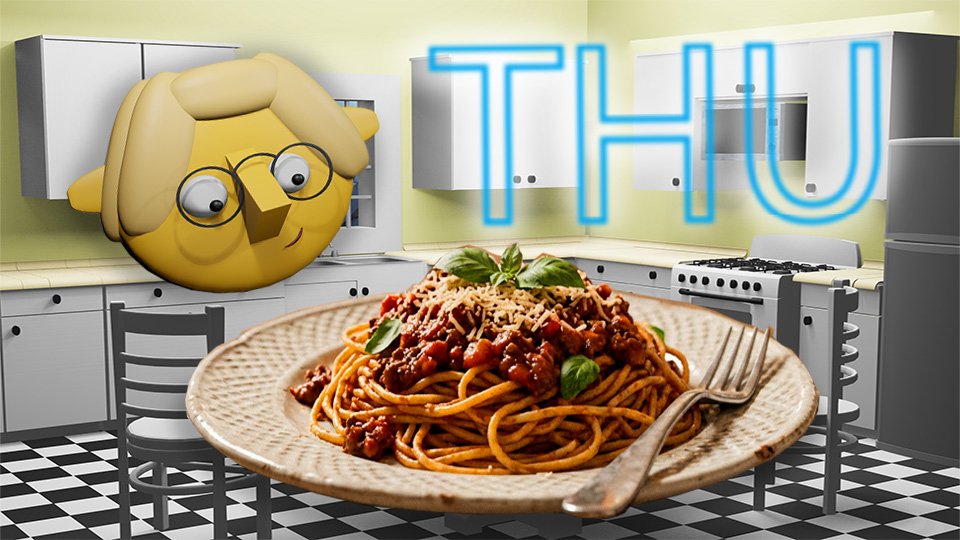
The “Emergency Meal” Slot

Every week has a Thursday. You know the one — tired, nothing prepped, the plan has fully dissolved. The Emergency Meal Slot is the thing you build into your week specifically for that night, so “I give up” never has to mean delivery.

Every well-intentioned meal plan has a Thursday.

Thursday is the day the week has caught up with you. The prep from Sunday is gone or forgotten. Your motivation has left the building. The thing you planned to cook sounds, in this moment, like an unreasonable amount of effort for a person as tired as you currently are.

Thursday is why the delivery apps exist. And sometimes that’s the right call. But sometimes you want to have eaten well without spending the money or waiting the 45 minutes.

The Emergency Meal Slot is your answer to Thursday.


What the Emergency Meal Slot Is

The Emergency Meal Slot is one designated spot in your weekly plan — usually toward the end of the week — where you have already decided that dinner will be fast, low-effort, and built from whatever requires the least amount of thought.

You’re not improvising on Thursday. You planned for Thursday on Sunday. You have ingredients. You have a short list of go-to meals. The decision is already made. You just have to execute.


How to Build Your Emergency Meal List

Your Emergency Meal List is a personal collection of 3–5 meals you can make in under 15 minutes from mostly pantry and fridge staples. These are not your best meals. They are your fastest and most dependable meals — the ones you could make half-asleep.

To build your list, ask yourself: What do I make when I truly cannot be bothered?

Most people have a version of these meals already. They just haven’t named them or given them the respect they deserve.

Common Emergency Meals for most kitchens: – Scrambled eggs and toast – Pasta with garlic and olive oil (or jarred sauce) – Quesadilla with whatever cheese is around – A fried egg on top of leftover rice with soy sauce – Avocado toast with a soft-boiled egg – A can of soup elevated with cheese, bread, or a fried egg on top – A bowl of cereal with fruit — and there is no shame in this

Write your list. Put it somewhere accessible (the fridge, a phone note). On days when you cannot think, you don’t have to think. You consult the list.


Stock for the Slot

Your Emergency Meal Slot only works if the ingredients are actually there. The frustrating thing about emergency cooking is that the night you most need it, you’re least likely to want to improvise.

Keep a small, specific set of staples dedicated to emergency meals:

Pantry: – A jar of good pasta sauce – Dried pasta (always) – Canned beans – Canned fish (tuna, sardines, salmon) – A can or two of soup

Fridge: – Eggs (always) – Butter – Hard cheese – Tortillas (they last weeks in the fridge) – Hot sauce

Freezer: – A bag of frozen vegetables – Frozen edamame (great emergency protein/snack)

These items cost very little and last a long time. They are the materials of the Emergency Meal Slot. Replenish them when you shop.


The Psychological Case for the Slot

Here’s what’s actually happening on Thursday: you’re not hungry for any specific thing. You’re hungry for ease. For the decision to be already made, for the effort to be minimal, for the meal to be done in minutes.

The Emergency Meal Slot gives you that. It’s not a concession — it’s a design. You built it into your week because you know yourself, and you know that Thursday comes for everyone.

The worst version of Thursday is standing in the kitchen at 7pm staring at a fridge full of things that don’t add up to a meal, feeling like you’ve failed at the week. The best version is pulling out a box of pasta, knowing exactly what you’re doing, and sitting down to eat 12 minutes later.

Plan for Thursday. Thursday will thank you.


Elevating the Emergency Meal

If you have even five extra minutes, you can make your emergency meal feel like a choice rather than a fallback:

  • Jarred pasta sauce: Add a pinch of red pepper flakes, a spoonful of butter, and a handful of fresh basil or parsley at the end.
  • Scrambled eggs: Add cheese, hot sauce, or yesterday’s roasted vegetables folded in.
  • Canned soup: Top with shredded cheese and serve with good buttered toast.
  • Quesadilla: Add a squeeze of lime and a spoonful of sour cream or salsa.

These are 2-minute additions that turn a survival meal into something you’d actually choose.


🛒 Gear Worth Having

As an Amazon affiliate, I earn from each qualified purchase. Thank you for supporting TumbleBump.


Related Reads


Posted on TumbleBump | PLANS Category

TumbleBump is part of the John D Reinhart content family. Writer, illustrator, videographer, and accidental filmmaker — find the whole story at JohnDReinhart.com.

22011

©2026 John D Reinhart/TumbleBump.com – all rights reserved
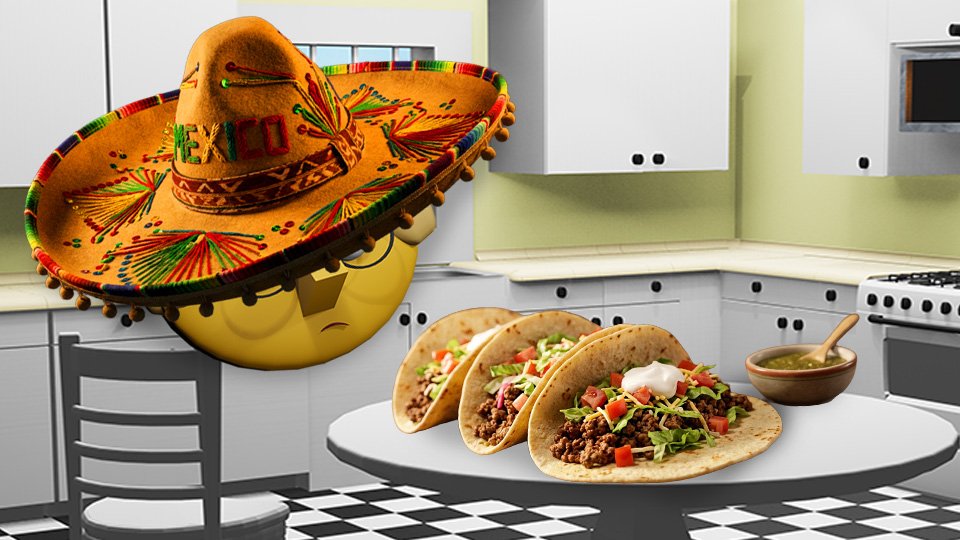
Theme Nights: The Laziest, Smartest Thing You Can Do for Dinner

You make 200+ food decisions a day. By dinner, your brain is gone. Theme nights fix this — here’s how to build a simple weekly system that actually sticks.

🗓️

You make over 200 food-related decisions every single day. That’s on top of every other decision your job, your relationships, and your general existence are busy demanding of you.

By 5:30pm, your decision-making brain is not tired. It is done. It has left the building. It is sitting in the car with its coat on.

This is not weakness. This is neuroscience. Decision fatigue is real, it accumulates all day long, and it is the entire reason ‘I don’t know, what do you want?’ has been the most common — and most maddening — dinner conversation since the invention of dinner.

Theme nights are the answer. Not a clever answer, not a trendy answer. A boring, reliable, works-every-time answer that families have been using for generations, and that you are going to start using immediately.

🧠 What a Theme Night Actually Does

A theme night doesn’t tell you what to make. It narrows the universe of options from ‘literally anything on earth’ to ‘something in this general category.’ That’s the whole trick.

‘What’s for dinner?’ answered with ‘I don’t know, anything goes’ → paralysis → DoorDash → mild shame.

‘What’s for dinner?’ answered with ‘It’s pasta night’ → you know the category → you check the pantry → you pick a pasta → decision made in 30 seconds. Done.

The theme kills the hardest part of the decision before you even sit down. Everything after that is just cooking.

📅 Building Your Theme Calendar

Assign a broad category to each weeknight. Keep the themes loose — that’s the whole secret, and we’ll come back to it.

Here’s a classic five-night setup to steal:

🥗 Monday: Soup or Salad

The reset meal. After a weekend of eating like you’re celebrating something, Monday is a big bowl of something lighter. Rotate through chicken soup, lentil, minestrone, a grain salad, or a wedge with some protein. Simple. Easy. Your body will thank you, and it almost never thanks you.

🌮 Tuesday: Mexican or Latin-Inspired

Tacos, obviously. But also: enchiladas, burrito bowls, quesadillas, arroz con pollo, tostadas, or anything else that involves cumin and happiness. This theme has enormous range. Taco Tuesday is just the beginning.

🍗 Wednesday: Protein + Vegetable

The simple plate. Chicken and roasted broccoli. Pork chop and sweet potato. Fish and sautéed greens. This is the plate method in its most basic, least fussy form. Easy to plan, quick to cook, zero drama.

🍝 Thursday: Pasta or Grains

Mid-to-late-week carbohydrate comfort. Pasta with a simple sauce. A grain bowl. Fried rice from the leftover rice that’s been sitting in your fridge since Tuesday. Farro with roasted vegetables. Your call.

🎉 Friday: Treat Yourself

Order in without guilt. Cook something that actually takes time and feels special. Pull together a charcuterie situation from whatever’s in the fridge. Friday has earned flexibility, and so have you.

🔑 Why ‘Loose’ Beats ‘Specific’ Every Time

Here is where theme nights fail: when people make them too rigid. ‘Spaghetti Bolognese every Tuesday’ is not a theme. It’s a sentence. Boredom follows. Abandonment follows boredom. The whole system collapses and you’re back on DoorDash by March.

‘Pasta night every Tuesday’ means this week it’s spaghetti with jarred sauce because you’re busy, next week it’s homemade carbonara because you have a free afternoon, the week after it’s pasta with zucchini because the fridge has a lot of zucchini and someone needs to deal with it.

Same theme. Completely different meals. Zero boredom.

The theme is a container. What goes in it can rotate forever.

🛠️ Making It Actually Yours

The calendar above is a starting point, not a mandate. Build around what you actually eat:

  • Love Asian food? One night is ‘Asian-inspired’ — stir-fry, ramen, fried rice, dumplings, teriyaki, whatever you feel like.
  • Want one meatless night? Meatless Monday has endured for a reason. It works.
  • Big breakfast-for-dinner household? That is a completely legitimate and beloved theme with zero apologies needed.
  • Trying to cook new things? ‘Wild Card Wednesday’ — one new recipe per week, controlled and contained, so the novelty doesn’t eat your whole life.

The themes should reflect the actual you — not the aspirational version of you who loves spending Saturday afternoons making elaborate things. That person is lovely, but they don’t show up on Wednesday at 5:45.

🚨 When the Theme Isn’t Happening

The theme is a suggestion. It is not a contract, a covenant, or a binding legal document.

If it’s pasta night and you genuinely want a salad, eat the salad. If it’s Mexican night and the avocados aren’t ripe and you physically cannot face tacos without guacamole — pivot. Make something else. Nobody is grading you.

Theme nights eliminate the decision about 80% of the time. That is an exceptional performance for a kitchen heuristic. Give it the credit it deserves and don’t expect perfection.

🛒 Gear Worth Having

As an Amazon Associate, I earn from qualifying purchases. Links above support TumbleBump — thank you!

📖 Related Reads

TumbleBump is part of the John D Reinhart content family. Writer, illustrator, videographer, and accidental filmmaker — find the whole story at JohnDReinhart.com.

22008

©2026 John D Reinhart/TumbleBump.com – all rights reserved
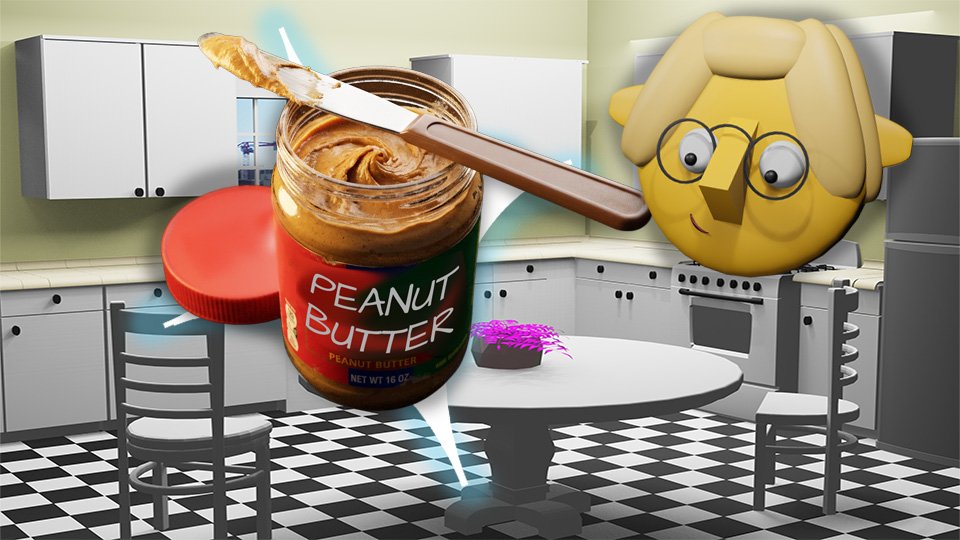
What to Get to Make Sure You Always Have Something

A well-stocked kitchen isn’t about having everything — it’s about having the right things. This is the definitive starter list: the pantry, fridge, and freezer items that make “there’s nothing to eat” a lie you’ll never tell again.

“There’s nothing to eat” is rarely literally true.

What it usually means is: there’s nothing that is already a meal, ready to serve. No leftovers. No complete dish. Just ingredients — and not obviously the right ones.

The fix is not stocking more food. It’s stocking the right food. A kitchen stocked with the items on this list will produce a real meal, on demand, without a grocery trip, approximately 90% of the time.

Here’s the list.


The Pantry: The Long Game

These are the shelf-stable items that form the foundation of most quick meals. They cost relatively little, take up modest space, and have long shelf lives.

Grains and starchy bases: – Dried pasta (at least two shapes — a long one and a short one) – Rice (white or brown, your preference) – Rolled oats – One other grain if you like them — quinoa, farro, barley

Canned goods: – Crushed tomatoes (keep 2–3 cans) – Diced tomatoes – Chickpeas (keep 2 cans) – Black beans (keep 2 cans) – White beans (cannellini) – Lentils or a bag of dried lentils – Canned tuna or salmon – Coconut milk – Good chicken or vegetable broth (cartons are fine)

Oils and acids: – Olive oil — good enough to cook with and finish – A neutral oil (vegetable, canola, or avocado oil) for high-heat cooking – Red wine vinegar or apple cider vinegar – Soy sauce or tamari

Flavor builders: – Garlic (fresh is best; garlic powder is a legitimate backup) – Dried onion flakes or a couple of fresh onions (onions last weeks on the counter) – Dijon mustard (a tablespoon makes a vinaigrette, a sauce, a marinade) – Hot sauce (any kind you like) – Honey or maple syrup (small amounts create enormous flavor balance)

Spices (the essential dozen): Salt (always), black pepper, cumin, smoked paprika, chili powder or red pepper flakes, garlic powder, onion powder, dried oregano, turmeric, cinnamon, curry powder or garam masala, and one spice blend you actually use.

Baking basics (if you bake at all): All-purpose flour, baking soda, baking powder, sugar, vanilla extract.


The Refrigerator: The Near-Term Staples

These are the items that turn pantry ingredients into actual meals — the fresh components with moderate shelf lives that your kitchen should never be without.

Always have: – Eggs (the single most versatile food in existence) – Butter (real butter, always) – A hard cheese (parmesan, cheddar, or both — grate it yourself) – Plain Greek yogurt (protein, breakfast, sauce base, sour cream substitute) – Milk or a milk alternative – Lemons or limes (one or two; fresh acid transforms everything)

Almost always have: – Garlic (or keep it in the pantry if you go through it slowly) – Onions or shallots – Carrots (last 2–3 weeks, work in almost anything) – A container of salsa or hot sauce – Dijon mustard – Soy sauce (can live in the pantry but gets used faster from the fridge)

The “eat within the week” produce: This is flexible — whatever you bought with a plan. But as a backup, these last longer than most: cabbage, broccoli, bell peppers, hardy greens (kale over spinach for longevity).


The Freezer: The Time Machine

The freezer extends the life of almost anything and quietly saves you more times than you’ll count.

Always have: – Frozen vegetables (at least two kinds: a mix, peas, edamame, corn, or broccoli) – A protein: frozen chicken thighs, ground beef, salmon fillets, shrimp, or edamame – Bread or tortillas (freeze beautifully; thaw in minutes) – Leftover soups, sauces, or cooked grains in portions

Nice to have: – Frozen fruit (for smoothies, oatmeal, or a quick dessert) – A container of good stock if you make it – Cooked beans portioned and frozen


The Meals These Enable

When your pantry, fridge, and freezer look like the above, here’s what you can make without any additional shopping:

  • Pasta with garlic and olive oil + parmesan
  • Fried rice with frozen vegetables and egg
  • Black bean tacos (tortillas from the freezer, beans from the can)
  • Lentil soup with carrots and canned tomatoes
  • Egg scramble with whatever vegetables are around
  • Grain bowl (from the cooked grains in the freezer) with a fried egg and soy sauce
  • Chickpea and tomato stew over rice
  • Oatmeal for breakfast, every day, forever

That’s 8+ meals from what’s already there. “There’s nothing to eat” officially becomes a lie.


Building the List Over Time

You don’t need to buy all of this at once. Add a few pantry items to each grocery run until the list is complete. The goal is a well-stocked kitchen by end of month, not a $200 pantry-building trip this week.

Prioritize in this order: eggs, pasta, canned tomatoes, canned beans, olive oil, salt, garlic. Those seven things get you further than almost anything else.


🛒 Gear Worth Having

As an Amazon affiliate, I earn from qualifying purchases. Thank you for supporting TumbleBump.


Recommended Reads

Posted on TumbleBump | PLANS Category

TumbleBump is part of the John D Reinhart content family. Writer, illustrator, videographer, and accidental filmmaker — find the whole story at JohnDReinhart.com.

22001

©2026 John D Reinhart/TumbleBump.com – all rights reserved
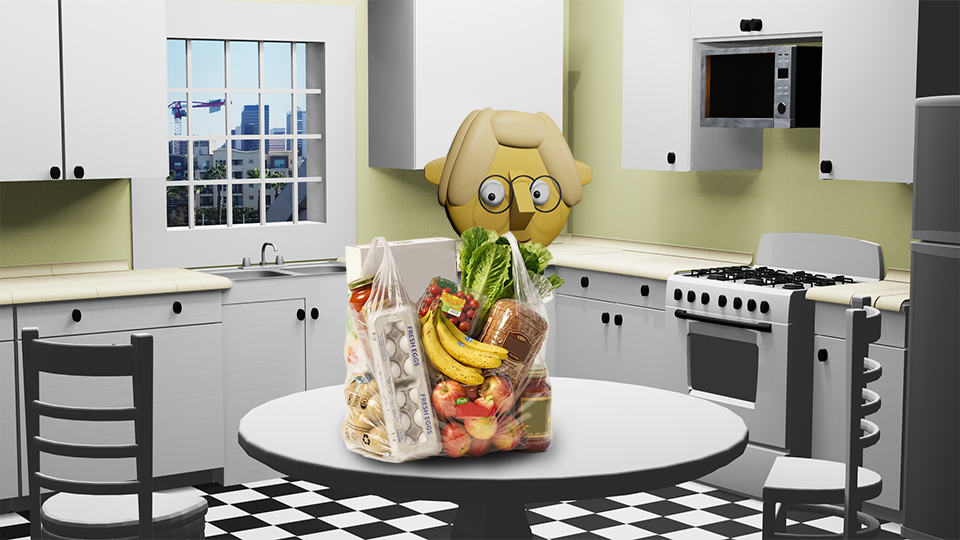
The Anatomy of a $100 Grocery Haul

A hundred dollars at the grocery store can go very, very differently depending on how you spend it. Here’s exactly how to allocate a $100 grocery budget to feed yourself well for a week — not just survive, but actually eat well.

A hundred dollars is a meaningful amount of money. At the grocery store, it can buy an entire week of good, varied, genuinely satisfying food — or it can buy a scattered assortment of things that don’t quite add up to meals, plus a few impulse purchases you forgot by Friday.

The difference is almost entirely in the structure of the spend.

Here’s a breakdown of how to allocate $100 at the grocery store for one to two people, for one week, eating well.


The Allocation (Rough Percentages)

This is a framework, not a prescription. Adjustit to match your household size, dietary preferences, and local prices. But the proportions are a useful starting point.

CategoryApproximate SpendNotes
Proteins$25–30The biggest cost driver
Produce$20–25Fresh and frozen combined
Grains & Pantry$15–20Often already stocked
Dairy & Eggs$10–12Eggs are the budget hero
Snacks & Extras$10–15The category that expands

The Proteins ($25–30): Spend Thoughtfully Here

Protein is the most expensive category and the one where buying strategically makes the biggest difference.

Budget-stretching protein strategy: – Eggs ($3–5 for 18 count): The best protein value in the store. One dozen eggs is 12 servings of protein for roughly 30–40 cents each. – Canned fish ($2–4 per can): Tuna, sardines, and salmon are cheap, nutritionally excellent, and shelf-stable. – Dried or canned beans and lentils ($1–3): An extraordinarily cheap protein and fiber source. A bag of dried lentils yields roughly 10 servings for $2. – Chicken thighs ($5–8 for a pack): Cheaper than breasts, more flavorful, more forgiving to cook. – Ground meat ($5–8): Versatile — pasta sauce, tacos, grain bowls, fried rice.

What to skip at the $100 level: Whole fish, premium steaks, and specialty proteins (wagyu, scallops, lamb chops) are treats for a different budget day.


The Produce ($20–25): Fresh and Frozen Both Count

Don’t feel obligated to buy only fresh. Frozen vegetables are picked at peak ripeness and flash-frozen — nutritionally they’re equivalent to fresh and often superior to “fresh” produce that traveled 2,000 miles in a refrigerated truck.

Fresh priorities ($10–15): – A couple of versatile vegetables (broccoli, bell peppers, zucchini) – Aromatics that make everything better: onions, garlic, ginger ($3–4 for all three) – One or two fruits (apples, bananas, citrus — the sturdy ones that last a week) – Something green for salads if you eat them

Frozen fillers ($5–10): – A bag of frozen vegetables (stir-fry mix, peas, edamame, broccoli) – These are your backup for nights when the fresh stuff is gone

Produce buying rule: Buy what you’ll actually use, not what you intend to use. The person you are on Sunday, buying produce, is more aspirational than the person you are on Wednesday, who is tired.


The Grains and Pantry ($15–20): Your Biggest Long-Game Investment

Here’s the thing about pantry staples: you don’t buy all of them every week. A bag of rice, a bag of pasta, canned tomatoes, olive oil — these last weeks or months. You’re building a pantry over time, not restocking it from scratch weekly.

At week one of building your pantry, this category costs more. By month two, you’re buying very little here because you already have it.

Core pantry items to have: – Dried pasta ($1–2 per lb) – Rice or another grain ($2–4 for a big bag) – Canned tomatoes ($1–2 per can; buy two) – Olive oil ($7–12 for a good bottle) – Canned beans — black, chickpeas, white beans ($1 per can) – Broth or bouillon ($3–4) – One or two pasta sauces ($4–6)

If these are already in your pantry, redirect this budget toward produce or proteins.


The Dairy and Eggs ($10–12): The Supporting Cast

Dairy makes food more satisfying, more nutritious, and more delicious. It also lasts reasonably well.

  • Eggs (already counted in proteins, but worth double-mentioning for their versatility)
  • Block of cheese ($4–6): Hard cheese like cheddar, parmesan, or a Mexican blend. Grate it yourself — pre-shredded costs more and has anti-caking agents that prevent proper melting.
  • Butter ($3–5): Real butter. It lasts, it’s essential, it’s irreplaceable.
  • Plain Greek yogurt ($4–5): Protein-rich, works as breakfast, a sauce base, and a sour cream substitute.
  • Milk ($3–4): If you use it. If not, skip it.

The Snacks and Extras ($10–15): Where Budgets Quietly Dissolve

This is the category to watch. A bag of chips here, a fancy sparkling water there, a specialty sauce because it looked interesting — this category can silently consume $30 of a $100 budget if you’re not paying attention.

Smart snack spending: – Nuts and seeds ($4–6 for a bag): More nutrient-dense and filling than most packaged snacks, comparable in cost per serving. – Dried fruit ($2–3): Lasts forever in the pantry, useful as a snack and in cooking. – Dark chocolate ($2–3): If that’s your thing. One square after dinner is genuinely satisfying. – Crackers or bread ($2–4): For cheese and as a meal component.


The Week This Builds

From a well-executed $100 haul, a single person eats roughly: – 7 dinners – 7 lunches (often leftovers or simple assemblies) – 14 breakfasts – Snacks throughout

That’s 28+ meals from $100, or under $3.60 per meal. No delivery fee. No waiting. Eaten exactly when you’re hungry.


🛒 Gear Worth Having

As an Amazon affiliate, I earn from qualifying purchases.


Recommended Reads

TumbleBump is part of the John D Reinhart content family. Writer, illustrator, videographer, and accidental filmmaker — find the whole story at JohnDReinhart.com.

22009

©2026 John D Reinhart/TumbleBump.com – all rights reserved
The Sunday Reset: How to Stop Asking “What’s for Dinner?” Every Single Night

The most stressful question in the English language is “What’s for dinner?” Here’s a 60-minute Sunday system that answers it for the whole week — before Tuesday ruins everything.

The most stressful question in the English language is not “What is the meaning of life?” It’s “What’s for dinner?” — specifically at 6:15 on a Tuesday when you’re exhausted, the fridge has a collection of ingredients that don’t speak the same language, and the drive-through is whispering your name.

Cooking is not just about heat and salt. It’s about logistics. The reason Tuesday night fails isn’t because you can’t cook — it’s because you didn’t have a plan when Tuesday was still theoretical. By the time it became real, the decision was already lost.

This is the fix. Sixty minutes on Sunday. Four simple phases. The whole week stops being a surprise.

🔍 Phase One: The Tactical Audit (10 Minutes)

Before you plan anything, you need to know what you already have. This sounds obvious. It is consistently skipped. The result is buying a second bag of rice while the first one sits in the back of the cabinet.

Why this matters: The fridge has things in it right now that are on their way out. That half-bag of spinach, the three carrots, the chicken that needs to be used by Wednesday — these are not problems. They’re your first three meals of the week, already paid for, already in the house. They just need to be seen.

Open the fridge. Move anything that’s aging to the front. Write down three things that need a job this week. Check that you have the basics — oil, salt, garlic, onions. Don’t assume. These things run out quietly and at the worst possible moment.

Ten minutes. The week now has a foundation.

🎯 Phase Two: The 3-2-1 Rule (The Golden Ratio)

Seven different meals for seven nights sounds organized. It is actually a one-way ticket to ordering pizza by Wednesday and feeling bad about it. The 3-2-1 rule is more honest about how weeks actually work.

  • 3 Anchor Meals. Three real meals you actually like. One of them should be a big batch — a roast, a soup, a pot of chili — that intentionally makes more than one dinner. Cook once, eat twice. This is not laziness. This is strategy.
  • 2 Quick Strikes. Two fifteen-minute meals for the nights when the week has already won. Tacos with leftover chicken. Eggs and toast. A quesadilla. These are not lesser meals — they’re the emergency flares that keep the whole week from collapsing into takeout.
  • 1 Wildcard. One night with no plan. Takeout, a dinner invitation, clean-out-the-fridge night. This isn’t a failure slot — it’s pressure relief. A plan with no flexibility is a plan that breaks.

The math: three anchor meals plus intentional leftovers plus two quick strikes covers six nights. The wildcard covers the seventh. The week is planned. Decision fatigue is defeated before it starts.

🗺️ Phase Three: Match the Meal to the Day (15 Minutes)

This is the phase most meal plans skip and it’s why most meal plans fail by Thursday.

Why it matters: Tuesday is your gym night. Wednesday you work late. Saturday the kids have a thing. A meal plan that ignores your actual calendar is just a wish list. Homemade risotto on your late-shift day is not a plan — it’s an ambush.

Look at the week. Put the big batch meal on the day you have the most time and energy — usually Sunday. Put the fifteen-minute meals on the days you have the least. Move the pivot meal — the one that can shift if something changes — to the middle of the week where the unexpected tends to land.

Write it down. A plan that lives only in your head is just a hope. “Tuesday: chicken tacos” on the fridge removes the decision entirely. Tuesday-you will thank Sunday-you. This is the whole point.

🛒 Phase Four: The Strategic Shop (25 Minutes)

You now have a list. A real list, built from a real plan, based on what you actually have and what your week actually looks like. This makes you a completely different kind of shopper.

  • Shop the perimeter. Produce, meat, dairy. That’s where your plan lives. The center aisles are where the impulse buys live. You can visit them for specific things on your list. Don’t browse.
  • Buy one safety net. A bag of frozen potstickers. A jar of good marinara. Something that becomes dinner in twelve minutes when life ignores your calendar. This is not junk food. This is insurance.
  • Eat before you go. A hungry shopper is an expensive shopper. The chocolate-covered almonds, the fancy crackers, the cheese that wasn’t on any list — these happen when you shop hungry. Have a snack. Save the money.

Twenty-five minutes. You’re done. The week is bought, planned, and ready.

📦 The Gear That Makes Sunday Easier

  • Airtight glass food storage containers — For the big batch meals that become Tuesday’s dinner. Glass containers go from fridge to oven to table without transferring smells or stains. The kind of thing that makes the whole system work.
  • A large Dutch oven — The big batch meal lives here. Soups, stews, chili, braises — a Dutch oven does all of it and goes from stovetop to oven without complaint. The anchor meal’s best friend.
  • Dry-erase weekly meal planner for the fridge — The written plan that defeats decision fatigue. On the fridge, visible, seven nights at a glance. Sunday-you writes it. Every-other-day-you just follows it.
  • Freezer-safe zip bags — For portioning and freezing the big batch overflow. The third night of chili is where the freezer bag earns its keep.

As an Amazon affiliate, I earn from each qualifying purchase. Thank you for supporting TumbleBump.

✨ Why This Actually Works

The Sunday Reset isn’t about cooking more. It’s about deciding less. Every night you stand in front of the open fridge at 6pm trying to figure out dinner, you’re spending mental energy that could be going somewhere else. The plan spends that energy once, on Sunday, when you have it to spare.

The 3-2-1 rule works because it’s honest. It doesn’t pretend you’re going to cook something ambitious on Wednesday after a long day. It plans for the Wednesday you actually have, not the Wednesday you wish you had.

Sixty minutes on Sunday. Six answered dinners. One wildcard for the week’s surprises. The question “What’s for dinner?” stops being stressful and starts being boring.

Boring is exactly what dinner should be.

📚 Related Reads


TumbleBump is part of the John D. Reinhart content family. Writer, illustrator, videographer, and accidental filmmaker — find the whole story at JohnDReinhart.com.

22012

©2026 John D. Reinhart / TumbleBump.com. All rights reserved.

Cooking on a Budget: It’s All a Plan

Cooking on a budget isn’t about being poor — it’s about having an actual plan for your money and your meals, instead of a system running on panic.

Welcome to your kitchen — a decorative room where you keep the bottle opener and a box of cereal. You’re standing there staring at an empty fridge that’s humming a little too loudly, realizing you have to feed yourself, every single day, indefinitely. The panic sets in fast: check the bank account, check the price of a designer salad, and suddenly bankruptcy by Tuesday feels like a real threat.

Here’s what the foodies won’t tell you: cooking isn’t a talent, it’s a logistics problem. And like any logistics problem, it’s solved with a plan, not a personality trait you either have or don’t.

🧠 The Why of the Plan

Walk into a grocery store with no plan, and you’re not shopping — you’re a target for marketing. That truffle salt looks like cuisine right up until you realize you forgot to buy the actual pasta to put it on. Budget cooking runs on system over instinct: a real plan isn’t just buying food, it’s buying back future time and saved money at the same time.

⚙️ The Three Gears of the Budget Engine

Inventory awareness means actually knowing what’s behind the cupboard doors, so a fourth bottle of ketchup doesn’t happen “just in case.” The component strategy means buying ingredients that pull double and triple duty — a bag of rice is Monday’s side dish, Wednesday’s bowl base, and Friday’s fried rice, all from one purchase. And the emergency exit means always having one genuinely fast, cheap meal on standby — a jar of marinara and a box of pasta — so a tired Tuesday doesn’t turn into a thirty-dollar delivery app disaster.

🍽️ Not About Deprivation

“Budget” sounds like a scary word — lukewarm beans out of a can, sitting on a crate. It’s the opposite. A real budget is what eventually buys the genuinely good chef’s knife, the enameled Dutch oven that lasts until you’re eighty. Planning the small stuff — beans, rice, eggs — is what funds the big stuff later. Most people think budget cooking means buying the cheapest thing possible. It actually means optimizing the logistics, which is a very different game, and a much more winnable one.

📋 Shop Your Cupboards First

The most expensive ingredient is the one already sitting in the cabinet that got bought again by mistake. Before leaving the house, open every cabinet — a photo of the shelves on your phone works as a quick reference at the store. If half a box of pasta is already there, the plan just got two dollars cheaper before a single item goes in the cart.

🎯 The Rule of Threes

Planning seven completely different meals is a recipe for burnout and rotting vegetables. Instead, pick one anchor protein — a pack of chicken, a block of tofu, a big bag of beans — and plan three different ways to wear it across the week: roasted Monday, in a rice bowl Wednesday, tucked into a taco or sandwich Friday. One purchase, three distinct dinners, zero repetition fatigue.

🗺️ Navigating the Grocery Circuit

Grocery stores are laid out to distract — staying on the perimeter keeps you in produce, meat, and dairy, the actual foundational goods. The middle aisles are where expensive, processed impulse buys live. Writing the list in the order the store’s laid out means no doubling back, and no extra laps past the aisles built to catch you off guard.

🧰 The Sunday Reset

Sunday doesn’t need to be a full day of cooking — twenty minutes of prep covers most of it. Wash the lettuce, chop the onions, portion them into containers. When 6:00 PM on a Tuesday arrives, the hard part’s already done, and dinner becomes assembly instead of a project starting from zero.

🛒 Gear Worth Having

Magnetic Dry-Erase Meal Planning Board — Keeps the week’s plan visible on the fridge, which does more for actually following a plan than any app buried three taps deep on a phone.

Glass Pantry Storage Jars with Labels — Makes inventory awareness genuinely effortless — a glance at a clear jar beats digging through a cabinet to find out what’s actually there.

Reusable Meal Prep Containers, Divided — The actual vessel for the Sunday Reset — portions Monday’s roasted protein and Wednesday’s rice bowl separately so nothing gets eaten out of order.

As an Amazon affiliate, I earn from qualifying purchases. Thank you for supporting TumbleBump.

📖 Related Reads


TumbleBump is part of the John D Reinhart content family. Writer, illustrator, videographer, and accidental filmmaker — find the whole story at JohnDReinhart.com.

22000

©2026 John D Reinhart/TumbleBump.com — All rights reserved