
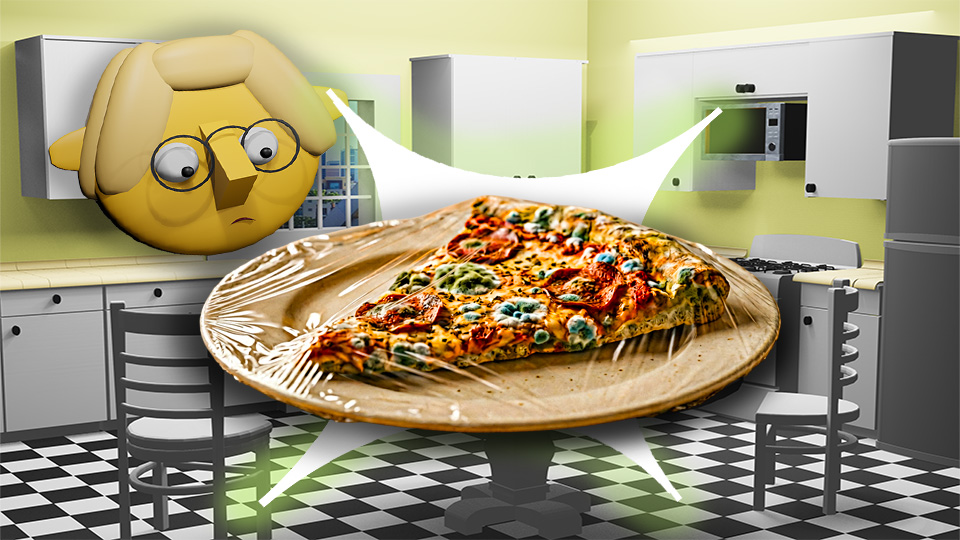
The question everybody asks — quietly, usually standing in front of the open refrigerator — is: is this still okay?
The container has been in there for a few days. It still looks fine. It smells fine. The date was… probably Sunday? Or was it Monday?
Here’s the answer, with more specificity than “use your nose” and more nuance than a single blanket number.
The Four-Day Rule (And Where It Comes From)
The USDA’s general guideline for most cooked leftovers is 3–4 days refrigerated at 40°F or below. This isn’t arbitrary — it’s based on the growth rates of common bacterial pathogens at refrigerator temperatures and the point at which populations can reach levels that cause illness.
Four days is a conservative, reliable number that accounts for typical home refrigerators and typical storage conditions. It’s the right number to default to when you’re uncertain.
The important caveats:
- It assumes the food was refrigerated within two hours of cooking (one hour if ambient temperature was above 90°F).
- It assumes your refrigerator is actually running at 40°F or below (many aren’t — measure yours).
- It assumes the food is in an airtight container rather than uncovered or loosely wrapped.
Leftovers that violated any of these conditions on the way in are on a shorter clock than four days suggests.
The Actual Timelines by Food Type
Not all leftovers are equal. Here are the more specific windows:
3–4 Days (The Standard Window): – Cooked chicken, turkey, other poultry – Cooked beef, pork, lamb – Cooked fish and shellfish – Soups and stews – Cooked egg dishes (frittata, scrambled, quiche) – Cooked pasta and pasta dishes – Cooked rice and grains (with a note — see below) – Pizza (store in an airtight container) – Casseroles and baked dishes (lasagna, shepherd’s pie)
3–5 Days: – Cooked beans and lentils – Cooked vegetables and vegetable dishes – Deli meats (opened package)
5–7 Days: – Hard-boiled eggs (in shell, unpeeled) — the shell protects them – Opened canned goods transferred to containers (beans, tomatoes, tuna)
1–2 Days: – Raw ground meat (should be cooked or frozen immediately) – Raw whole poultry – Raw fish and shellfish (buy the day of or freeze) – Oysters and live shellfish
The Rice Situation (A Special Case)
Cooked rice deserves specific mention because the risk is slightly different from most cooked foods.
Bacillus cereus spores — heat-resistant, common in the environment — can survive cooking and germinate in cooked rice stored at room temperature. The toxins this bacterium produces can cause illness.
This is not unique to rice (any starchy food can carry it), but rice is particularly associated with it because it’s so commonly left out to cool slowly or stored without refrigeration.
The rules for rice: refrigerate within one hour of cooking, in a shallow container that cools quickly. Eat within 4–5 days. Reheat thoroughly — above 165°F — before eating. Never leave cooked rice out overnight.
Reading the Signs (What the Nose Tells You and Doesn’t)
As covered in the “Your Nose is Not a Food Safety Inspector” post: the four-day guideline exists precisely because many dangerous bacteria produce no smell. “It smells fine on day 6” is not a reliable safety assessment.
That said, smell is still useful for catching obvious spoilage. If something smells off, sour, fermented, or in any way wrong — even within the four-day window — don’t eat it.
The framework: four-day rule is the clock. Smell is an additional alarm. Both matter. Neither alone is sufficient.
The Honest Assessment of What Actually Happens
Here’s the thing most food safety guidance doesn’t say directly: many people have eaten five-day-old leftovers and been fine. Many people have eaten two-day-old leftovers that were improperly stored and gotten sick. The timeline guidelines are probabilistic, not absolute.
What the four-day rule gives you is a reasonable safety margin that accounts for the range of typical home storage conditions. Operating within it consistently means you are almost never in the risky zone. Operating past it consistently means you’re taking on increasing odds of an unpleasant experience.
The math of food safety is also about the cost of being wrong. A foodborne illness ranges from miserable-but-fine to genuinely dangerous depending on the pathogen, the individual, and the dose. The cost of throwing out a four-day-old container of soup is low. The cost of getting seriously ill from keeping it is high. The four-day rule is not paranoia — it’s favorable arithmetic.
The Freezer Exit Strategy
When you realize something is reaching the end of its refrigerator window — day 3 and you won’t eat it by day 4 — freeze it. Today. Before it reaches the limit.
Food frozen at its quality peak is infinitely better than food that limped to the limit and then went in the trash. The freezer is not the end of the road. It’s a reset button.
🛒 Gear Worth Having
- Refrigerator Thermometer — Confirms you’re actually at 40°F. This is the most important piece of information for accurate leftover timing.
- Dry-Erase Refrigerator Labels — Write the date on every container before it goes in the fridge. Makes the four-day rule automatic.
- OXO Airtight Containers Set — Proper sealing slows bacterial growth and keeps food at its quality longer within the window.
- ThermoWorks Thermapen — For confirming reheated leftovers reach 165°F internal temperature before eating.
- USDA FoodKeeper App — A free, comprehensive reference for storage times by food type. The authoritative answer to every “how long does this last” question.
As an Amazon affiliate, I earn from each qualifying purchase. Thank you for supporting TumbleBump.
Recommended Reads
- Your Nose is Not a Food Safety Inspector
- Bread’s Second Act (And Third, And Fourth)
- Resurrecting Tuesday’s Lasagna
Posted on TumbleBump | SAVES Category
TumbleBump is part of the John D. Reinhart content family. Writer, illustrator, videographer, and accidental filmmaker — find the whole story at JohnDReinhart.com.
24000
©2026 John D Reinhart/TumbleBump.com – all rights reserved

 tumblebump.com