
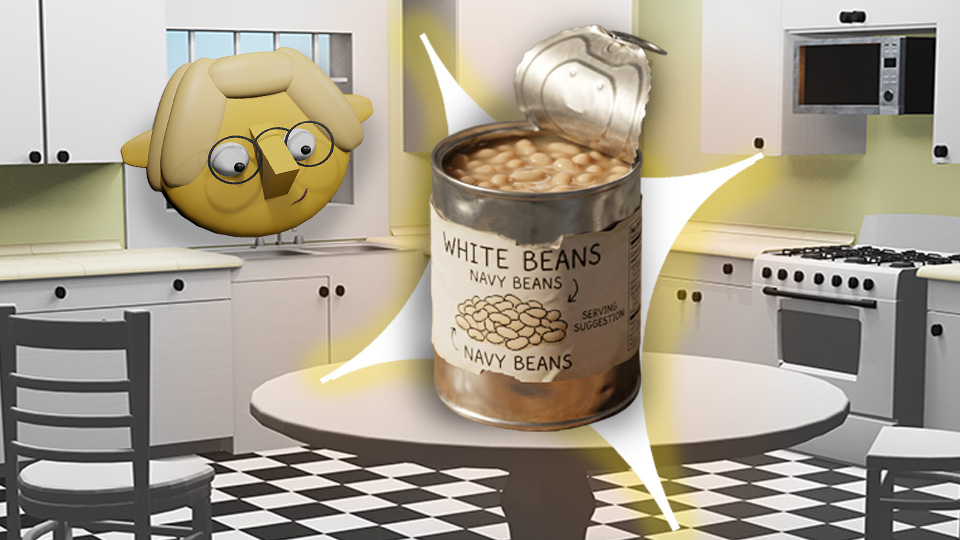
Canned beans are one of the most useful, most affordable, and most nutritious pantry staples available. They’re also one of the more contested items in the kitchen, specifically around a question that sounds trivial but has real implications: should you rinse them?
The short answer is: it depends on what you’re making. The longer answer explains why, and introduces you to one of the most remarkable byproducts in the kitchen that most people pour down the drain.
What’s in the Can Liquid
The liquid in a can of beans (called brine, bean liquid, or — when it’s from chickpeas specifically — aquafaba) is not a mystery. It’s primarily water, starch, and proteins that leached from the beans during the canning process, combined with any salt added during canning and sometimes other preservatives or flavor agents.
The composition: – Water (the majority) – Starch (gives it a slightly viscous, cloudy quality) – Proteins (including albumins that have interesting culinary properties) – Sodium (anywhere from 100–400mg per serving depending on the brand and whether it’s low-sodium) – Sometimes: preservatives (calcium chloride for texture), sugar, natural flavors
The Case for Rinsing
Reduces sodium: Rinsing canned beans under cold water for 30 seconds removes roughly 40% of the sodium content, according to research from the Bean Institute. For anyone watching sodium intake, this is a meaningful reduction.
Improves flavor in some applications: The brine has a distinctive, slightly metallic, somewhat fermented flavor that is muted in some dishes but noticeable in others. In salads, fresh bean applications, and any dish where the beans are featured on their own without heavy seasoning, the brine can impart a “canned” quality. Rinsed beans taste cleaner.
Reduces flatulence: A portion of the oligosaccharides (complex carbohydrates) responsible for digestive gas have leached into the brine. Rinsing removes some of these. The effect is meaningful but not dramatic.
Improves texture: Rinsed beans are firmer and more distinct. The brine’s starch content causes beans to clump slightly; rinsed beans separate more cleanly.
The Case for Not Rinsing
The brine adds body to soups and stews: In a minestrone, a ribollita, a black bean soup, a chili — the starch in the bean liquid naturally thickens the dish and adds a rounded, integrated quality that rinsed beans (which then just add water from the rinse) don’t provide.
The brine can be the sauce: In a simple dish of white beans with olive oil and garlic, or braised greens with cannellini beans, the bean liquid emulsifies with the olive oil and makes a silky, glossy sauce that has no substitute.
It costs you sodium reduction, which you may not need: If sodium isn’t a concern, the brine’s flavor contribution may be a net positive.
The Rule of Thumb
Rinse when: Using beans in salads, grain bowls, or applications where the beans are served relatively unembellished and the “canned” flavor would be noticeable. Also rinse when sodium is a concern.
Don’t rinse when: Adding beans directly to soups, stews, or dishes where the liquid cooks into the dish and becomes part of the sauce. The brine contributes positively to flavor and texture here.
Either way: The difference is real but not dramatic. Rinsed or not, canned beans are excellent.
Aquafaba: Don’t Pour This Down the Drain
Here’s the part that will genuinely surprise you.
The liquid from a can of chickpeas — aquafaba (Latin for “bean water”) — has remarkable culinary properties. It behaves like egg whites when whipped: it foams, it holds peaks, it emulsifies, and it can be used as a direct substitute for egg whites in many applications.
Whipped aquafaba produces a stable foam that can be used in:
- Vegan meringues: Aquafaba whipped with sugar and cream of tartar produces meringue that is functionally indistinguishable from egg white meringue to most tasters.
- Vegan mayonnaise: Aquafaba emulsifies with oil to produce a mayo with no egg.
- Mousse, pavlova, macarons: Any application that uses whipped egg whites can substitute aquafaba.
- Cocktails: The egg white foam in a pisco sour or whiskey sour can be replaced with aquafaba for a vegan version with the same texture.
The reason: aquafaba contains albumins — the same class of proteins found in egg whites — that denature and trap air when agitated. The foam is real, stable, and culinarily useful.
To use it: Drain a can of chickpeas, reserving the liquid. That’s aquafaba. Whip it with an electric mixer just as you would egg whites — it takes longer than egg whites but gets there. Use 3 tablespoons of aquafaba per egg white in any recipe.
Low-Sodium vs. Regular Canned Beans
Low-sodium canned beans have roughly 50–140mg of sodium per serving vs. 300–440mg in regular. For those managing blood pressure or overall sodium intake, the low-sodium versions are worth seeking out — particularly when you’re not rinsing (soups, stews). Regular beans that are rinsed approach low-sodium levels in terms of final sodium content.
🛒 Gear Worth Having
- Goya Low Sodium Black Beans 8-Pack — The pantry protein in the lower-sodium form. Stock in quantity.
- Eden Foods Organic Canned Beans (No Added Salt) — No added salt means full control over sodium. BPA-free cans. The conscientious choice.
- OXO Good Grips Colander — For rinsing beans when you do rinse them. The colander that actually stays stable.
- Vitamix Blender for Bean Soups — For puréeing bean soups (white bean, black bean, split pea) where the un-rinsed brine becomes part of the velvety texture.
- KitchenAid Hand Mixer for Aquafaba — For whipping aquafaba into meringue peaks. A hand mixer works; a stand mixer is faster.
As an Amazon affiliate, I earn from qualified purchases. Thank you for supporting TumbleBump.
Related Reads
- The Essential Five: Your Kitchen’s Stable of Staples
- The “Is It Done?” Checklist
- The Anatomy of a $100 Grocery Haul
Posted on TumbleBump | GOODS Category
TumbleBump is part of the John D Reinhart content family. Writer, illustrator, videographer, and accidental filmmaker — find the whole story at JohnDReinhart.com.
27000
©2026 John D Reinhart/TumbleBump.com – all rights reserved

 tumblebump.com