There is a great injustice that has been done to vegetables.
For decades, they were boiled until pale and soft, served as reluctant side dishes, and presented as the joyless nutritional obligation you had to eat before the real food. They tasted watery and vague because they were watery and vague — all the flavor steamed out of them into the cooking water and down the drain.
The vegetables were never the problem. The cooking method was the problem.
Properly cooked vegetables are one of the best things you can eat. Roasted carrots are sweet and caramelized and almost candy-like. Sautéed green beans are snappy and bright and deeply savory. Roasted broccoli develops crispy edges that people fight over. We’ve just been doing it wrong.
Here’s how to do it right.
Method One: Roasting (The Greatest Method)
High heat + fat + time = the best vegetables you’ve ever made. Roasting caramelizes the natural sugars in vegetables and creates browned edges that concentrate flavor in a way nothing else does.
The method:
- Preheat your oven to 400–425°F (hot — this is the whole game).
- Cut vegetables into even-sized pieces so they cook at the same rate.
- Toss with enough olive oil to coat everything lightly (about 2–3 tablespoons per sheet pan of vegetables). Season generously with salt.
- Spread in a single layer on a sheet pan. This is crucial — don’t pile them up. Crowded vegetables steam instead of roasting. Use two pans if you need to.
- Roast, turning once halfway through, until tender and golden at the edges.
Timing guide: – Broccoli/cauliflower florets: 20–25 minutes – Brussels sprouts (halved): 25–30 minutes – Carrots/parsnips (chunks): 30–35 minutes – Asparagus: 12–15 minutes – Bell peppers (strips): 20–25 minutes – Zucchini/summer squash: 15–20 minutes – Sweet potato (cubes): 30–35 minutes
Optional but excellent: – A squeeze of lemon at the end brightens everything – Fresh or dried herbs in the last 5 minutes – Grated parmesan over the top right before they come out – A drizzle of balsamic reduction for sweetness and depth
Method Two: Sautéing (Fast and Excellent)
Sautéing is high-heat cooking in a small amount of fat, with movement. It’s fast, it keeps vegetables crisp and bright, and it’s perfect for weeknight cooking.
The method:
- Heat a pan (not nonstick — you want it to get very hot) over medium-high heat. Add oil or butter and let it get hot — it should shimmer for oil, foam for butter.
- Add vegetables. Don’t touch them for 1–2 minutes. Let them develop some color on the bottom before you start moving them.
- Toss or stir, then let them sit again. The goal is some browning, not constant agitation.
- Season with salt. Finish with garlic (added near the end so it doesn’t burn), lemon, herbs, or whatever sounds good.
Best vegetables for sautéing: Green beans, snap peas, spinach, mushrooms, asparagus, corn, peppers, cherry tomatoes, kale (slightly wilted with oil and garlic is magnificent).
Time: Most sautéed vegetables are done in 5–10 minutes.
Method Three: Blanching and Shocking (For Salads, Meal Prep, and Perfection)
Blanching briefly boils vegetables, then immediately plunges them into ice water. The result: vivid green color, crisp-tender texture, bright flavor. This is how restaurants get their vegetables so visually perfect.
The method:
- Bring a large pot of heavily salted water to a full rolling boil.
- Drop vegetables in. Cook just until they turn bright and vibrant — usually 1–3 minutes.
- Immediately transfer to a bowl of ice water. Let them sit for a minute or two.
- Drain. Serve, or store in the fridge for up to 3 days.
Blanched vegetables can then be finished with butter in a pan, dressed in vinaigrette for a salad, or eaten as-is.
Best for: Broccoli, green beans, asparagus, peas, snow peas, edamame.
The Flavor Combinations That Always Work
Broccoli: Roasted + lemon + parmesan. Always works. Always eaten.
Brussels sprouts: Roasted with a little bit of bacon or pancetta. Even people who hate Brussels sprouts eat these.
Carrots: Roasted with honey and a little butter and thyme. Sweet, tender, deeply good.
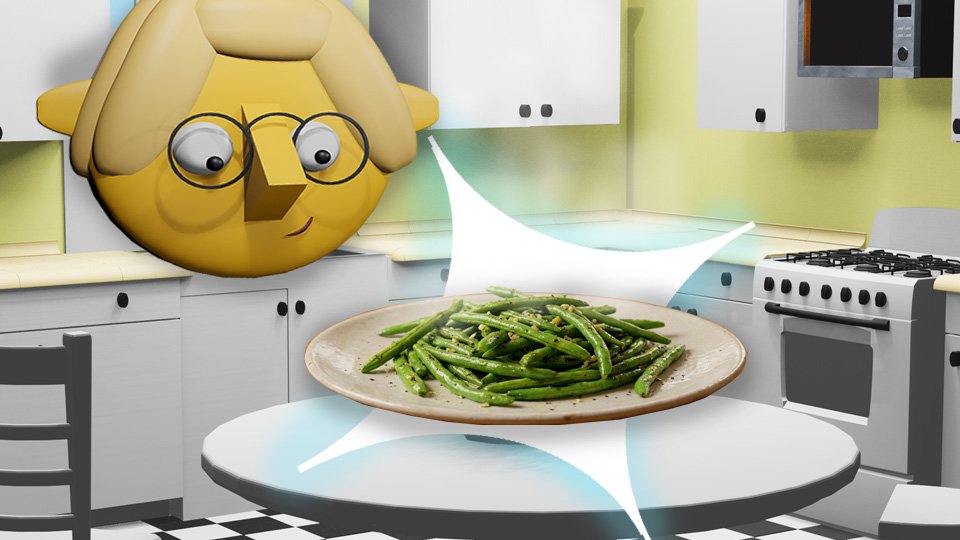
Green beans: Sautéed with garlic and a handful of toasted almonds. Bright, snappy, sophisticated.
Asparagus: Roasted with olive oil, salt, and pepper, finished with a squeeze of lemon. Done in 12 minutes and consistently excellent.
Mushrooms: Sautéed in butter over high heat with garlic and thyme. Do not crowd them — let them brown. Crowded mushrooms steam and go rubbery. Browned mushrooms are revelatory.
Spinach or kale: Sautéed in olive oil and garlic until just wilted. Season with salt and a tiny bit of lemon or red pepper flakes.
One More Thing: Salt Your Vegetables
Season vegetables before they go in the oven or pan, and taste them again when they come out. Undersalted vegetables taste flat and green and healthy in the wrong way. Properly salted vegetables taste like themselves — rich, sweet, complex, and satisfying.
This is genuinely the whole secret.
🛒 Gear Worth Having
- Nordic Ware Aluminum Half-Sheet Pan — The best roasting pan in the world, for $15. Get two.
- OXO Good Grips Sheet Pan Rack — A rack set inside a sheet pan circulates air under vegetables for even crispier roasting.
- Misen Carbon Steel Skillet — Gets ripping hot and produces excellent browning on sautéed vegetables.
- OXO Salad Spinner — For washing and drying leafy greens. Wet greens steam instead of sauté — the spinner matters.
- The Vegetarian Flavor Bible by Karen Page — A reference guide to what flavors go with every vegetable. Endlessly useful.
As an Amazon affiliate, I earn with each qualifying purchase. Than you supporting TumbleBump.
Recommended Reads
- What to Get to Make Sure You Always Have Something
- Fresh vs. Frozen Vegetables: The Nutrition Shock
- Canned Beans: The “Rinse” Requirement
TumbleBump is part of the WhistleBump group – find the rest of the family at WhistleBump.com.
21002
©2026 John D Reinhart/TumbleBump.com – all rights reserved