
The dishwasher is a remarkable machine that cleans things so efficiently that it occasionally cleans the finish right off them, warps them, rusts them, or leaves them permanently cloudy.
The question “can I put this in the dishwasher?” is one of the most frequently asked in domestic life, and the answer is almost always either “yes, obviously” or “absolutely not, and here’s what will happen if you do.”
Here’s the full guide.
Definitive YES: These Go in the Dishwasher
Plates, bowls, and mugs: Yes. This is what the dishwasher was made for. Ceramic, porcelain, and glass dinnerware is entirely dishwasher safe, with one exception: hand-painted or gold-rimmed pieces. The heat and detergent fade hand-painted designs and strip metallic accents over time. Everyday dishes: dishwasher. Heirloom china: hand wash.
Glass bakeware (Pyrex, etc.): Yes. Tempered glass bakeware is dishwasher safe. Just make sure pieces aren’t clanking against each other — chipping happens when glass items knock together in the cycle.
Stainless steel utensils: Yes. Forks, spoons, most spatulas, ladles, and stainless steel whisks are fine. Caveat: stainless steel can develop spots in the dishwasher — a rinse aid helps prevent this.
Plastic containers and lids (if dishwasher-safe labeled): Top rack only. Lower rack heat can warp plastic. Look for the dishwasher-safe symbol — wavy lines in a box — on the bottom.
Silicone utensils and bakeware: Yes, generally. Silicone is heat-stable and dishwasher-safe. Some silicone develops a greasy film in the dishwasher that requires extra attention — if this happens, a hand wash with hot soapy water or a rinse with baking soda cuts it.
Dishwasher-safe non-stick pans (sometimes): Some manufacturers label their non-stick cookware as dishwasher-safe. If yours says so, it’s technically permissible. But: even “dishwasher-safe” non-stick ages faster in the dishwasher than it does with hand washing. The detergent and heat are hard on non-stick coatings over time. Hand washing extends the life of non-stick significantly. Your call.
Definitive NO: These Never Go in the Dishwasher
Good kitchen knives: This is the cardinal rule. The dishwasher damages knives in three ways: the heat can loosen handles, the detergent is harsh on the blade steel and edge, and the movement of the cycle causes knives to knock against other items, dulling and chipping the edge. A good knife hand-washed after every use will last decades. A good knife run through the dishwasher will deteriorate perceptibly within months. This rule applies to all quality knives — chef’s knives, paring knives, bread knives.
Cast iron: Strips seasoning, causes rust, generally catastrophic for the pan. If you use the dishwasher for cast iron, you will experience the full re-seasoning protocol on a regular basis. Don’t.
Carbon steel pans: Same as cast iron. Rust immediately.
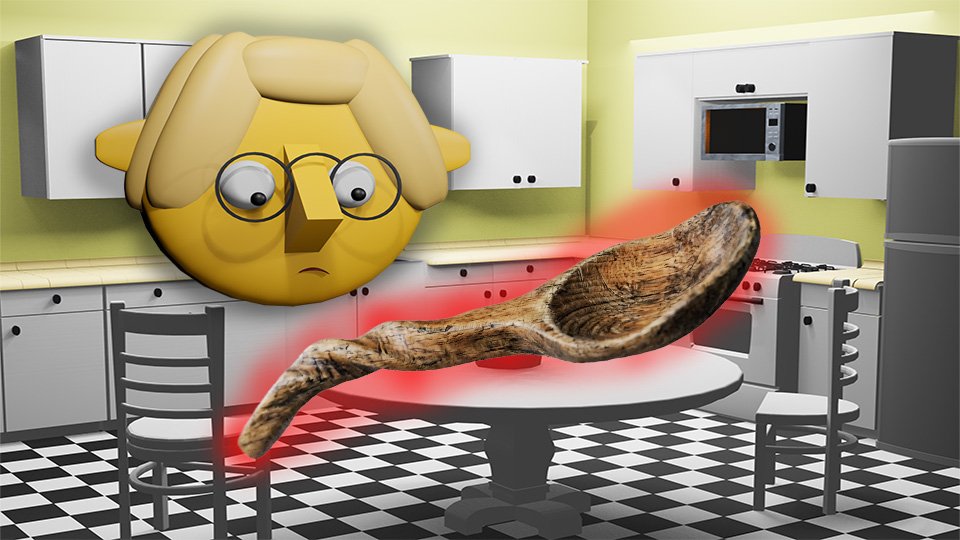
Wooden items (spoons, cutting boards, handles): The dishwasher causes wood to expand, crack, warp, and split. A wooden spoon in the dishwasher is a wooden spoon that’s on its way to the trash. Hand wash and dry immediately.
Copper cookware: The dishwasher strips copper’s finish and causes discoloration. Hand wash with gentle soap, dry immediately.
Aluminum cookware (uncoated): Dishwasher detergent reacts with uncoated aluminum and causes it to oxidize and discolor — a dark, dull, permanent effect.
Crystal glassware: The harsh detergent etches crystal over time, producing permanent cloudiness. Hand wash.
Hand-painted or gold-rimmed dishes: The detergent fades paint and strips metallic trim. Hand wash.
Insulated travel mugs and bottles: Most aren’t dishwasher-safe, and even those that are can develop leaks around the vacuum seal over time from repeated heat exposure. Check the label; when in doubt, hand wash.
Non-stick pans (even if labeled dishwasher-safe): See above. Technically permissible, practically inadvisable for longevity.
The “It Depends” Zone
Wine glasses: Standard wine glasses can go in the dishwasher (top rack, with plenty of space). Delicate crystal, or glasses with a very thin rim, are better hand-washed to prevent chipping.
Blender jars: Many are dishwasher-safe. Check your model. The blade assembly is usually better hand-washed — dishwasher cycles can dull the blades.
Instant Pot and slow cooker inserts: The insert (the pot itself) is usually dishwasher-safe; the lid and sealing ring often are too. The base with the electrical components is never dishwasher-safe.
The Cloudiness Problem
White film or cloudiness on glasses and dishes after the dishwasher is caused by hard water — mineral deposits left behind as water evaporates. This is not damage to the glass; it’s mineral buildup on the surface.
Fix it: rinse the affected items with white vinegar, or soak briefly in a vinegar-water solution. The acid dissolves the mineral deposits.
Prevent it: rinse aid in the dishwasher dramatically reduces spotting and cloudiness. Keep the rinse aid reservoir full.
🛒 Gear Worth Having
- Finish Dishwasher Rinse Aid — Prevents spots and cloudiness on glasses and dishes. Keep it filled.
- Cascade Platinum ActionPacs — Widely rated as the most effective dishwasher detergent. Handles hard water better than many alternatives.
- OXO Good Grips Dish Rack — For the things that can’t go in the dishwasher. A good drying rack makes hand washing a non-event.
- Magnetic Dishwasher Clean/Dirty Sign — For households with more than one person: eliminates the “is this clean or dirty?” guessing game forever.
- Wüsthof Knife Block Set — If the dishwasher knife rule prompts you to upgrade your hand-wash situation. Good knives deserve this treatment.
As an Amazon affiliate, I earn from each qualified purchase. Thank you for supporting TumbleBump.
Related Reads
- How to Wash that Cast Iron Skillet
- What to Do When It’s Really Baked On
- Chemistry in the Sink: Why Hot Water Isn’t Enough
TumbleBump is part of the WhistleBump group – find the rest of the family at WhistleBump.com.
23003
©2026 John D Reinhart/TumbleBump.com – all rights reserved