
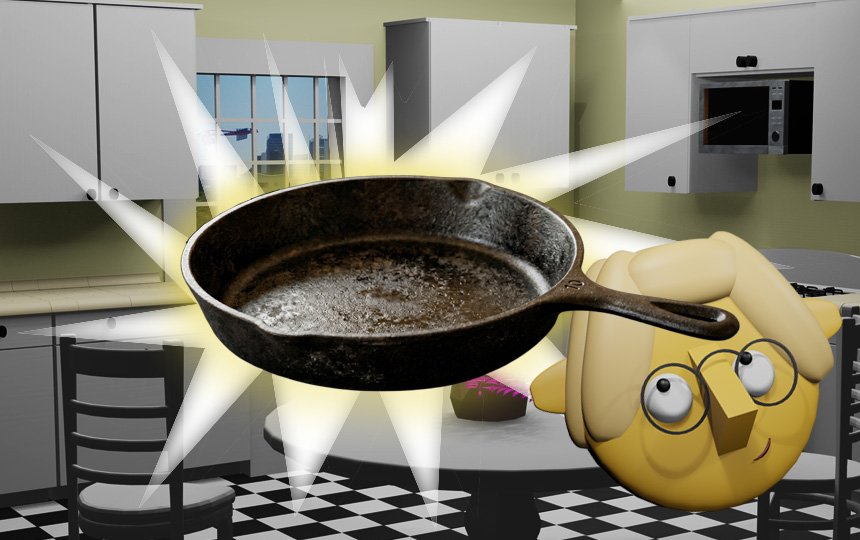
Cast iron is the one piece of cookware that gets a completely different set of care instructions from everything else in your kitchen. And people treat those instructions with a mixture of reverence and anxiety that is, frankly, a little more intense than the situation requires.
Yes, cast iron is different. Yes, it has specific needs. No, it is not fragile. It is, in fact, one of the most durable things you own, and it will survive a reasonable amount of imperfect cleaning without complaint.
Here’s what it actually needs, what it absolutely cannot tolerate, and how to handle the full range of cleaning situations you’ll encounter.
First: What “Seasoning” Actually Is
Cast iron’s surface — the dark, somewhat nonstick layer that develops over time — is called seasoning. It is not rust. It is not dirt. It is polymerized fat: layers of oil that have been heated past their smoke point and bonded chemically to the iron, forming a durable, low-stick coating.
This is why the cleaning rules for cast iron are different. Every cleaning instruction below exists to protect this layer.
The Standard Clean: After Most Uses
For everyday cooking (eggs, sautéed vegetables, most stovetop work):
- While the pan is still warm (not blazing hot, but warm — never plunge a hot cast iron into cold water), wipe it out with a folded paper towel or dish cloth. Get out the food debris.
- If needed, rinse with hot water. That’s it. Rinse, not soak. In and out.
- Return the pan to the stove over low heat for 1–2 minutes to fully evaporate any water. Water left on cast iron causes rust. This step takes seconds and prevents the only real threat.
- While still warm, apply a very thin layer of neutral oil (flaxseed oil, vegetable oil, canola — not olive oil, which has too low a smoke point for this) to the cooking surface with a paper towel. Wipe off any excess — you want a ghost of oil, not a coating.
- Store in a dry place.
That’s the whole routine. It takes about three minutes and becomes automatic quickly.
The Soap Question: Let’s Settle This
Old lye-based soaps were harsh enough to strip seasoning from cast iron with a single wash — hence the “never use soap” rule that has been passed down through generations like a kitchen commandment.
Modern dish soap (Dawn, Palmolive, etc.) is not lye soap. A small amount of mild dish soap, used occasionally, will not ruin your seasoning. If there’s something stuck or if you’ve cooked something strongly flavored that you’d rather rinse out, a brief wash with a drop of soap, rinsed thoroughly, followed by the dry-and-oil step, is perfectly fine.
What you cannot do: soak it in soapy water. Prolonged exposure breaks down seasoning and invites rust. Brief wash, yes. Soak, never.
For Stuck-On Food
Method One: Salt and a paper towel. Coarse kosher salt is a natural abrasive that won’t damage seasoning. Sprinkle a generous amount into the still-warm (or room temperature) pan and scrub with a folded paper towel. The salt grabs the stuck bits physically. Rinse, dry, oil.
Method Two: Hot water and a scraper. Add a little hot water to the warm pan on the stove, let it loosen the stuck material (30 seconds over low heat), and scrape with a flat wooden or silicone spatula or a chain mail scrubber. Rinse, dry, oil.
Method Three: Chain mail scrubber. Specifically designed for cast iron. Stainless steel rings that clean off stuck food without damaging seasoning. Works better than any other physical scrubber for cast iron. A genuine revelation if you cook with cast iron regularly.
What to Never Do
Dishwasher: The sustained heat, harsh detergent, and prolonged water exposure will strip your seasoning completely and invite rust. Cast iron and dishwashers are incompatible. Full stop.
Soaking in water: Even 30 minutes of soaking can start rust formation. Cast iron and standing water are enemies.
Abrasive steel wool (uncoated): Will remove seasoning and potentially scratch the cooking surface. Use chain mail or salt instead.
Storing wet: Always dry completely before storing. A minute over heat, then a wipe of oil.
What If It Rusts?
Cast iron that develops surface rust has not been destroyed. It has been temporarily neglected.
To restore it: scrub the rust off with steel wool (yes, in this case, steel wool is correct — you’re removing rust, not seasoning, because the seasoning is already gone), wash, dry completely on the stove, then re-season.
Re-seasoning: Apply a thin layer of neutral oil all over the pan — inside, outside, handle. Put it upside down in a 450–500°F oven for an hour (put foil on the rack below to catch any drips). Turn the oven off and let the pan cool inside. Repeat this process 2–3 times for a solid new layer of seasoning.
The Truth About Cast Iron Care
The people who treat cast iron like a family heirloom requiring elaborate rituals are not wrong — it can be a family heirloom, and it does reward care. But it’s also fundamentally a piece of iron, and iron is tough. If you forget the oil step sometimes, it’s fine. If you give it a brief soap wash once in a while, it’s fine. If it gets a small rust spot, you can fix it in an afternoon.
Respect the basic rules — no soaking, dry before storing, oil occasionally — and your cast iron will outlast every other piece of cookware you own.
🛒 Gear Worth Having
- Lodge 12-inch Cast Iron Skillet — The classic, affordable, pre-seasoned entry point. Used by professionals and home cooks alike.
- Ringer Cast Iron Cleaner Chain Mail Scrubber — The best tool for cleaning cast iron. Life-changing if you use cast iron regularly.
- Lodge Seasoning Spray — Convenient way to apply a thin post-wash oil coat. Takes two seconds.
- Crisbee Puck Cast Iron Seasoning — A beeswax and oil blend for seasoning and maintenance. An excellent product for the enthusiast.
- Cast Iron Scraper and Cleaner Set — A flat scraper specifically for cast iron, plus a cleaning brush. A thoughtful starter kit.
As an Amazon affiliate, I earn from each qualifying purchase. Thank you for supporting TumbleBump.
Recommended Reads
- What to Do When It’s Really Baked On
- Cleanup as You Go: The Secret to Not Hating Cooking
- How to Choose Skillets and Frying Pans
TumbleBump is part of the WhistleBump group – find the rest of the family at WhistleBump.com.
23012
©2026 John D Reinhart/TumbleBump.com – all rights reserved