
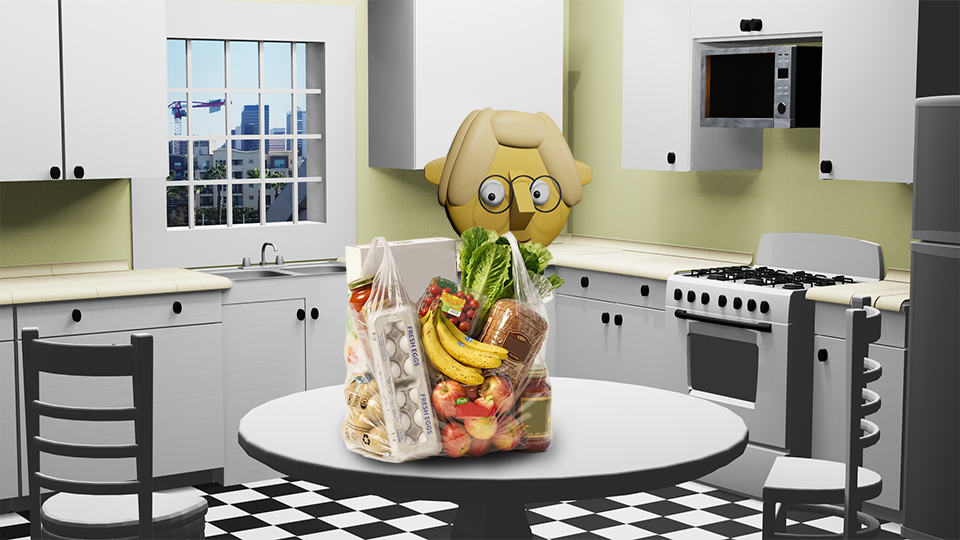
A hundred dollars is a meaningful amount of money. At the grocery store, it can buy an entire week of good, varied, genuinely satisfying food — or it can buy a scattered assortment of things that don’t quite add up to meals, plus a few impulse purchases you forgot by Friday.
The difference is almost entirely in the structure of the spend.
Here’s a breakdown of how to allocate $100 at the grocery store for one to two people, for one week, eating well.
The Allocation (Rough Percentages)
This is a framework, not a prescription. Adjust it to match your household size, dietary preferences, and local prices. But the proportions are a useful starting point.
| Category | Approximate Spend | Notes |
|---|---|---|
| Proteins | $25–30 | The biggest cost driver |
| Produce | $20–25 | Fresh and frozen combined |
| Grains & Pantry | $15–20 | Often already stocked |
| Dairy & Eggs | $10–12 | Eggs are the budget hero |
| Snacks & Extras | $10–15 | The category that expands |
The Proteins ($25–30): Spend Thoughtfully Here
Protein is the most expensive category and the one where buying strategically makes the biggest difference.
Budget-stretching protein strategy: – Eggs ($3–5 for 12 count): The best protein value in the store. One dozen eggs is 12 servings of protein for roughly 30–40 cents each. – Canned fish ($2–4 per can): Tuna, sardines, and salmon are cheap, nutritionally excellent, and shelf-stable. – Dried or canned beans and lentils ($1–3): An extraordinarily cheap protein and fiber source. A bag of dried lentils yields roughly 10 servings for $2. – Chicken thighs ($5–8 for a pack): Cheaper than breasts, more flavorful, more forgiving to cook. – Ground meat ($5–8): Versatile — pasta sauce, tacos, grain bowls, fried rice.
What to skip at the $100 level: Whole fish, premium steaks, and specialty proteins (wagyu, scallops, lamb chops) are treats for a different budget day.
The Produce ($20–25): Fresh and Frozen Both Count
Don’t feel obligated to buy only fresh. Frozen vegetables are picked at peak ripeness and flash-frozen — nutritionally they’re equivalent to fresh and often superior to “fresh” produce that traveled 2,000 miles in a refrigerated truck.
Fresh priorities ($10–15): – A couple of versatile vegetables (broccoli, bell peppers, zucchini) – Aromatics that make everything better: onions, garlic, ginger ($3–4 for all three) – One or two fruits (apples, bananas, citrus — the sturdy ones that last a week) – Something green for salads if you eat them
Frozen fillers ($5–10): – A bag of frozen vegetables (stir-fry mix, peas, edamame, broccoli) – These are your backup for nights when the fresh stuff is gone
Produce buying rule: Buy what you’ll actually use, not what you intend to use. The person you are on Sunday, buying produce, is more aspirational than the person you are on Wednesday, who is tired.
The Grains and Pantry ($15–20): Your Biggest Long-Game Investment
Here’s the thing about pantry staples: you don’t buy all of them every week. A bag of rice, a bag of pasta, canned tomatoes, olive oil — these last weeks or months. You’re building a pantry over time, not restocking it from scratch weekly.
At week one of building your pantry, this category costs more. By month two, you’re buying very little here because you already have it.
Core pantry items to have: – Dried pasta ($1–2 per lb) – Rice or another grain ($2–4 for a big bag) – Canned tomatoes ($1–2 per can; buy two) – Olive oil ($7–12 for a good bottle) – Canned beans — black, chickpeas, white beans ($1 per can) – Broth or bouillon ($3–4) – One or two pasta sauces ($4–6)
If these are already in your pantry, redirect this budget toward produce or proteins.
The Dairy and Eggs ($10–12): The Supporting Cast
Dairy makes food more satisfying, more nutritious, and more delicious. It also lasts reasonably well.
- Eggs (already counted in proteins, but worth double-mentioning for their versatility)
- Block of cheese ($4–6): Hard cheese like cheddar, parmesan, or a Mexican blend. Grate it yourself — pre-shredded costs more and has anti-caking agents that prevent proper melting.
- Butter ($3–5): Real butter. It lasts, it’s essential, it’s irreplaceable.
- Plain Greek yogurt ($4–5): Protein-rich, works as breakfast, a sauce base, and a sour cream substitute.
- Milk ($3–4): If you use it. If not, skip it.
The Snacks and Extras ($10–15): Where Budgets Quietly Dissolve
This is the category to watch. A bag of chips here, a fancy sparkling water there, a specialty sauce because it looked interesting — this category can silently consume $30 of a $100 budget if you’re not paying attention.
Smart snack spending: – Nuts and seeds ($4–6 for a bag): More nutrient-dense and filling than most packaged snacks, comparable in cost per serving. – Dried fruit ($2–3): Lasts forever in the pantry, useful as a snack and in cooking. – Dark chocolate ($2–3): If that’s your thing. One square after dinner is genuinely satisfying. – Crackers or bread ($2–4): For cheese and as a meal component.
The Week This Builds
From a well-executed $100 haul, a single person eats roughly: – 7 dinners – 7 lunches (often leftovers or simple assemblies) – 14 breakfasts – Snacks throughout
That’s 28+ meals from $100, or under $3.60 per meal. No delivery fee. No waiting. Eaten exactly when you’re hungry.
🛒 Gear Worth Having
- Budget Bytes Cookbook by Beth Moncel — The definitive cookbook for people who want to eat well on a real budget. Cost-per-serving noted on every recipe.
- OXO Good Grips Box Grater — For grating your own cheese. Pays for itself in a few shops.
- Anchor Hocking Glass Food Storage Set — For storing the batch-cooked items that make your $100 haul work all week.
- Lodge Cast Iron Skillet 10-inch — Because cooking your budget proteins well requires a good pan, and this one costs $25 and lasts forever.
As an Amazon affiliate, I earn from qualifying purchases. Thank you for supporting TumbleBump.
Recommended Reads
- Fresh vs Frozen Vegetables: The Nutrition Shock
- The Sunday Reset: How to Calendar Your Meals
- The Essential Five: Your Kitchen’s Stable of Staples
TumbleBump is part of the WhistleBump group – find the rest of the family at WhistleBump.com.
22009
©2026 John D Reinhart/TumbleBump.com – all rights reserved