
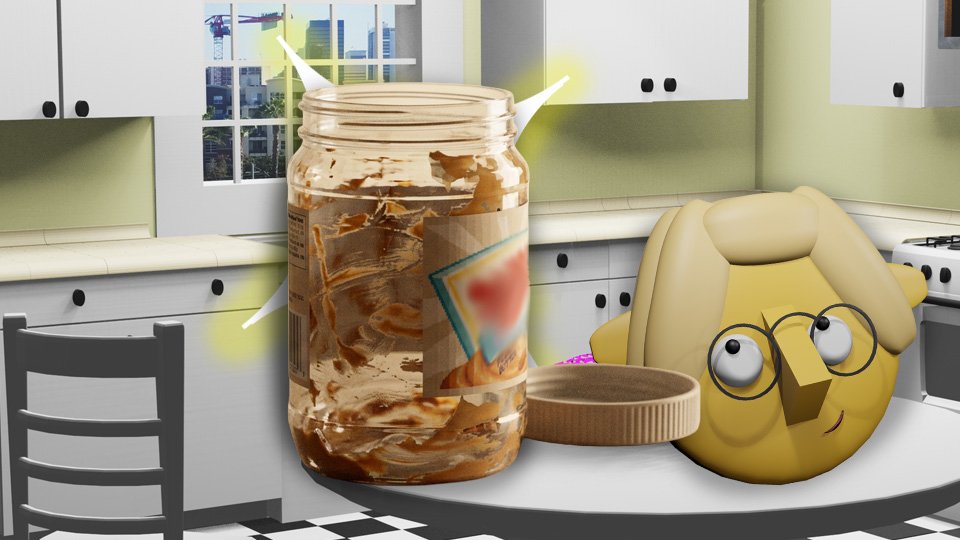
There is a moment in the life of most condiment jars when the contents are technically “gone” — scraped out to the best of the human hand’s ability — but the jar still holds a meaningful coating of flavor on every interior surface.
This coating is not a cleaning problem. It is a dressing problem, and it has an elegant solution.
Add an acid. Add an oil. Add a pinch of salt. Put the lid on. Shake vigorously for ten seconds. You now have a small-batch dressing made in a container that is already perfectly portioned, airtight, and requires zero bowls or measuring.
This is one of the most satisfying kitchen moments available to a person who cooks regularly. Here’s how to do it with every jar in your pantry.
The Mustard Jar Dressing
Dijon mustard is perhaps the greatest jar dressing base, because Dijon is already a vinaigrette ingredient — it’s an emulsifier that binds oil and vinegar together into a stable, creamy dressing.
What’s left in the jar: The thin coating of Dijon on every interior surface, worth roughly a teaspoon.
What to add: 1 tablespoon red wine vinegar or lemon juice. 3 tablespoons good olive oil. A pinch of salt and pepper. Optional: a small spoonful of honey, a clove of garlic if you want to let it sit.
Shake: Hard. For 15 seconds. The mustard emulsifies the oil and vinegar into a cohesive, slightly creamy vinaigrette.
Use: On a salad immediately, or refrigerate for up to a week.
The Tahini Jar Dressing
What’s left: The thick paste coating a tahini jar, worth a tablespoon or two.
What to add: 2 tablespoons lemon juice. 1 tablespoon water. 1 tablespoon olive oil. A pinch of salt. Optional: a tiny clove of garlic, a pinch of cumin.
Shake: The tahini will seize up when the lemon juice hits it, then relax and emulsify as you add more liquid and shake. This is normal.
Use: On grain bowls, roasted vegetables, falafel, or as a general drizzle on anything that sounds good with sesame.
The Jam or Honey Jar Dressing
What’s left: A sweet, fruity or floral coating worth a spoonful.
What to add: 1 tablespoon apple cider vinegar or white wine vinegar. 3 tablespoons olive oil. A pinch of salt. Optional: a small amount of Dijon if you have a separate open jar.
Shake: The residual sweetness balances the vinegar into a bright, lightly sweet vinaigrette. This is particularly good on bitter greens like arugula or radicchio, where the sweetness is a counterpoint.
The Hot Sauce Jar Dressing
What’s left: The coating of vinegar-forward hot sauce on the interior.
What to add: 1 tablespoon lime juice. 2 tablespoons olive oil or neutral oil. A pinch of salt. Optional: a small spoonful of honey for a honey-hot situation.
Shake: Produces a tangy, spicy vinaigrette that works well on taco salads, roasted vegetables, or anything that benefits from a kick.
The Pickle Brine Enhancement (A Related Move)
When the pickles are gone, don’t pour the brine down the drain. It’s acidic, salty, and deeply flavored — a ready-made vinaigrette acid component.
Add a few tablespoons of pickle brine directly to olive oil, shake, and you have a quick dressing. Or use the brine anywhere you’d use vinegar: deglazing a pan, in a marinade, in a potato salad dressing.
The Peanut Butter Jar Sauce
A jar of nearly-empty peanut butter becomes a quick peanut sauce for noodles or a dipping sauce for spring rolls.
What to add: 2 tablespoons soy sauce. 1 tablespoon lime juice. 1 tablespoon warm water. Optional: a few drops of sesame oil, a small piece of ginger, a squeeze of honey.
Shake: The peanut butter loosens with the liquid and emulsifies into a smooth, spreadable sauce.
The General Formula
Any jar with residual contents + acid (vinegar, citrus juice) + fat (olive oil, neutral oil) + salt = a dressing. The jar’s contents provide the flavor variable. The formula is constant.
Start with roughly a 3:1 ratio of oil to acid — 3 parts oil, 1 part acid — and adjust from there based on taste. Saltier jar contents (like pickle brine or soy sauce) need less additional salt. Sweeter contents (jam, honey) benefit from more acid.
🛒 Gear Worth Having
- Maille Dijon Mustard — The best jar for producing the best mustard jar dressing. The quality of the mustard coats the jar longer.
- Soom Pure Sesame Tahini — A widely praised tahini whose jar is worth milking to the last possible drop.
- Bragg Organic Apple Cider Vinegar — The go-to jar dressing acid. Keep it near the condiments.
- OXO Salad Dressing Shaker — For when you want to make a larger batch beyond what the jar contains.
- Tracklements Wholegrain Mustard — A different jar dressing experience: chunky, seedy, peppery. Excellent in vinaigrettes.
As an Amazon affiliate, I earn from qualified purchases. Thank you for supporting TumbleBump.
Related Reads
- The Essential Five: Your Kitchen’s Stable of Staples
- The Three-Act Staple: Why You’re Cooking for Future You
- Five Meal Ideas that are Faster than Fast Food
TumbleBump is part of the WhistleBump group – find the rest of the family at WhistleBump.com.
24007
©2026 John D Reinhart/TumbleBump.com – all rights reserved