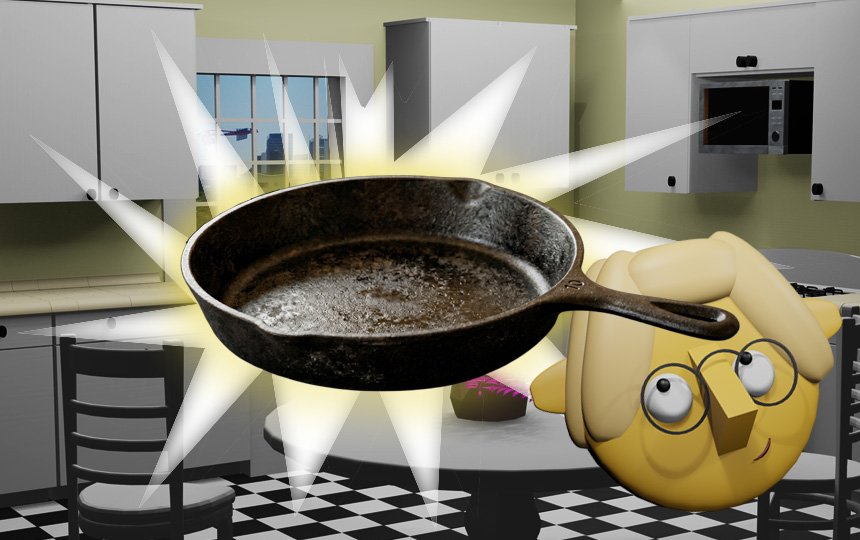
The skillet — also called a frying pan — is the most-used piece of cookware in most kitchens. Eggs go in it every morning. Chicken goes in it every week. Sauces get built in it, vegetables get sautéed in it, everything gets started in it.
Because it’s used so constantly, the skillet repays quality investment more than almost any other pan. Here’s how to choose wisely.
The Four Materials (and What Each One Is For)
Stainless Steel (Clad): The professional standard. Works at high heat, develops beautiful fond (the browned bits that become pan sauces), goes from stovetop to oven without complaint, and lasts indefinitely. Cleans easily with a little Barkeepers Friend.
The tradeoff: stainless sticks — to a degree that frustrates new users — when used at the wrong temperature or before the pan is fully preheated. Once you understand the heat protocol (preheat pan, add oil, heat until shimmering, add food, don’t move for 2–3 minutes), stainless becomes largely non-stick for most applications.
Best for: Searing proteins, developing fond for pan sauces, high-heat sautéing, anything going from stovetop to oven.
Cast Iron: High heat retention, grows more non-stick with seasoning, works at extreme temperatures, lasts generations. The best surface for achieving a genuine crust on proteins and for going from stovetop to broiler.
The tradeoff: heavy, requires seasoning maintenance, reactive with acidic foods over long periods, slower to heat than stainless.
Best for: Steaks, burgers, cornbread, frittatas, searing proteins at high heat, anything requiring sustained high heat or going under the broiler.
Carbon Steel: The professional kitchen’s preferred skillet. Lighter than cast iron with similar heat properties, seasons like cast iron, heats and cools faster than cast iron. The pan of choice in restaurant kitchens worldwide.
The tradeoff: requires seasoning like cast iron, reactive with acid, takes more initial effort to build seasoning.
Best for: The same tasks as cast iron, with better agility. The step up from cast iron for serious cooks.
Non-Stick: The most beginner-friendly surface. Food releases without sticking; cleanup is effortless. Essential for eggs, delicate fish, and crepes.
The tradeoff: can’t be used at high heat (damages the coating), can’t go under the broiler (most non-stick), doesn’t develop fond, and degrades over 3–5 years with proper care (faster with improper care).
Best for: Eggs, delicate fish, pancakes, crepes, and anything that needs a surface with zero sticking.
The Case for Owning Two
The ideal skillet situation for most home cooks is two pans:
- A stainless steel or cast iron skillet for high-heat cooking, searing, and stovetop-to-oven applications.
- A non-stick skillet for eggs and delicate applications.
These two pans together cover every skillet situation. Trying to do everything in one pan inevitably means either overusing non-stick at high heat (damaging it) or struggling with eggs in stainless (frustrating).
Size Guidance
10-inch: The sweet spot for 1–2 people. Large enough for most applications, easier to maneuver and store.
12-inch: For 2–4 people or anyone who regularly cooks larger quantities. The professional standard size. Slightly unwieldy but genuinely more useful.
8-inch: For single eggs, small omelettes, and heating single-serving sauces. A useful supplement but not a primary pan.
Get the 12-inch as your primary. Add an 8-inch non-stick if eggs for one is a daily occurrence.
Key Features to Check
Oven-safe temperature: At least 400°F for the primary skillet; 500°F+ for cast iron and carbon steel. Non-stick pans often have lower oven limits.
Handle comfort: Long enough to keep hands from heat; comfortable grip; riveted rather than welded construction for durability.
Weight: Heavy enough for heat retention, light enough to maneuver. Cast iron is heavy by nature; stainless and carbon steel are lighter.
Lid compatibility: Most skillets are sold without lids, but a universal lid (sold separately) is useful for stovetop braising and steaming.
🛒 Gear Worth Having
- All-Clad D3 Stainless 12-inch Skillet — The reference stainless skillet. Exceptional quality, lifetime warranty.
- Tramontina Tri-Ply Clad 12-inch Skillet — The rational alternative at half the price.
- Lodge 12-inch Cast Iron Skillet — The reliable, affordable cast iron standard.
- Matfer Bourgeat Carbon Steel Skillet 12.5-inch — The professional kitchen workhorse. Lighter than cast iron, superior performance.
- T-fal Professional Non-Stick 12-inch Skillet — The non-stick for eggs and delicate cooking. Heavy gauge, heats evenly, excellent non-stick surface.
As an Amazon affiliate, I earn from qualifying purchases. Thank you for supporting TumbleBump.
Related Reading
- Setting Up the Cook Space: The Basic Toolkit
- How to Choose Saucepots and Stew Pots
- The Essential Five: Your Kitchen’s Stable of Staples
TumbleBump is part of the WhistleBump group – find the rest of the family at WhistleBump.com.
25001
©2026 John D Reinhart/TumbleBump.com – all rights reserved