
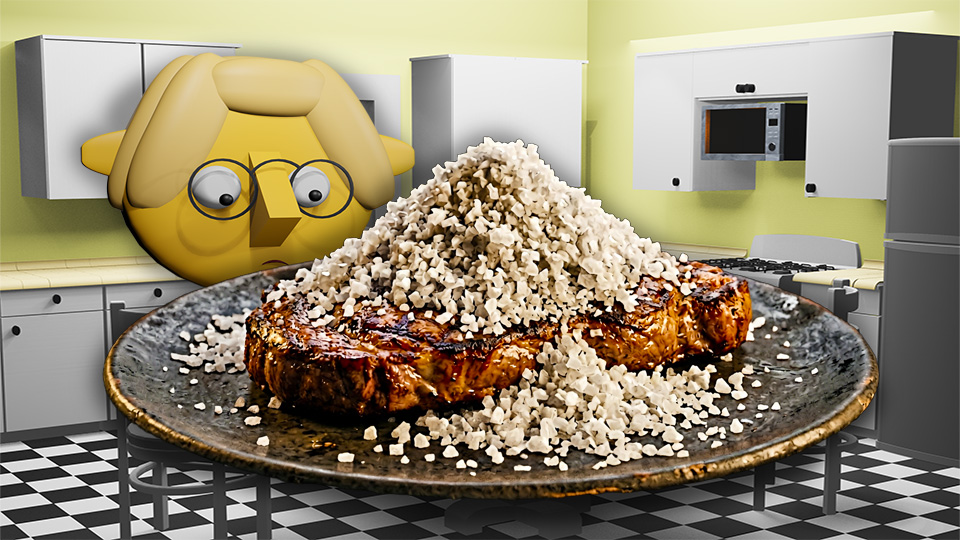
Oversalting is one of the most common cooking crises, and it’s surrounded by more folklore than almost any other kitchen problem. The advice is plentiful and ranges from genuinely useful to completely ineffective.
Let’s sort it out.
The Honest Assessment First
Before reaching for any fix, be clear about how severe the oversalting is.
Mildly too salty: Just a bit over — food that tastes more seasoned than intended but isn’t actively unpleasant. This is the easiest situation and has the most options.
Significantly oversalted: Noticeably too salty, the kind where the salt is the first and dominant flavor and the food tastes like the ocean. This requires more intervention.
Catastrophically oversalted: The kind where you genuinely cannot eat it without wincing. Some of these situations are beyond rescue and are more honestly handled by cutting losses and starting over or significantly redirecting the dish.
The Potato Method: Partially True
The potato myth says: drop a raw potato into an oversalted soup or stew, let it simmer, remove it, and it absorbs excess salt. This is partially true and partially myth.
What potatoes actually do: A potato added to a soup does absorb some salt — specifically, it absorbs the liquid it sits in, which happens to contain salt. It is not a selective salt sponge; it’s a porous starch that absorbs liquid with whatever’s dissolved in it, including salt, in proportion to what’s in the soup.
What this means practically: A potato will absorb some of the oversalted broth and reduce the total volume of oversalted liquid. But when you remove the potato, you’ve removed a volume of salty soup, which is almost the same as just ladling some of the soup out and discarding it. The concentration hasn’t changed much.
When it actually helps: If you then add liquid to compensate for what the potato absorbed — water, unsalted broth — the concentration is reduced. This works. But you could also just add unsalted liquid directly without the potato intermediate step.
What Actually Works
Dilution (the most reliable fix): Add more of the unsalted components. More water or unsalted broth to a soup. More tomatoes to a sauce. More cream. More vegetables. More beans or lentils. You’re spreading the same amount of salt across a larger volume, which reduces the concentration. This is the most reliable and consistent fix.
Add an acid: A squeeze of lemon juice, a splash of vinegar, a spoonful of yogurt. Acid doesn’t reduce the amount of salt in the dish, but it activates different taste receptors and shifts the overall flavor profile in a way that makes the saltiness feel less dominant. This is not a fix for severely oversalted food, but it’s a genuinely effective tool for mildly oversalted dishes where the balance just needs adjusting.
Add sweetness: A small amount of sugar, honey, or coconut milk provides a counterpoint to salt that reduces the perception of saltiness without changing the actual concentration. Again, a tool for mild oversalting, not a rescue for severe cases.
Add fat: Butter, cream, olive oil, or coconut milk add richness that softens the perception of saltiness and rounds out the flavor. A butter finish to an oversalted pan sauce can bring it back from the edge.
Add more of everything else (bulk up the dish): The most effective fix for stews, soups, and curries is to add more of everything — more vegetables, more protein, more unsalted liquid — transforming what would have been four portions into six, and simultaneously diluting the salt concentration.
By Dish Type
Soups and stews: Add unsalted broth, water, or dairy. Add a potato (which will absorb some liquid; replace with unsalted liquid when you remove it). Add more vegetables.
Pasta sauces: Add more tomatoes, cream, or pasta water. Serve over plain pasta with no added salt in the water.
Meats and fish: The salt is already in; if the exterior is over-seasoned, you can scrape or blot the surface. If cooked through, serve with something acidic (lemon, pickle) or creamy to balance.
Rice and grains: Not fixable after cooking; the salt is absorbed. Use them in a mixed dish where other unsalted components dilute the total saltiness.
Salad dressings: Add more oil, more citrus, more of the acidic component without additional salt.
Prevention: The Build-Slowly Approach
Season in stages throughout cooking, tasting after each addition. Most oversalting happens from a single large addition — a heavy hand with the salt shaker at the end, when the dish has already reduced and concentrated. Salt before and during, not only at the end, and you build control rather than relying on correction.
🛒 Gear Worth Having
- Diamond Crystal Kosher Salt — Coarser grain, easier to control precise additions. The chef’s choice for a reason.
- Pinch Bowl Set — Pre-measuring salt into a pinch bowl before adding to the dish gives you control and prevents the heavy-pour accident.
- Lemons, Limes, and Apple Cider Vinegar — The acid rescue toolkit. Keep them perpetually stocked.
- Pacific Brand Low-Sodium Chicken Broth — Unsalted broth for diluting without adding more salt. The dilution tool.
- Salt Fat Acid Heat by Samin Nosrat — The whole book is essentially a guide to how these four elements balance each other. The bible for understanding why the acid fix works.
As an Amazon affiliate, I earn from each qualifying purchase. Thank you for supporting TumbleBump.
Related Reads
- Garlic, Onions, and Other Things the Recipes Gloss Over
- Salt, Fat, and Flame: The Three Knobs of Flavor
- The “Is It Done?” Checklist
TumbleBump is part of the John D Reinhart content family. Writer, illustrator, videographer, and accidental filmmaker — find the whole story at JohnDReinhart.com.
Posted on TumbleBump | OOPS Category
26004
©2026 John D Reinhart/TumbleBump.com – all rights reserved

 tumblebump.com