
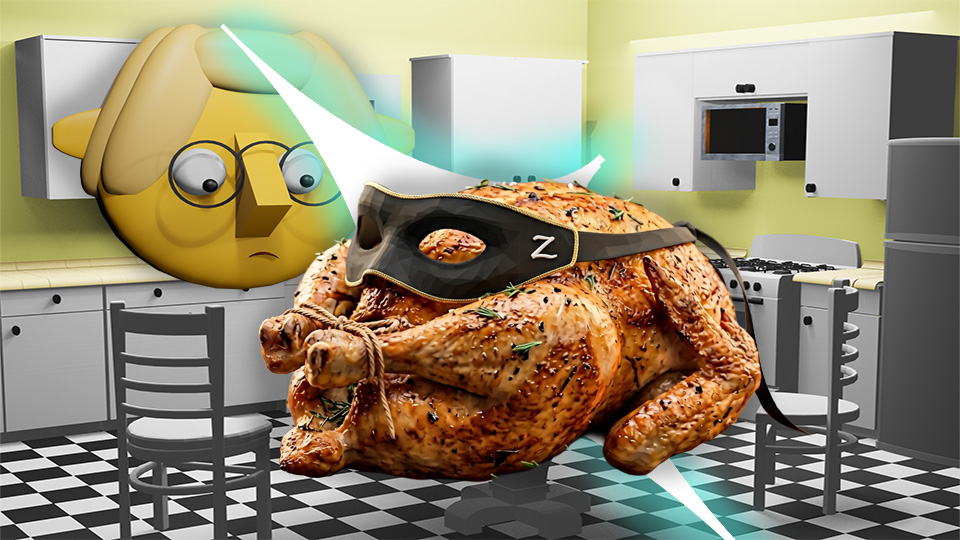
There is a concept in cooking that doesn’t have a common name but that experienced home cooks use constantly, usually without thinking about it. It goes like this: cook one protein in quantity, and give it completely different identities across multiple meals.
The same pound of ground beef becomes spaghetti Bolognese on Monday, tacos on Wednesday, and the filling for stuffed peppers on Friday. The same roasted chicken is dinner Sunday, lunch grain bowl Monday, and chicken soup Thursday. The same baked salmon is plated as a main Tuesday and flaked into a rice bowl Thursday.
This is the Rule of Threes. One protein, cooked once, becomes three different meals. The cooking effort is concentrated. The variety is maintained. The week makes sense.
Why This Works So Well
The biggest lie in cooking is that meal variety requires cooking from scratch every night. It doesn’t. It requires creative assembly of pre-cooked components — which is exactly what professional kitchens do.
A restaurant doesn’t make three different dishes starting from raw chicken three times a night. They break down chicken, cook it in quantity, and finish it differently for each dish that goes out. You can do the same at home, with less finesse and approximately the same result.
The protein is the most time-intensive part of most meals to cook. Cooking it once and using it three ways multiplies your output without multiplying your effort.
The Proteins That Transform Best
Some proteins are naturally more “transformable” than others. Here are the best ones for the Rule of Threes and some suggested identities for each.
Roasted Chicken Thighs (or a Whole Rotisserie Chicken)
Identity 1: Sliced as a main protein over roasted vegetables and grain Identity 2: Shredded into a grain bowl with tahini dressing, cucumber, and herbs Identity 3: Shredded into a quick chicken soup with whatever vegetables and broth are around, or stuffed into tacos with salsa and avocado
Why it works: Chicken thighs are forgiving and moist when reheated. The flavor is neutral enough to accept completely different seasoning profiles in different identities.
Ground Beef or Turkey
Identity 1: A simple pasta Bolognese or meat sauce Identity 2: Tacos or burrito bowls with taco seasoning, lime, cilantro Identity 3: Stuffed into bell peppers with rice and cheese, or formed into a quick burger
Why it works: Ground meat absorbs new flavors readily. Adding different spices, acids, and aromatics makes each identity genuinely taste different.
Salmon or Other Fish
Identity 1: Baked as a simple main with lemon and herbs Identity 2: Flaked into a rice bowl with soy sauce, sesame oil, cucumber, and avocado Identity 3: Mixed into a quick fish cake or patty, pan-fried and served with a simple salad
Why it works: Fish flakes naturally and integrates into other dishes effortlessly. Note: cook fish a little under if you plan to reheat it — it firms up on second heating.
Cooked Lentils or Beans
Identity 1: As a base for a warm grain bowl with roasted vegetables Identity 2: Mashed with garlic, lemon, and olive oil as a dip or spread on toast with a fried egg Identity 3: Added to a soup or stew as protein, or wrapped in a tortilla with cheese and salsa
Why it works: Legumes are cheap, nutritious, neutral in flavor, and extraordinarily flexible. They’re the best budget protein for the Rule of Threes.
Roasted Pork Shoulder (a Weekend Cook)
Identity 1: Served as pulled pork over rice or with a side Identity 2: In tacos with pickled onions and salsa verde Identity 3: Mixed into fried rice, or piled onto a simple flatbread with barbecue sauce and coleslaw
Why it works: Pork shoulder is one of the easiest proteins to cook in bulk (low oven, long time, minimal attention) and one of the most flexible.
The Seasoning Secret
The key to making three identities feel genuinely different is changing the flavor profile, not just the presentation.
Same chicken, three flavor profiles: – Italian: Olive oil, garlic, fresh herbs, lemon → pasta or simple plate – Asian: Soy sauce, sesame oil, ginger, scallion → grain bowl or fried rice – Mexican: Cumin, lime, cilantro, chili → tacos, burrito bowl
You’re not reheating and serving the same thing three times. You’re taking a neutral base protein and redirecting it with the sauces, spices, and aromatics of different cuisines.
Planning the Rule of Threes
When you sit down for your Sunday Reset, don’t just pick meals — pick your anchor proteins. Ask: What is my main protein this week, and what three meals will I make from it?
Then shop for the protein and all three identities in one trip. Cook the protein once (usually during Sunday prep, or early in the week when you have more time). Assemble the three meals across the week.
This is the system. It is boring to describe and quietly excellent in practice.
🛒 Gear Worth Having
- Instant Pot for Batch Protein Cooking — Pressure-cooks a whole chicken in under an hour. Or a batch of beans in 40 minutes.
- Nordic Ware Half Sheet Pan 2-Pack — For roasting proteins and vegetables simultaneously. Two pans = one cooking session = many meals.
- Rubbermaid Food Storage 10-Piece Set — For storing your three protein identities ready to go. Clear so you can see what’s in there.
- The Flavor Bible by Karen Page — For figuring out what flavors work with what proteins. The Rule of Threes demands creative flavor pivots — this book is the guide.
- Salt and Vinegar Seasoning Set — A solid variety of spices and rubs makes transforming the same protein three ways easy and genuinely fun.
As an Amazon affiliate, I earn from each qualifying purchase. Thank you for supporting TumbleBump.
Related Reads
- The Sunday Reset: How to Calendar Your Meals Without Losing Your Mind
- The Anatomy of a $100 Grocery Haul
- The Three-Act Staple: Why You’re Cooking for Future You
Posted on TumbleBump | PLANS Category
TumbleBump is part of the John D. Reinhart content family. Writer, illustrator, videographer, and accidental filmmaker — find the whole story at JohnDReinhart.com.
22007
©2026 John D Reinhart/TumbleBump.com – all rights reserved

 tumblebump.com