
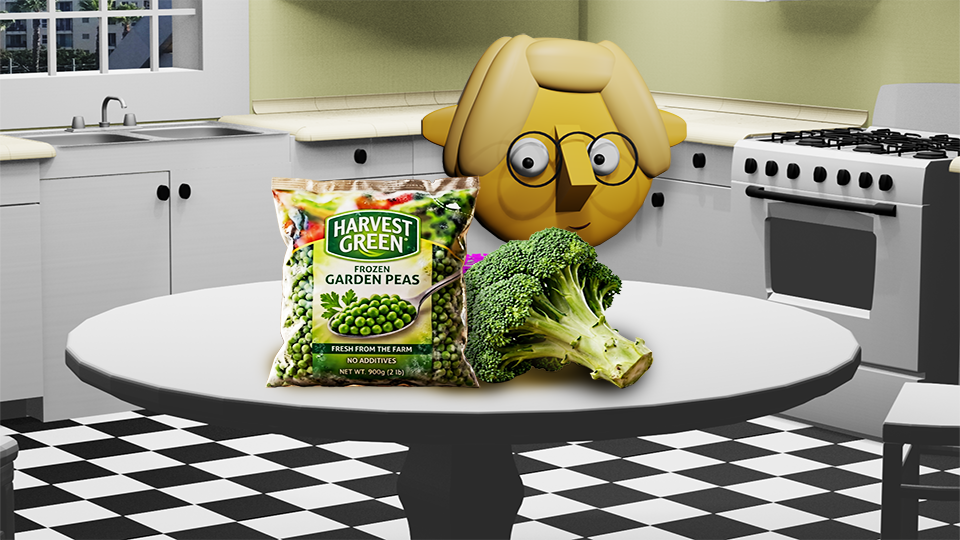
The hierarchy is assumed: fresh vegetables are better, frozen are the compromise you make when fresh isn’t available or affordable. This hierarchy is wrong — or more precisely, it’s situationally wrong in a way that matters for how you shop, eat, and think about nutrition.
Here’s the actual science.
How Fresh Vegetables Lose Nutrition
The moment a vegetable is harvested, its nutritional content begins to decline. Enzymes start breaking down vitamins and other compounds. Exposure to light, heat, and oxygen accelerates the degradation. This is not a flaw in the food — it’s normal biological chemistry.
By the time a “fresh” vegetable reaches your plate, it has typically been:
- Harvested (often picked before peak ripeness to survive transit)
- Transported anywhere from 100 to 2,000+ miles
- Stored in distribution centers, sometimes for days to weeks
- Displayed in grocery store produce sections, sometimes for additional days
- Stored in your refrigerator for however many days before you use it
A study from the University of California, Davis found that some fresh vegetables lose 15–55% of their vitamin C content within a week of harvest. Spinach stored at room temperature loses 90% of its folate in 24 hours. Green beans lose 45% of their vitamin C in three days of refrigerator storage.
The “fresh” broccoli you bought on Monday and ate on Thursday has less nutritional value than it did when it was harvested — potentially substantially less.
How Frozen Vegetables Retain Nutrition
Frozen vegetables are almost always harvested at peak ripeness — the moment of maximum nutritional density — then blanched briefly (a few seconds in hot water or steam to deactivate enzymes) and frozen within hours of harvest.
The blanching step does cause some loss of water-soluble vitamins (primarily vitamin C and some B vitamins). But then the freezing essentially stops time. A frozen vegetable held at 0°F loses very little additional nutritional value over the months it sits in your freezer.
Multiple peer-reviewed studies have found that frozen vegetables are nutritionally comparable to, and in many cases superior to, “fresh” vegetables that have been stored for any meaningful length of time. A 2017 study in the Journal of the Science of Food and Agriculture found that frozen produce often had higher levels of certain nutrients (vitamin C, beta-carotene, and folate) than fresh produce stored for three to five days.
The Honest Comparison
Truly fresh vegetables (farmers market, CSA, home garden, same day): At peak nutrition, best flavor, no compromise. This is the gold standard, and if you have consistent access to it, use it.
Frozen vegetables: Frozen at peak ripeness. Nutritionally very strong. Often superior to supermarket “fresh” that has traveled far and sat long. Budget-friendly, waste-free (use exactly what you need, return the rest to the freezer), and available year-round regardless of season.
Supermarket “fresh” vegetables (shipped, stored, displayed): Nutritionally variable depending on specific vegetable, storage time, and transit distance. Still nutritious and worth eating — but the assumption that they’re automatically more nutritious than frozen is not supported by evidence.
What Frozen Does Worse
Texture after cooking: Freezing ruptures cell walls (the water inside expands). Thawed vegetables are softer than their fresh equivalents. This matters a great deal for some applications (salads, crudités, stir-fries where you want a crisp bite) and not at all for others (soups, purées, casseroles, cooked sides).
Raw eating applications: You cannot use frozen vegetables in applications that require them raw. A frozen cucumber does not become a salad cucumber.
Some specific vegetables: Delicate lettuces, fresh herbs, and high-moisture vegetables like cucumber and zucchini do not freeze well at all. These are always better fresh.
The Smart Hybrid Approach
Buy fresh for: salads and raw applications, dishes where texture is critical, items with short transit (local produce in season), and things you’ll use within a day or two.
Buy frozen for: cooking applications (stir-fries where texture isn’t the priority, soups, sautés, roasting), vegetables out of season, bulk nutrition filling for grain bowls and pasta dishes, and emergency cooking when fresh ran out.
Both have a place. Neither is categorically better. The “fresh is always better” assumption costs money, produces food waste, and is not what the nutrition research supports.
🛒 Gear Worth Having
- Bird’s Eye Steamfresh Mixed Vegetables — The steam-in-bag frozen vegetable that makes a vegetable side dish entirely hands-off.
- Cascadian Farm Organic Peas and Edamame — Organic frozen vegetables at a reasonable price. The edamame is one of the most nutritious frozen items available.
- OXO Good Grips Produce Keeper Set — For extending the life of fresh vegetables when you do buy them. Makes the fresh purchase competitive with frozen on waste grounds.
- Ziploc Gallon Freezer Bags — For buying fresh vegetables in bulk and freezing at peak ripeness yourself. The DIY frozen approach.
- Nordic Ware Microwave Vegetable Steamer — For cooking frozen vegetables in the microwave without loss of nutrients to cooking water. Fast, easy, and nutritionally sound.
As an Amazon affiliate, I earn from qualifying purchases. Thank you for supporting TumbleBump.
Recommended Reads
- Setting Up the Cook Space: The Basic Toolkit
- Five Meal Ideas That Are Faster Than Fast Food
- Cooking Vegetables Everyone Will Eat
TumbleBump is part of the WhistleBump group – find the rest of the family at WhistleBump.com.
27003
©2026 John D Reinhart/TumbleBump.com – all rights reserved