Let’s get one thing straight: there is nothing wrong with you.
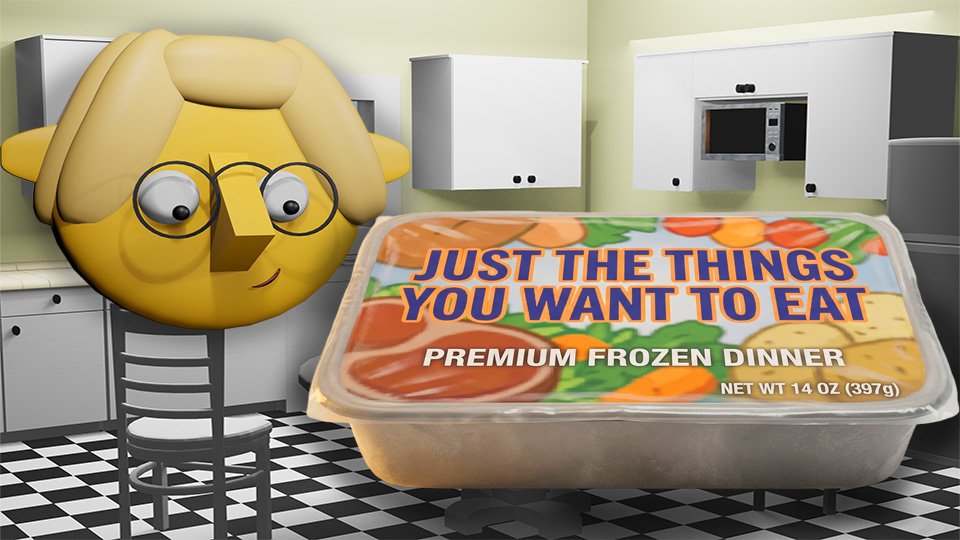
You’ve been eating the same seven things for a decade. You know what you like. You’ve optimized your lunch situation to the point of near-scientific precision. A bean and cheese burrito is a complete food group. So is tuna salad. The drive-through exists for a reason and that reason is efficiency.
The rest of the world, meanwhile, is over there gasping about “umami” and arguing about whether the risotto was “reduced enough.” You have watched this from a comfortable distance and felt exactly nothing.
Here’s the thing though. The foodies aren’t wrong. They’re just addicted. And the good news is, the addiction is extremely low-risk and the side effects are mostly “better dinners.”
This is not a post about shaming your current food life. It’s a post about what happens when you let a little curiosity sneak through the door. Because once it does, your taste buds start doing things you didn’t sign up for. In the best way.
🤔 Why Some People Just Don’t Care About Food
First: completely valid. Food-as-fuel is a legitimate life philosophy. Plenty of brilliant, functional, well-adjusted humans have eaten the same three meals on rotation since college and never once felt the loss.
But here’s what the science actually says: a lot of “I don’t care about food” is less about preference and more about exposure. You never learned to taste the difference between a good tomato and a bad one. Nobody showed you. Why would they? Tomatoes come in a can. They’re red. Moving on.
Your palate, it turns out, is trainable. Like a dog. A dog who currently only knows “sit” but is quietly capable of learning “roll over” and “fetch the aged Manchego.”
😄 The Accidental Foodie Pipeline
Almost nobody wakes up one morning and decides to become a foodie. It happens in stages, like a slow-motion ambush.
- Stage 1 — The Trigger: Someone makes you something homemade. It tastes nothing like the version you’ve been eating from a box. You say nothing, but you notice.
- Stage 2 — The Curiosity: You Google “why does homemade [thing] taste better.” You fall into a rabbit hole about fresh ingredients, technique, and something called the Maillard reaction. You close the tab. But it stays with you.
- Stage 3 — The Experiment: You try one thing. Just one. Maybe you buy actual garlic instead of the powder. Maybe you add lemon to something that never had lemon before. The result is unreasonably good.
- Stage 4 — The Slide: You are now texting people about garlic. You are a foodie. Welcome.
The pipeline is fast. It catches a lot of people who thought they were immune.
🍳 Where to Actually Start (Low Commitment, High Payoff)
You don’t have to love cooking to start appreciating food. Those are two different things. Here’s where to poke at the edges without overhauling your entire personality:
- Eat one thing slowly. Not forever. Just once. Pick something you eat regularly and actually pay attention to it. What’s in there? What’s hitting first? What’s showing up at the end? This is not meditation. It’s just tasting.
- Upgrade one ingredient. You’re still making the same thing. Just use better olive oil. Or real Parmesan instead of the green can. One swap. See if you notice.
- Try one thing you think you hate. Texture complaints are real (mushrooms, we see you). But sometimes a bad preparation is the culprit, not the food itself. Roasted versus raw is a completely different universe.
- Watch someone who loves food cook. You don’t have to take notes. Just watch. YouTube is full of people who are genuinely delighted by what’s happening in the pan. Some of it is contagious.
None of this requires equipment you don’t have. None of it requires opinions about wine. You’re just taking a tiny tourist trip into someone else’s obsession.
🛒 A Few Things That Help the Transition
If you’re feeling even a little curious, these are worth having. None of them require a culinary degree.
- A good chef’s knife — The single biggest upgrade in any kitchen. A sharp knife makes prep faster, easier, and weirdly more fun. (Yes, fun. We’re surprised too.)
- A cast iron skillet — This is where the Maillard reaction lives. Brown things in this pan. Brown things taste better. Science.
- A decent salt cellar with kosher or flaky salt — Not table salt. The difference is real. This is not snobbery. This is chemistry.
- An instant-read thermometer — Takes the guesswork out of meat. If you’ve ever served dry chicken, this is why. Ten seconds, no more dry chicken.
As an Amazon affiliate, I earn from qualified purchases. Thank you for supporting TumbleBump.
✨ The Real Secret
Foodies aren’t people who were born caring about food. They’re people who accidentally tasted something that made them ask “why does that taste like that?” and then went looking for the answer.
That’s it. That’s the whole origin story. One good bite. One curious question.
You’ve almost certainly already had that bite. You just didn’t follow the thread.
You don’t have to become a person who talks about food at parties. You just have to be willing to notice, once in a while, that something tastes really good. The rest has a way of following on its own.
📚 Related Reads
- How to Step Away from Fast Food and Instantly Make Your Life Better
- Five Meals That Are Faster Than the Drive-Through
- Avoiding the Coffee Shop: What It Saves You (And What It Doesn’t)
TumbleBump is part of the WhistleBump group – find the rest of the family at WhistleBump.com.
21018
©2026 John D Reinhart/TumbleBump.com – all rights reserved