
There is a specific window in the life of most fruits during which they are perfect: firm enough to hold their shape, sweet enough to be satisfying, with the right balance of flavor. This window is, depending on the fruit, approximately 36 to 72 hours long. Then it closes.
What’s on the other side of that window is not garbage. It’s a different ingredient.
Soft fruit has more concentrated sugar, more intense flavor, and less structural integrity. These are not failures. These are features — for different applications. The trick is knowing which application applies to which fruit, and acting before the fruit crosses the line from “past peak” to “actually finished.”
The Smoothie Destination
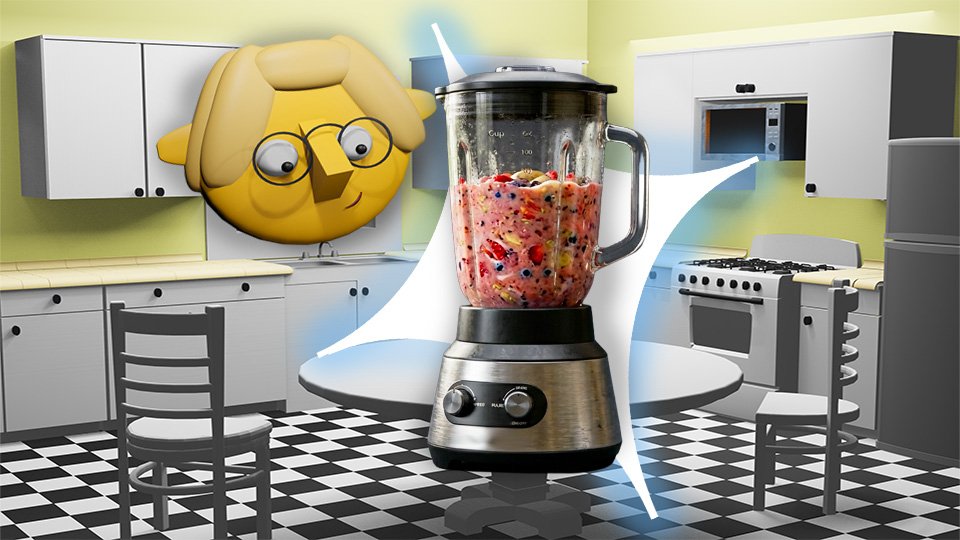
The fastest, easiest save for soft fruit of almost any type: freeze it and make smoothies.
The process: Cut away any truly bad spots (mold, major bruising that’s gone dark and funky). Peel if necessary. Slice into chunks. Freeze on a sheet pan for an hour, then transfer to a bag or container. Label it “smoothie fruit.”
Frozen soft fruit is actually better for smoothies than fresh fruit — it chills the smoothie without watering it down with ice, and the texture difference (soft vs. firm) is completely irrelevant once blended.
What works for smoothies: Bananas (peel before freezing), mangoes, peaches, nectarines, plums, strawberries, blueberries, raspberries, blackberries, cherries (pit them), melon (cut from the rind), kiwi (peel), pineapple, papaya.
What doesn’t work well: Citrus (too much membrane and pith for pleasant blending), grapes (fine but require pitting and can be seedy), watermelon (mostly water, produces a thin result).
The Baking Destination
Soft fruit is, in many cases, superior for baking to fresh fruit. The concentrated sweetness and softened texture integrate better into batters and fillings.
Overripe bananas: The blacker, the better for banana bread. Black bananas have more sugar and more banana flavor than yellow ones. This is the correct destination for every banana that’s gone too far.
Soft peaches and nectarines: Perfect for cobblers, crisps, and muffins. The soft texture means they don’t need to be pre-cooked for most applications.
Overripe berries: Fold into muffins, quick breads, or pancake batter. The cell structure has already broken down, which means they distribute more evenly through the batter.
Soft pears: Excellent in cakes and crumbles. Pear and ginger. Pear and almond. Pear and blue cheese (in a savory tart). All excellent.
The Jam and Compote Destination
You don’t need a canning operation to turn soft fruit into something preserved and spreadable. A quick compote takes 15 minutes and lasts a week in the refrigerator.
Quick compote method: Put soft fruit (roughly chopped, pits and cores removed) in a small saucepan with a tablespoon of sugar and a squeeze of lemon juice. Cook over medium heat, stirring occasionally, until the fruit breaks down into a chunky sauce — about 10–15 minutes. That’s it.
Use it on yogurt, oatmeal, toast, pancakes, or ice cream. Store in the fridge for up to a week.
The Savory Destination
Soft fruit, particularly stone fruits and berries, can be used in savory applications where their intense sweetness and acidity are assets.
- Soft peaches or nectarines: Pan sauce for pork chops or chicken. Chutney with onion, ginger, and vinegar.
- Overripe tomatoes: The best tomatoes for sauce are slightly soft ones. They have more concentrated flavor and less water content than peak-firm tomatoes.
- Soft citrus: Zest before the fruit goes too far, freeze the zest. The juice of a slightly past-prime orange or lemon is still excellent for cooking.
The Line You Cannot Cross
Soft is a stage. Moldy, fermenting, or foul-smelling is a different stage entirely. If the fruit has visible mold spreading across its surface, smells alcoholic or off, or has turned to liquid in spots, it has crossed the line. Some molds on produce produce mycotoxins that can penetrate beneath the visible surface, so “cut away the moldy bit” is less reliable than it is for, say, hard cheese.
When in doubt on mold: if it’s soft fruit, toss it. The rule of thumb is that mold in soft/wet items (berries, peaches, tomatoes) means the whole thing; mold in hard/dry items (hard cheese, firm carrots) can sometimes be cut away with a generous margin.
🛒 Gear Worth Having
- Vitamix Blender — The smoothie machine that handles fully frozen fruit without complaint. The investment that makes the smoothie destination genuinely fast.
- NutriBullet Personal Blender — The accessible-price smoothie option. Handles frozen fruit with good results.
- Ziploc Freezer Bags 1-Gallon — For the smoothie fruit collection. Labeled, stacked flat, always ready.
- Nordic Ware Baking Sheet for Freezing — For the sheet-pan freeze step before bagging. Prevents fruit from clumping.
- Ball Mason Jars Wide Mouth Pint — The compote storage solution. Glass, airtight, refrigerator-safe, and cheerful.
As an Amazon affiliate, I earn from each qualifying purchase. Thank you for supporting TumbleBump.
Related Reads
- Your Nose is Not a Food Safety Inspector
- Fresh vs. Frozen Vegetables: The Nutrition Shock
- The Anatomy of a $100 Grocery Haul
TumbleBump is part of the WhistleBump group – find the rest of the family at WhistleBump.com.
24011
©2026 John D Reinhart/TumbleBump.com – all rights reserved