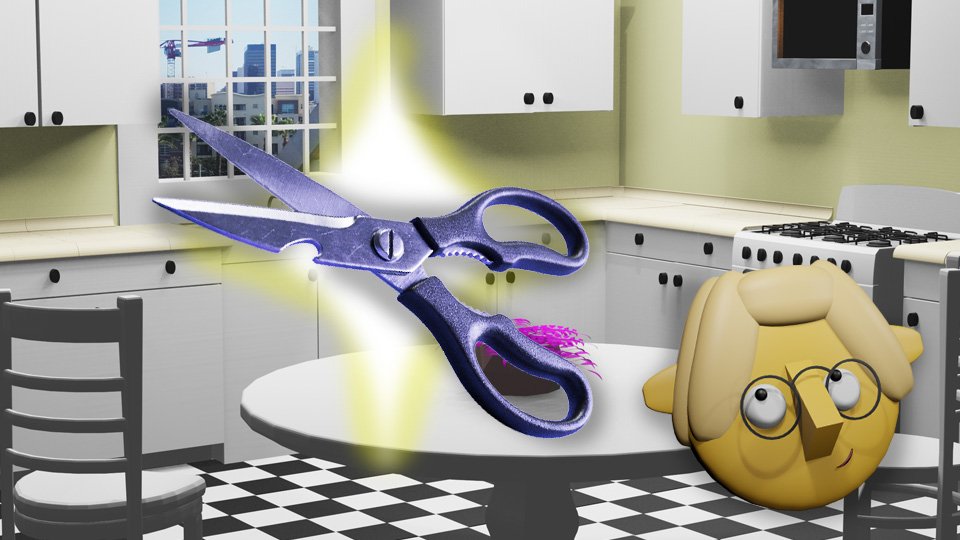
Kitchen shears live in a drawer in most homes and come out primarily for opening packages. This is a waste of a very good tool.
Professional cooks reach for kitchen shears constantly — for tasks where scissors do the job faster, more safely, or more precisely than a knife. Once you start using kitchen shears the way cooks use them, you’ll wonder what took you so long and reach for them reflexively for the rest of your cooking life.
What Kitchen Shears Actually Do (That Knives Don’t)
Breaking down a chicken: Spatchcocking (butterflying) a whole chicken requires cutting through the backbone. Kitchen shears do this in under a minute. A knife requires a confident cleaver and some force. For most home cooks, shears are safer, faster, and produce better results. There are approximately a zillion YouTube videos on how to do it.
Cutting fresh herbs directly into a dish: Hold the herb bunch over the pot, bowl, or plate, and snip. Chiffonading basil with a knife on a cutting board takes a minute and a second dirty surface. Shears take 10 seconds and leave only the shears.
(FYI -chiffonade is a knife technique where you stack leafy greens or herbs, roll them tightly into a cylinder, then slice across the roll into thin ribbons. You end up with those pretty, delicate shreds you see on salads or as garnishes. Basil is the classic example — it’s probably the most common herb prepared that way.)
Cutting pizza: Pizza shears (or just kitchen shears) cut through pizza in a controlled way that doesn’t drag toppings the way a rocking pizza cutter can.
Trimming fat and connective tissue: Precision trimming of raw proteins without the awkward angles that knives require on curved or irregular surfaces.
Cutting dried fruit and sticky ingredients: Scissors coated with a little cooking spray glide through dates, figs, dried apricots, and gummy candies without the sticking and pulling that plagues knives.
Cutting green onions, canned tomatoes, canned whole tomatoes: Straight into the pot or bowl. No cutting board, no knife, immediate.
Opening packages: The one thing everyone already uses them for, and they’re genuinely better at it than knives.
Cutting bread without a bread knife: Coarse cuts of bread, rolls, biscuits, naan — shears work cleanly and quickly.
Children’s food: Cutting pasta, noodles, meat, and vegetables into manageable pieces for small children — shears are faster and safer than a knife at the dinner table.
What Makes a Good Pair
Separable blades: The key feature for cleaning. Kitchen shears that come apart at the pivot point can be washed individually — no crevices for food to hide in. If the shears can’t be separated, they can’t be properly cleaned, which is a meaningful hygiene concern given the raw proteins they often touch.
Micro-serration on one blade: A fine serration on one blade prevents food from slipping during cutting. Most quality shears have this.
Heavy-gauge steel blades: Thin blades flex and don’t cut cleanly. Forged or heavy-gauge stamped blades hold their edge longer and cut with authority.
Spring action: Quality shears spring open after each cut, reducing hand fatigue during extended use.
Comfortable handles: Large enough for large hands, with some grip material. All-metal handles are slippery when wet. Some rubber or textured grip is worth having.
The bottle opener and other features: Many kitchen shears include a bottle cap opener, a nut cracker, and sometimes a bone notch in the blade for cracking. These are useful additions, not gimmicks, in good shears.
Care and Maintenance
Wash after every use involving raw protein. Separate the blades, wash both pieces with hot soapy water, dry immediately. Like knives, kitchen shears don’t go in the dishwasher — the heat and moisture degrade the steel and the handles.
Occasionally sharpen. Kitchen shears dull over time like any blade. A sharpening stone, a dedicated scissor sharpener, or a professional sharpening service restores them. Alternatively: running each blade through a quality knife honing steel at an angle works for light maintenance.
Store dry. Moisture leads to rust at the pivot. Dry thoroughly before storage and consider a light coat of food-safe oil on the pivot point occasionally.
🛒 Gear Worth Having
- Wüsthof Come-Apart Kitchen Shears — The professional standard. Separable, heavy-gauge, lifetime warranty. The shears worth buying once.
- Henckels Kitchen Shears Come-Apart — A slightly more accessible price point from a name synonymous with quality German cutlery.
- OXO Good Grips Kitchen and Herb Scissors — A solid, comfortable all-purpose option. Come apart for cleaning.
- Herb Scissors with 5 Blades — Multiple blades for herbs — cuts an entire bunch into fine pieces in seconds. A novelty that’s genuinely useful.
- KitchenAid All-Purpose Kitchen Shears — A reliable, budget-conscious option with come-apart blades and a comfortable grip.
As an Amazon affiliate, I earn from qualified purchases. Thank you for supporting TumbleBump.
Related Reads
- Setting Up the Cook Space: The Basic Toolkit
- Knife Safety for the Nervous
- How to Choose the Right Scissors
TumbleBump is part of the WhistleBump group – find the rest of the family at WhistleBump.com.
25015
©2026 John D Reinhart/TumbleBump.com – all rights reserved