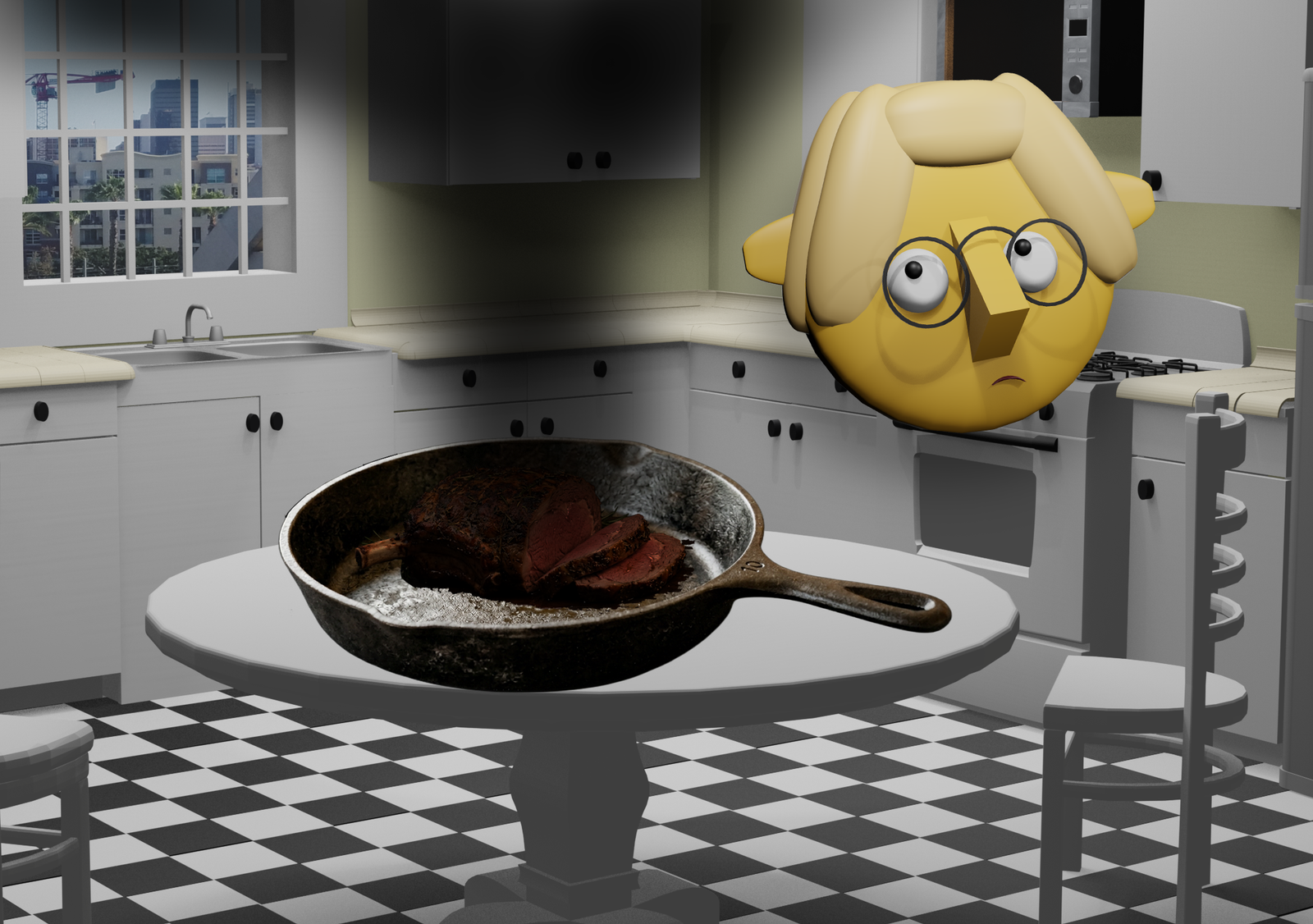
Every cook who has ever been distracted by a phone call, an interesting podcast moment, or just a momentary lapse in kitchen attention has produced something darker than intended. The question that follows — is this ruined, or is this just very well-charred? — is one of cooking’s more nuanced judgments.
Here’s the framework for making it.
The Difference Between Charred and Burnt
Charred (good): The Maillard reaction has done its work, flavors have concentrated and caramelized, and the surface has developed a dark crust with complex, slightly bitter, deeply savory notes. Think about it: the dark edges of a roasted vegetable, the blackened crust on a seared steak, the browned bottom of a well-made frittata, the dark bits on a grilled pepper. This is flavor.
Burnt (bad): The food has gone past the Maillard reaction into carbonization — carbon compounds that taste acrid, bitter, and deeply unpleasant. The flavor is no longer complex; it’s just bitter. This is not a flavor profile. This is a mistake.
The sensory test: smell it. Charred food smells like roasted, complex, caramelized depth. Burnt food smells like an ashtray. Your nose is reliable here in a way it isn’t always with food safety questions.
The Scraping Assessment
When something is darker than intended, the first move is the scraping assessment — figuring out whether the damage is surface-level or has penetrated into the food.
Surface-only charring (salvageable): The dark layer is a crust on the exterior of the food, but the interior is cooked correctly. This is the most common situation and almost always recoverable. The fix is physical: scrape or cut away the offending layer.
How to scrape effectively: – For bread and baked goods: use a serrated knife or box grater held over the sink. The charred crust grates off easily and the interior is untouched. – For the bottom of a pan of roasted vegetables: use a spatula to flip and assess. If only the bottom is dark, serve them dark-side-down or toss to redistribute. – For a piece of meat: a paring knife can shave off the charred exterior. – For fish: the charred skin usually peels away cleanly. – For the bottom of a pan sauce or soup: see the burnt pan sauce section below.
Penetrated bitterness (harder to salvage): If the food tastes uniformly bitter throughout — not just on the charred surface but all the way into the interior — the burnt flavor has migrated through the whole piece. This is more common with thin foods (burnt garlic, burnt onion, thin fish fillets) and with foods that were charred long enough for the bitter compounds to diffuse.
The Special Case: Burnt Garlic
Burnt garlic is its own category and deserves its own warning. Garlic burns quickly (within seconds in a too-hot pan), and burnt garlic is acrid and deeply pervasive. Unlike meat or vegetables where the char is surface-level, burnt garlic infuses its bitterness into whatever oil or liquid surrounds it.
The rule with burnt garlic: start over. Remove everything from the pan, wipe it clean, and begin again. The two minutes you lose is better than an entire dish that tastes of burnt garlic. This is the one burnt situation where scraping almost never works.
The Burnt Pan Sauce or Soup
If the bottom of a pot of soup or sauce has burnt, move quickly:
- Stop stirring immediately. Stirring incorporates the burnt bottom into the rest of the dish.
- Pour the liquid — without scraping — into a fresh pot. Tip carefully, leaving the burnt bottom layer behind.
- Taste the transferred liquid. If the bitter flavor has migrated significantly, there’s limited recourse. If it’s mild, adding a potato (which absorbs off-flavors as it simmers) or a piece of bread can help.
- Do not go back for “a little more.” The remaining amount in the old pot is not worth the flavor risk.
When to Accept Defeat
Some situations are genuinely unrecoverable:
- Burnt garlic or onion that has flavored the entire base of a dish
- Bread or baked goods that are burnt all the way through (not just the crust)
- Fish or thin proteins that are uniformly bitter
- Anything that smells like an ashtray when you taste it
The rule: if the dominant flavor is bitterness, not charred complexity, the dish isn’t salvageable by scraping. Cut your losses. Order delivery, make eggs, or start again. A meal that takes 30 additional minutes is better than one that tastes like regret.
🛒 Gear Worth Having
- OXO Good Grips Bench Scraper — For scraping charred exteriors off baked goods and roasted things efficiently.
- Nordic Ware Box Grater — For grating the charred crust off bread and rolls. Faster and cleaner than a knife for this application.
- Flexible Silicone Turner Spatula — For flipping and assessing the underside of roasted foods without breaking them.
- Barkeepers Friend Powder Cleanser — For cleaning the pan after a charring incident without scratching. The aftermath tool.
- Lodge Seasoning Spray — Re-seasoning cast iron after any high-heat incident. Because taking care of the pan is what comes after taking care of dinner.
As an Amazon affiliate, I earn from qualifying purchases. Thank you for supporting TumbleBump.
Related Reads
- The “Is It Done?” Checklist
- The Maillard Reaction: Why Browned Food Tastes Better
- What to Do When It’s Really Baked On
TumbleBump is part of the WhistleBump group – find the rest of the family at WhistleBump.com.
26007
©2026 John D Reinhart/TumbleBump.com – all rights reserved