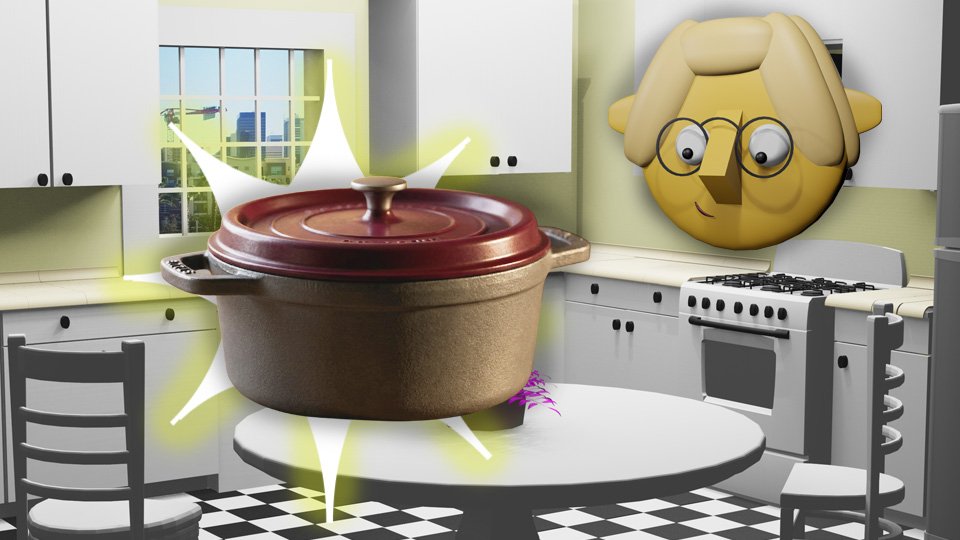
If you were going to own only one piece of cookware beyond a basic skillet, it should be a Dutch oven.
This is not hyperbole. The Dutch oven does more genuinely different things well than any other pot or pan:
- Braises tough cuts of meat into falling-apart tenderness over hours of low oven heat
- Makes soups and stews with even, consistent heat distribution
- Bakes the best bread most home ovens will ever produce
- Deep-fries with the oil capacity and temperature stability that smaller pans can’t match
- Cooks beans and grains with the kind of even simmer that produces silky, uniform results
- Serves as a dramatic, beautiful serving vessel that goes from oven to table
The Dutch oven earns its place in the kitchen by multiplying itself. One pot does the work of several.
What a Dutch Oven Is
A Dutch oven is a heavy, thick-walled cooking vessel with a tight-fitting lid, designed for long, slow cooking over low to moderate heat. The walls retain and distribute heat evenly. The lid traps moisture, creating a self-basting environment that keeps braised and stewed foods moist over long cooking times.
Most quality Dutch ovens are made from cast iron — either bare or enamel-coated. The cast iron provides the mass and heat retention that defines the Dutch oven’s performance.
The Enamel vs. Bare Cast Iron Question
Enamel-coated Dutch ovens (Le Creuset, Staub, Lodge Enamel): The enamel coating prevents rusting, makes the pot fully non-reactive (safe for acidic foods like tomatoes and wine that can’t be cooked long in bare iron), and eliminates the need for seasoning. The interior surface is smooth and easy to clean. Enamel Dutch ovens can be washed with soap without concern.
The tradeoff: enamel can chip if dropped or subjected to thermal shock. It’s also more expensive, especially for the French brands.
Bare cast iron Dutch ovens (Lodge, Smithey): Require seasoning like any cast iron. Technically reactive with acidic foods over extended cooking, though most practical acidic applications (tomato sauces, braised wine dishes) are fine for normal durations. Cheaper than enamel equivalents.
For most cooks: Enamel is the more practical choice for a Dutch oven specifically, because the Dutch oven is the natural home of long-cooked, often acidic braises and soups. The non-reactive surface is a genuine advantage.
Size: What to Get
5–7 quarts: The sweet spot for most households. Large enough to braise a whole chicken or a 3-4 pound roast, make a big pot of soup, or bake a full-size loaf of bread. The 5.5-quart round is the most popular size.
3.5–4.5 quarts: For smaller households (1–2 people). Slightly more manageable in weight and storage.
7+ quarts: For large families, frequent batch cooking, or big entertaining. Heavy and requires storage space.
The 5.5-quart round Dutch oven is the default recommendation for a reason. It’s the most versatile size for the widest range of households.
The Brands
Le Creuset: The classic. Made in France since 1925. Exceptional quality, beautiful colors, lifetime warranty. Also: $350+ for a 5.5-quart. A genuine investment that justifies itself with decades of daily use. Worth buying on sale (significantly discounted during seasonal sales and at factory outlets).
Staub: The Le Creuset competitor from Alsace. Similar quality, slightly different interior design (matte black enamel with small bumps on the lid that baste the food as condensation drips back in). Le Creuset loyalists and Staub loyalists argue passionately. Both are excellent.
Lodge Enamel Cast Iron: The American, accessible-price alternative. $60–80 for the 6-quart. Enamel quality is somewhat less refined than the French brands — can be more prone to chipping — but the cooking performance is very good. The rational starting point.
Cuisinart Chef’s Classic Enamel: Another budget-friendly option. Wider availability, decent performance.
The Bread-Baking Application
One of the Dutch oven’s most beloved uses is baking no-knead bread. A covered Dutch oven in a hot oven (450–500°F) creates a steam environment that produces professional-quality bread crust at home — the trapped steam prevents the crust from setting too early, allowing the bread to expand fully before the crust crisps.
Remove the lid for the last 15 minutes, and the result is a dark, crackling, bakery-caliber crust. The Dutch oven has genuinely changed home bread baking.
🛒 Gear Worth Having
- Le Creuset 5.5-Quart Round Dutch Oven — The gold standard. Buy it on sale; it’s worth the wait.
- Staub 5.5-Quart Round Cocotte — The equally excellent French alternative. Self-basting lid bumps are a genuine feature.
- Lodge 6-Quart Enamel Cast Iron Dutch Oven — The accessible starting point. Good performance, reasonable price.
- Tramontina 7-Quart Enamel Dutch Oven — Another solid mid-tier option. Frequently on sale at major retailers.
- Jim Lahey’s My Bread Cookbook — The no-knead bread bible. Once you have the Dutch oven, this book is the destination.
As an Amazon affiliated, I earn from qualified purchases. Thank you for supporting TumbleBump.
Recommended Reads
- Setting Up the Cook Space: The Basic Toolkit
- The Sunday Reset: How to Calendar Your Meals Without Losing Your Mind
- The Three-Act Staple: Why You’re Cooking for Future You
TumbleBump is part of the WhistleBump group – find the rest of the family at WhistleBump.com.
25010
©2026 John D Reinhart/TumbleBump.com – all rights reserved