
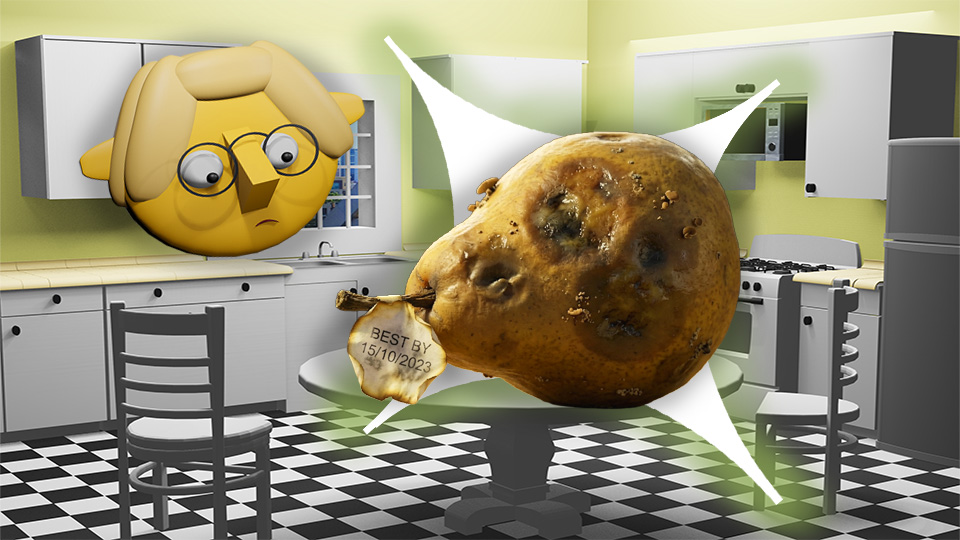
Americans throw away an estimated 30–40% of the food supply. A significant portion of this waste is driven by misreading food date labels — tossing food that is perfectly safe and often perfectly good because the printed date has passed.
The critical thing to know: in the United States, with the exception of infant formula, there is no federal law requiring food expiration dates. The dates you see on food packaging are not regulated safety standards. They are manufacturer estimates of peak quality — and “past peak quality” is very different from “unsafe.”
The Date Types and What They Actually Mean
“Best By” / “Best If Used By”: A manufacturer’s estimate of when the product will be at peak quality — flavor, texture, appearance. The product is almost certainly still safe after this date; it may just be slightly less fresh or vibrant than the manufacturer prefers.
“Sell By”: An inventory management date for retailers, not consumers. It tells the store when to pull the product from shelves to ensure customers have reasonable time to use it after purchase. The food is still safe and often still at peak quality on this date and significantly beyond.
“Use By”: The manufacturer’s recommended last date for peak quality. Slightly more conservative than “Best By” but still not a safety date for most products. The exception: “Use By” on highly perishable ready-to-eat products (deli meats, prepared salads) should be taken more seriously.
“Freeze By”: A recommendation for when to freeze the product to maintain best quality — not an indication that it will be unsafe if you don’t.
“Packed On”: When the product was manufactured or packaged. Most useful for calculating freshness from the pack date rather than from an arbitrary printed cutoff.
Products Where the Date Doesn’t Matter Much
Canned goods: The USDA says most canned foods are safe indefinitely. Quality degrades over years — textures soften, flavors mellow — but properly stored canned goods with intact seals are safe well past any printed date. The “best by” date on a can of tomatoes is about flavor peak, not safety.
Dried pasta, rice, and grains: Shelf-stable almost indefinitely when stored properly (airtight, cool, dry). A two-year-old box of pasta is fine.
Dried beans and lentils: Safe indefinitely; become harder to rehydrate over time and require longer cooking. An “expired” bag of dried lentils is not dangerous.
Honey: Does not expire. Honey found in ancient Egyptian tombs was still edible. Crystallization is normal and reversible (warm gently).
Hard liquor: Doesn’t expire. Wine and beer degrade in quality after opening but are not unsafe.
Vinegar: The USDA considers vinegar to have an indefinite shelf life. Quality stays consistent for years.
Soy sauce, fish sauce, hot sauce: Very high salt and acid content makes these shelf-stable well beyond any printed date once opened.
Salt and sugar: No expiration. These are minerals and simple carbohydrates that don’t degrade.
White vinegar, apple cider vinegar: Indefinitely shelf-stable.
Spices: Don’t go bad in a safety sense; do go stale in a flavor sense. See the spice freshness section.
Products Where the Date Matters More
Ready-to-eat deli meats and prepared foods: These are the products where date labels are most meaningful, because listeria can grow at refrigerator temperatures in high-moisture, ready-to-eat environments. Follow “Use By” dates on these more carefully.
Fresh meat, poultry, and seafood: Buy close to the sell-by date only if cooking immediately; otherwise freeze. Fresh fish is particularly time-sensitive.
Soft cheeses: Higher moisture content and lower acidity make soft cheeses (ricotta, brie, fresh mozzarella) more time-sensitive than hard cheeses.
Eggs: See the dedicated egg post for the float test. But eggs in the shell last 3–5 weeks refrigerated past the pack date.
Milk: Usually safe for 7–10 days past the sell-by date when refrigerated properly. Use your nose — it will tell you.
The Sensory Test (Better Than Any Date)
For most foods, your senses are better expiration detectors than any printed date.
Smell it: Most food that has gone genuinely bad smells wrong. (The exception: the foodborne pathogens discussed in the SAVES nose post — Salmonella and listeria don’t have a smell. For these, the date and proper storage matter more than the nose.)
Look at it: Mold, unusual discoloration, liquefied texture — these are visible signs of genuine spoilage.
Taste a small amount: Off flavors are usually obvious.
The combination of smell + look + taste is more reliable for most foods than the date stamp.
The Waste Calculation
The average American household throws away $1,500–2,000 worth of food per year. A significant portion of this is date-driven — food that was thrown away because the date passed, not because the food was actually bad. This is money directly in the trash.
Understanding what dates mean — and that most of them are quality estimates, not safety deadlines — is one of the most immediately useful pieces of food knowledge available.
🛒 Gear Worth Having
- Refrigerator Thermometer — Proper refrigeration (at or below 40°F) is the most important variable in food longevity. Know what yours is actually running at.
- OXO Airtight Food Storage Containers — Proper storage extends safe food life significantly beyond what the printed date assumes.
- Dry-Erase Refrigerator Labels — Date your own food when you open or prepare it. A more accurate signal than the manufacturer’s date.
- USDA FoodKeeper App — The official resource for how long foods remain safe under different storage conditions.
- Vacuum Sealer Food Bags — For extending the life of opened products significantly. Removes the air that drives oxidation and mold.
As an Amazon affiliate, I earn from qualifying purchases. Thank you for supporting TumbleBump.
Related Reads
- Fresh vs. Frozen Vegetables: The Nutrition Shock
- Turning the “Bottom of the Jar” into Dressing
- Cooking Vegetables Everyone Will Eat
Posted on TumbleBump | GOODS Category
TumbleBump is part of the John D Reinhart content family. Writer, illustrator, videographer, and accidental filmmaker — find the whole story at JohnDReinhart.com.
27004
©2026 John D Reinhart/TumbleBump.com – all rights reserved

 tumblebump.com