
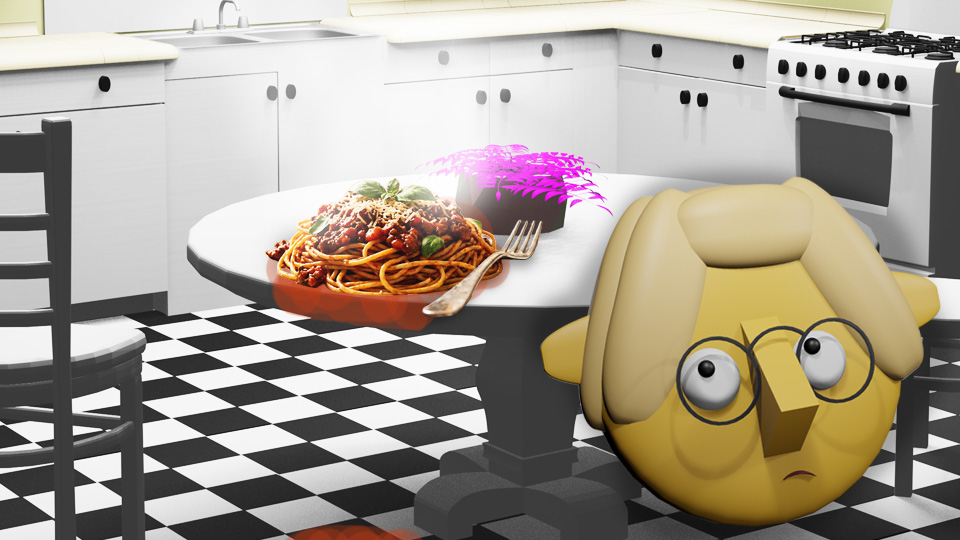
Pasta is the meal most people make when they don’t know what to cook. This makes it both the most familiar and the most underestimated dish in the home cook’s repertoire.
Because here’s the thing: good pasta is not just pasta with sauce poured on top. It’s a dish where the pasta and sauce become a unified thing — where they’re cooked together, where starchy pasta water binds everything, where the result is silky and cohesive rather than a pile of noodles with a pool of sauce underneath.
The difference between pasta-with-sauce-on-top and real pasta is a few small technique shifts. Here they are.
The Water: More Than You Think
Use more water than you think you need — at least 4–5 quarts for a pound of pasta. Pasta needs room to move around as it cooks; crowded pasta clumps.
Salt the water aggressively. This is the step most home cooks undertake too timidly. The water should be “salty like the sea” — a common instruction that means a tablespoon or more of salt per quart of water. Pasta absorbs flavor as it cooks; this is your only opportunity to season the pasta itself. Water that isn’t well-salted produces pasta that tastes of nothing no matter how good your sauce is.
Bring the water to a full rolling boil before adding pasta.
The Pasta: Shapes Have Reasons
Pasta shapes exist for reasons, not just aesthetic variety. Different shapes are designed to work with different sauce textures.
Long, thin pasta (spaghetti, linguine, fettuccine): Best with smooth or lightly textured sauces — aglio e olio, carbonara, light tomato sauces, simple cream sauces. The sauce coats the strands.
Short, tubular pasta (penne, rigatoni, paccheri): Best with chunky sauces or meaty ragùs. The sauce gets inside the tubes and catches in the ridges.
Small pasta (fusilli, farfalle, orecchiette): Best with chunky vegetable sauces, sausage-based sauces, or pesto. Small pastas catch chunky bits.
Large, wide pasta (pappardelle, wide egg noodles): Best with rich, hearty, braised meat sauces. The broad surface carries big flavors.
You don’t need to be rigid about this. But matching shape to sauce makes a difference you’ll taste.
The Cook: Al Dente Is a Specific Thing
Al dente means “to the tooth” in Italian — a pasta that is cooked through but retains a slight resistance when you bite it. It should be tender but not soft. There should be the faintest bit of chew in the very center.
Cook it less than the box says. Start tasting 2 minutes before the package minimum. Fish out a piece and bite it. If you see a white line in the cross-section, it needs more time. When the white line is gone but there’s still a tiny bit of resistance, you’re there.
Don’t rinse your pasta. Rinsing washes off the surface starch that helps sauce adhere. Drain it, don’t rinse it.
Pasta Water: Liquid Gold
Before you drain your pasta, scoop out a cup or two of the cooking water. This pasta water is starchy, salty, and slightly thick — it’s the secret ingredient that makes restaurant pasta sauces silky and cohesive.
When you combine pasta with sauce, adding a splash of pasta water helps the sauce cling to the noodles and creates an emulsified, glossy result instead of a separated, greasy, or watery one.
Add it sparingly, a few tablespoons at a time. You usually won’t use the whole cup — but you’ll almost always need some of it.
Finishing in the Sauce: The Critical Step
Most home cooks drain pasta completely, then add sauce to the bowl or plate. This is fine, but it produces that characteristic “pasta with sauce on top” quality.
The restaurant approach: undercook the pasta by 1–2 minutes, then finish cooking it directly in the sauce.
- Remove pasta from water slightly before it’s done (still very al dente)
- Transfer directly into the pan with warm sauce (a ladle of pasta water goes with it)
- Toss over medium heat for 1–2 minutes
The pasta finishes cooking in the sauce. It absorbs the sauce’s flavors. The sauce thickens slightly from the starch in the pasta. The whole thing comes together as a unified dish.
This is the single biggest improvement most home pasta cooks can make.
The Simplest Sauces That Are Also the Best
Aglio e Olio (Garlic and Oil): Spaghetti + good olive oil + plenty of garlic (thinly sliced, not minced, cooked gently) + red pepper flakes + parsley + pasta water. That’s it. It takes 20 minutes and costs almost nothing.
Cacio e Pepe: Pasta + pecorino romano cheese + black pepper + pasta water. Three ingredients. Notoriously tricky to get smooth (the cheese can clump) but deeply satisfying when it works.
Simple Tomato Sauce: Crushed canned tomatoes (San Marzano if you can find them) + olive oil + garlic + salt + a little basil at the end. Simmer for 20 minutes. This is the sauce of Italian grandmothers and it is unbeatable.
Pasta with Butter and Parmesan: Drained pasta + a few tablespoons of good butter + grated parmesan + pasta water to make it silky. Dinner for one, late at night, quietly excellent.
A Note on Fresh vs. Dried
Dried pasta is not inferior to fresh pasta — they’re just different products for different dishes. Fresh pasta (made from egg dough) is silkier, richer, cooks faster, and suits delicate sauces and stuffed pasta shapes. Dried pasta (made from semolina and water) is heartier, has better texture for al dente, and is better for robust sauces.
Both are good. Dried pasta from a good brand (De Cecco, Barilla, Rummo) is excellent and costs almost nothing. Don’t feel you need to make fresh pasta to cook pasta well.
🛒 Gear Worth Having
- De Cecco Pasta Variety Pack — One of the most respected dried pasta brands. The quality is real.
- Cuisinart 6-Quart Stockpot — You need a big pot. This is the right size for a pound of pasta.
- OXO Good Grips Colander — Stable, easy to drain into, and the right size.
- 12-inch Stainless Steel Skillet — For finishing pasta in sauce. Stainless is better than nonstick here — you want a little stickiness for the sauce to grab.
- Pasta by Evan Funke — If you ever want to go deeper into pasta as a craft, this is the book. Beautiful and comprehensive.
As an Amazon affiliate, I earn from qualifying purchases. Click through the links above to support TumbleBump.
Recommended Reads
- How to Choose Saucepots and Stew Pots – Making pasta is always easier when you have the right tools.
- Cleanup as You Go: The Secret to Not Hating Cooking – Pasta is notorious for making a mess. Here’s how to get ahead of it.
- The Anatomy of a $100 Grocery Haul – Making wise choices at the market is the first step in making sure you have everything you need on hand when you cook.
Posted on TumbleBump | COOKS Category
TumbleBump is part of the John D Reinhart content family. Writer, illustrator, videographer, and accidental filmmaker — find the whole story at JohnDReinhart.com.
21000
©2026 John D Reinhart/TumbleBump.com – all rights reserved

 tumblebump.com