Garlic, Onions, and Other Things the Recipes Gloss Over

The recipes mention garlic and onions like they’re nothing. They are not nothing. Here’s what’s actually happening in your kitchen — and why it’s all completely worth it.

Meta Description:

The recipe said “peel and mince three cloves of garlic.”

It did not mention that garlic skin is papery and clingy and will stick to your fingers and the knife and the cutting board and somehow also the cabinet door behind you. It did not mention that your hands will smell like garlic for the rest of the day regardless of how many times you wash them. It did not mention any of this because the recipe was written by someone who has peeled ten thousand cloves of garlic and has completely forgotten that it was ever strange.

This is the gap TumbleBump exists to fill.

Cooking is wonderful. It is also, in places: sticky, tearful, smelly, and mildly alarming if nobody warned you what was coming. Consider yourself warned — and reassured. This is all completely normal, it happens to everyone, and there are ways to make most of it easier.

There are approximately 7 gazillion YouTube videos showing you exactly how to handle each of these things step by step. We wholeheartedly encourage you to go watch them. We’re here for the why — the part that makes all the how make sense.

🧄 Garlic: The Fragrant Menace

The peeling problem

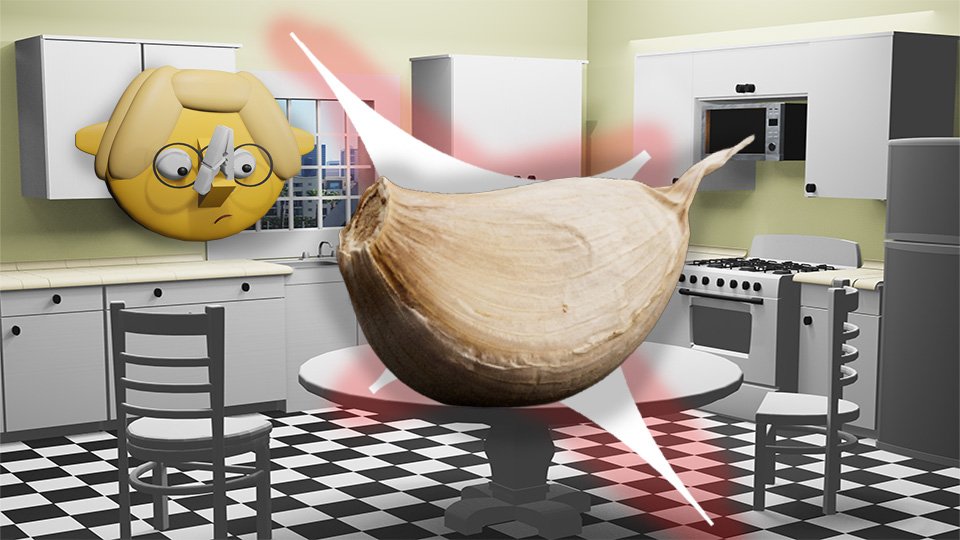
A garlic clove sits inside two layers of skin — a papery outer layer that belongs to the whole head, and a thinner inner skin that clings to the individual clove like it has a personal grudge. Getting that inner skin off is the part recipes breeze past with the word “peel.”

Here’s why it clings: garlic skin is dry and light, which means it generates static electricity the moment you touch it. It sticks to your fingers. It sticks to the knife. It drifts across the counter. This is not a sign that you’re doing it wrong. This is just garlic being garlic.

The microwave trick — and why it works

Ten to fifteen seconds in the microwave (for a whole head) or about five seconds per clove causes the moisture inside the garlic to expand very slightly, which loosens the skin from the flesh underneath. The clove essentially slides right out. It works because heat and steam are doing the peeling work instead of your fingers.

The tradeoff: microwaved garlic is very slightly softer than raw, which matters if you’re using it raw in a dressing or salsa. For cooking — sautéing, roasting, adding to a sauce — it makes absolutely no difference whatsoever.

🧄  The smash method is equally fast and requires no microwave: lay the flat side of a knife on the clove and press down firmly with the heel of your hand. The skin splits and the clove pops right out. Bonus: the smashed clove is already partially broken down and will mince much more easily.

The smell problem

Garlic contains sulfur compounds — the same family of chemicals responsible for its flavor and its staying power on your hands. When you cut or crush garlic, those compounds are released and bond readily with the proteins in your skin.

Soap and water alone won’t fully remove them because the compounds aren’t water-soluble. What works better: rubbing your hands on stainless steel under cold water (a stainless steel soap bar is a real product and it actually works), washing with lemon juice, or simply accepting that you cooked with garlic today and your hands are going to tell that story for a while.

💡  Professional cooks smell like garlic. It’s a badge of honor, not a hygiene failure. Welcome to the club.

🧅 Onions: The Tearful Truth

Why your eyes water

When you cut an onion, you rupture its cells and release enzymes that react with each other to produce a sulfur-based gas. That gas rises, hits the moisture on your eyes, and converts into a mild sulfuric acid. Your eyes respond the way any reasonable eyes would respond to sulfuric acid: they water, urgently and without apology.

This is not a flaw in the onion. This is the onion doing exactly what it evolved to do — discouraging things from eating it. You are being chemically discouraged. Cook the onion anyway.

What actually helps

  • A sharp knife. A dull knife crushes the onion cells rather than slicing cleanly through them, releasing far more of the irritating compounds. The sharper the knife, the fewer tears.
  • Cold onion. Chilling the onion in the refrigerator for thirty minutes before cutting slows the chemical reaction. Less gas, fewer tears.
  • Good ventilation. Cut near an open window or under a running exhaust fan. The gas disperses before it reaches your eyes.
  • Contact lenses. Contact lens wearers are frequently immune to onion tears because the lenses physically block the gas from reaching the eye surface. An unexpected benefit of imperfect vision.

😢  Goggles work perfectly. Nobody wears them. Onion-cutting goggles are a real product, they are completely effective, and they will make you look absolutely unhinged in your own kitchen. Worth knowing they exist.

The smell

Onion smell on hands is the same sulfur-compound situation as garlic, and responds to the same remedies. Stainless steel, lemon juice, time. The cutting board will smell too — a quick rub with half a lemon, then a wash, sorts it right out.

🍗 Raw Chicken: Just Breathe

Raw chicken makes a lot of people deeply uncomfortable, and understandably so. It’s cold, it’s slippery, it smells faintly of itself, and everything you’ve ever heard about food safety is playing on a loop in the back of your mind.

Here’s the reassuring truth: raw chicken is safe to handle. It just requires a little protocol.

  • Keep it cold until you’re ready to cook it. Bacteria multiply at room temperature. Straight from the fridge to the pan is the right move.
  • Don’t wash it. Rinsing raw chicken in the sink spreads bacteria to the sink, the counter, and anything nearby via water droplets. Cooking to 165°F kills everything. Skip the rinse.
  • Use a dedicated cutting board for raw meat, or wash your board thoroughly with hot soapy water before using it for anything else.
  • Wash your hands immediately after handling raw chicken and before touching anything else in the kitchen. This is the whole protocol. It’s not complicated.

🍗  The slipperiness is just moisture. Pat chicken dry with a paper towel before cooking and it handles much more easily — and browns better in the pan. Two problems solved at once.

🐟 Fish: The Smell Situation

Fresh fish should smell like the ocean — clean, briny, pleasant even. Fish that smells powerfully of fish is fish that is past its prime. That’s the first thing to know.

The second thing to know is that cooking fish fills the kitchen with a smell that lingers considerably longer than the cooking itself. This is simply the nature of fish. Open a window. Run the exhaust fan. Accept it as the price of a genuinely excellent dinner.

Fish smell on hands and pans

  • Hands: lemon juice or white vinegar cuts fish smell more effectively than soap alone. Rub, rinse, done.
  • Pans: a quick wash with hot soapy water immediately after cooking prevents the smell from setting in. Don’t let a fish pan sit.
  • The kitchen: simmer a small pot of water with lemon slices and a splash of vanilla extract after cooking fish. It neutralizes the smell remarkably quickly and makes the kitchen smell like a bakery, which is a significant upgrade.

🌶️ Pepper Seeds and Other Small Chaos

Hot pepper hands

The capsaicin in hot peppers — the compound responsible for heat — bonds to your skin and does not come off with soap and water. If you touch your eyes after handling hot peppers, you will have a very bad few minutes.

Wear disposable gloves when working with hot peppers. This is not overcautious. This is just correct. If you’ve already made the mistake, wash your hands with dish soap (which cuts oils better than hand soap), then rub with vegetable oil, then wash again. It helps. Somewhat.

Sticky dough

Bread and pastry dough sticks to hands, counters, rolling pins, and ambition. Flour is the answer — a light dusting on your hands and the work surface keeps things moving. The instinct is to add more and more flour, but too much changes the dough. Just enough to prevent sticking is the goal.

The general chaos of a busy stovetop

Oil spits. Sauce bubbles over. Steam burns are sneaky and arrive without warning. A kitchen in action is a mildly hazardous environment, and experienced cooks navigate it with a combination of awareness and respect rather than fearlessness.

Keep a kitchen towel on your shoulder. Use it for everything — pan handles, spills, your hands. Don’t reach over open flames. Turn pot handles inward so they can’t be bumped. These habits become automatic within a few weeks and make the kitchen feel safe and manageable rather than chaotic.

✅  Every cook has burned themselves on a pan handle, splattered sauce on a clean shirt, and dropped something at the worst possible moment. Every single one. You are not uniquely clumsy. You are just learning, which is exactly the right thing to be doing.

🛒 What to Get

The Essentials

  • Stainless Steel Soap Bar — Removes garlic, onion, and fish smell from hands better than regular soap. Sounds implausible, works completely.
  • Sharp Chef’s Knife (8-Inch) — A sharp knife is the single best solution to onion tears, garlic frustration, and most other prep problems. Dull knives make everything harder and more dangerous.
  • Nitrile Disposable Gloves — For hot peppers, raw chicken, beets, or anything else you’d rather not have on your hands. Keep a box in the kitchen.
  • Plastic Cutting Board Set — Color-coded boards for meat, vegetables, and fish keep cross-contamination from becoming a concern. Simple and effective.
  • Kitchen Exhaust Fan (Under-Cabinet) — For fish nights and anything else that produces strong smells. Ventilation is the most underrated kitchen upgrade.

Nice to Have

  • Knife Sharpener (Pull-Through) — Keeps your chef’s knife sharp between professional sharpenings. Sharp knives are safer and more pleasant to use.
  • Lemon Squeezer — Lemon juice is the remedy for garlic hands, fish smell, cutting board odor, and about a dozen other kitchen realities. Keep lemons on hand.
  • Kitchen Towels (Set of 6) — Keep one on your shoulder while you cook. Use it for everything. Replace them often. The most useful thing in the kitchen after the knife.

As an Amazon Associate, I earn from qualifying purchases. Thank you for supporting TumbleBump.

🔗 Related Reads

TumbleBump is part of the John D Reinhart content family. Writer, illustrator, videographer, and accidental filmmaker — find the whole story at JohnDReinhart.com.

21017

©2026 John D Reinhart/TumbleBump.com – all rights reserved
Sauté: The One Word Every Recipe Uses and Nobody Ever Explains

Every recipe tells you to sauté something. Nobody tells you what that actually means. Here’s the whole story — why it works, what it does to food, and why it’s the technique that unlocks everything else.

There it is again.

“Sauté the onions.” “Sauté the garlic.” “Sauté the vegetables until softened.” Every recipe in the world assumes you know what this means, then moves cheerfully along to the next instruction while you stand at the stove wondering exactly what you’re supposed to be doing.

Here’s what you’re supposed to be doing.

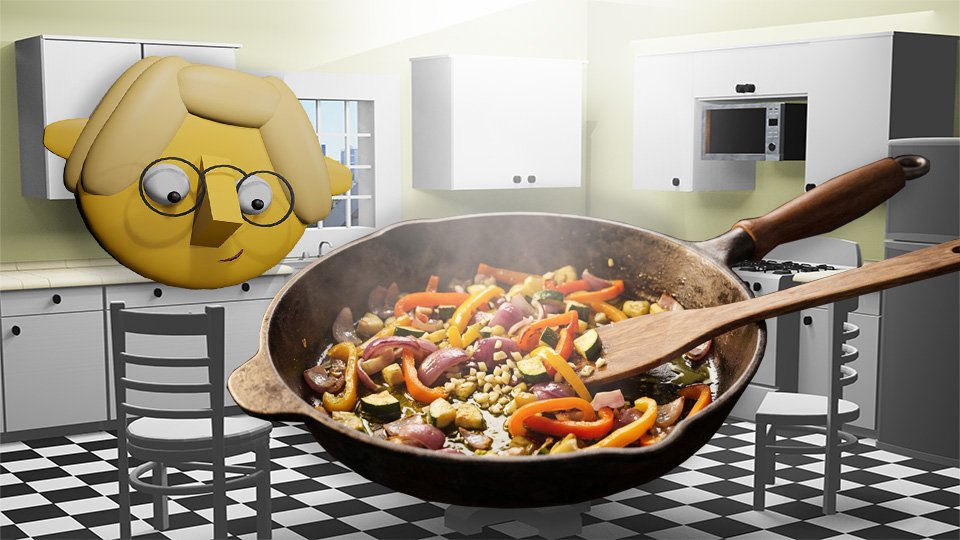
Sautéing is cooking food quickly in a small amount of fat over relatively high heat, moving it around occasionally so it cooks evenly without burning. That’s the whole definition. It’s fast, it’s simple, and once you understand why it works, you’ll recognize it as the foundation of roughly half of all cooking.

There are approximately 7 gazillion YouTube videos that will show you the step-by-step of sautéing specific ingredients. We encourage you to go watch them — that’s exactly what they’re there for. We’re here to explain the why, which is the part that makes everything else make sense.

🔥 Why High Heat?

Heat is what transforms food. Raw onion is sharp and eye-watering. A properly sautéed onion is soft, sweet, and fragrant — something chemically different from what went into the pan. That transformation happens because of heat, and specifically because of two processes working together.

The Maillard Reaction

When food hits a hot pan, proteins and sugars on the surface react with each other and produce hundreds of new flavor compounds. This is called the Maillard Reaction, and it’s responsible for the golden color and the deeply savory smell that makes a kitchen smell like someone who knows what they’re doing lives there.

High heat gets the surface of the food hot enough to trigger this reaction quickly, before the inside overcooks. That’s the sweet spot sautéing is designed to hit.

💡  Low heat in a sauté pan doesn’t sauté — it steams. The food releases its moisture, sits in a puddle of its own liquid, and turns gray and limp instead of golden and flavorful. If the pan isn’t sizzling when the food goes in, the heat isn’t high enough.

The Fat

A small amount of fat — olive oil, butter, or both — serves several purposes at once. It conducts heat evenly across the pan surface, prevents sticking, adds its own flavor, and helps the Maillard Reaction happen by keeping the surface of the food in consistent contact with the heat.

A small amount means enough to coat the bottom of the pan with a thin, even layer. Not a pool. Not a dry pan. Just enough.

🍳 The Pan Matters

Not every pan sautés equally. The right pan makes everything easier.

What You Want

  • A wide, flat bottom — so food has room to spread out and make contact with the heat rather than piling up and steaming each other.
  • A pan that holds heat well — cast iron and stainless steel are the workhorses. They get hot, stay hot, and recover quickly when cold food goes in.
  • The right size — too small and the food crowds together and steams. Too large and the fat burns in the empty spaces. A 10 or 12-inch skillet handles most sauté jobs comfortably.

What You Don’t Want

  • A cold pan. Always heat the pan before adding fat, and heat the fat before adding food.
  • A crowded pan. If food is piled on top of itself, it steams instead of sautés. Cook in batches if needed.
  • A nonstick pan for high-heat sautéing. Nonstick coatings don’t like very high heat and won’t give you the same browning results.

🍳  A cast iron skillet is the ideal sauté pan for most home kitchens. It gets screaming hot, holds that heat beautifully, goes from stovetop to oven without complaint, and lasts approximately forever. If you only own one pan, make it this one.

🧅 What Sautéing Does to Different Foods

Onions

Raw onion is pungent and sharp. Sautéed onion becomes soft, translucent, and gently sweet as its sugars develop. This is why nearly every savory recipe starts with sautéed onion — it builds a flavor foundation that everything else sits on top of.

A few minutes over medium-high heat produces softened onion. Longer over medium heat produces caramelized onion, which is a different and deeply wonderful thing.

Garlic

Garlic sautés faster than almost anything else — thirty seconds to a minute in a hot pan is usually enough. It goes from raw and sharp to golden and fragrant remarkably quickly, and from golden and fragrant to burned and bitter just as quickly. Watch it. Don’t walk away.

Vegetables

Most vegetables benefit enormously from a quick sauté. Zucchini, peppers, mushrooms, spinach, green beans — high heat, a little oil, keep them moving, and they go from raw to tender-with-a-little-color in just a few minutes. Each vegetable has its own timing, which is where those YouTube videos become your friend.

Protein

Chicken, shrimp, thin-sliced beef, scallops — sautéing gives protein a golden, flavorful crust on the outside while cooking it through quickly. The key is not moving it too soon. Let it sit in contact with the pan long enough to release naturally, then turn it. If it’s sticking, it’s not ready to flip.

✅  The food will tell you when it’s ready to move. If it resists, wait. If it releases cleanly, turn it. This applies to almost everything you’ll ever sauté.

🌡️ The Heat Question

Recipes that say “medium-high heat” are giving you a starting point, not a law. Every stove is different. Electric, gas, induction — they all behave differently, and the same dial setting produces different results on different equipment.

The real signal is the pan and the food, not the dial:

  • Fat should shimmer and move easily when the pan is ready — not smoke, not sit still
  • Food should sizzle immediately when it hits the pan — not silence, not violent spitting
  • The pan should stay hot when food goes in — if it goes quiet and cold, the heat is too low or the pan is too crowded

🔥  If nothing is sizzling, something is steaming. Turn up the heat, give the pan a moment to recover, and try again. A little sizzle is your friend. Silence is the enemy of a good sauté.

🛒 What to Get

The Essentials

  • Lodge 10-Inch Cast Iron Skillet — The gold standard sauté pan for home cooks. Gets hot, stays hot, and produces better browning than almost anything else at any price.
  • Lodge 12-Inch Cast Iron Skillet — For larger batches. More room means less crowding, which means better sautéing results across the board.
  • Stainless Steel Skillet 10-Inch — A lighter alternative to cast iron with excellent heat distribution. All-Clad and Made In are the benchmarks.
  • Wooden Spoon Set — For moving food around the pan without scratching it. A good wooden spoon is one of the most useful tools in the kitchen.
  • Splatter Screen — High-heat cooking with fat produces splatter. A splatter screen keeps it in the pan and off your stovetop. Underrated kitchen purchase.

Nice to Have

  • Tongs (Locking, 12-Inch) — For turning proteins and tossing vegetables without losing control of them. The most useful tool you’ll reach for constantly.
  • Instant-Read Thermometer — For proteins especially — takes the guesswork out of done vs. not done. Worth every penny.

As an Amazon Associate, I earn from qualifying purchases. Thank you for supporting TumbleBump.

🔗 Related Reads

TumbleBump is part of the John D Reinhart content family. Writer, illustrator, videographer, and accidental filmmaker — find the whole story at JohnDReinhart.com.

21016

©2026 John D Reinhart/TumbleBump.com – all rights reserved
Seven Dishes Every Beginning Cook Should Make First

Seven dishes that taste great even when you’re still figuring things out — and smell absolutely wonderful while they’re at it These seven forgiving dishes will build your confidence, fill your kitchen with good smells, and actually taste great — every time.

Here is a truth about cooking that nobody puts on the box: the recipe matters less than the dish.

Some dishes are genuinely unforgiving. A soufflé will collapse if someone opens the oven door wrong. A béarnaise sauce will break if you look at it sideways. A perfectly seared scallop requires confidence, timing, and a pan hot enough to make you reconsider your life choices.

Other dishes are built for humans. They have wide margins, generous timing, and the kind of flavors that cover a multitude of small errors. Make a mistake and dinner is still good. Make a slightly bigger mistake and dinner is still pretty good. These are the dishes you start with.

Master the forgiving ones first. The tricky ones will wait.

There are approximately 7 gazillion YouTube videos that will show the nitty-gritty low down, the step-by-step blow-by-blow of actually preparing these dishes. Please don’t think we’ll be offended if you go look. In fact, we encourage you. We’re here to provide the why, not the how!

🍗 One-Pan Roasted Chicken Thighs

Why it’s your new best friend

The chicken thigh is the most forgiving protein in the known universe. It has enough fat to stay juicy even if you overcook it, enough surface area to go golden and crispy without any special technique, and enough flavor to taste genuinely satisfying with nothing more than salt, pepper, and a hot oven.

If you have never cooked a piece of meat in your life, start here.

The technique

  • Season generously with salt, pepper, garlic powder, paprika — whatever sounds good
  • Place skin-side up in an oven-safe pan or baking dish
  • Roast at 425°F for 35–45 minutes until the skin is deep golden
  • Internal temperature should hit 165°F — a meat thermometer removes all doubt

✅  You can over-season these and they’re still good. You can leave them five extra minutes and they’re still juicy. You can make them with olive oil, butter, or nothing at all in a pinch. Chicken thighs simply refuse to fail.

🍝 Pasta with Simple Tomato Sauce

Why it’s your new best friend

Pasta is almost impossible to truly ruin. A can of good crushed tomatoes is already halfway to dinner before you’ve done anything. The whole business comes together in twenty minutes and tastes like someone tried — because you did, and it was easy.

The technique

  • Boil well-salted water in a saucepan. Cook pasta until al dente — taste it, it should have just a little resistance
  • Meanwhile, in another saucepan, warm a can of crushed tomatoes in a pan with olive oil, a clove or two of garlic, and salt
  • Combine pasta and sauce. Add parmesan and black pepper. Eat immediately.

✅  The timing is gentle, the flavors are robust, and even slightly overcooked pasta in a good sauce is entirely acceptable. This is weeknight dinner, not a competition.

Here are the nuts and bolts of making pasta, if you’re curious.

🍲 Lentil Soup

Why it’s your new best friend

Lentils may be the single most forgiving ingredient in the entire kitchen. Unlike dried beans, they need no soaking. They cook in under thirty minutes. They absorb flavor like a sponge. And overcooked lentils don’t become a disaster — they become creamier, which is actually delicious.

The technique

  • In a saucepan, soften diced onion, carrot, and celery in olive oil — this is a mirepoix, the flavor foundation of most soups, and it smells wonderful
  • Add garlic, cumin, a can of diced tomatoes, a cup of dried lentils, and broth or water
  • Simmer 25–30 minutes. Season with salt and a squeeze of lemon juice.

✅  Once everything is in the pot, the soup takes care of itself. The leftovers are arguably better than the first serving. Make a double batch without a second thought.

Lentils make a great foundational staple for a week’s worth of dishes. Here’s a way to plan that out.

🍳 Fried Rice

Why it’s your new best friend

Fried rice was invented to use up what you already have. Day-old rice (actually better than fresh for this), eggs, whatever vegetables are in the freezer, soy sauce — the dish has infinite variation and is genuinely hard to mess up even on a bad day.

The technique

  • High heat in a wok or your trusty cast-iron skillet, a little oil, garlic and ginger if you have them
  • Add vegetables and stir until hot
  • Add rice and press flat for a minute before stirring — this creates a small, satisfying crust
  • Scramble an egg or two directly into the pan, stir to combine
  • Season with soy sauce. Taste. Adjust. Eat.

✅  Too little soy? Add more. Too dry? Splash of broth. Missing a vegetable? Swap something else in. The dish adjusts to you, not the other way around.

🍌 Banana Bread

Why it’s your new best friend

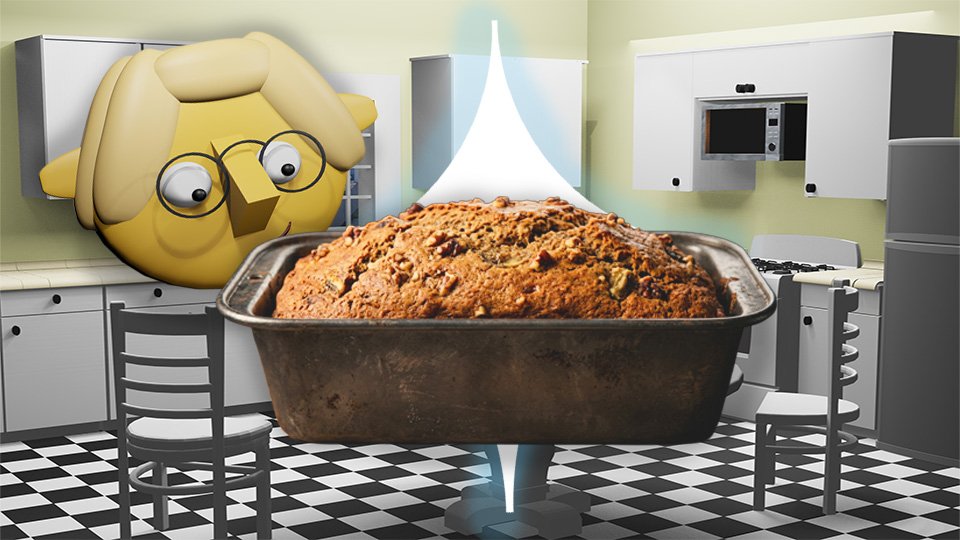
Banana bread is the gateway baking project for excellent reasons. It uses over-ripe bananas — the blacker, the better, because more brown means more sugar means more flavor. It requires no special equipment. And the flavor is robust enough to survive small measurement errors without blinking.

The technique

  • Mash three very ripe bananas thoroughly in a large bowl
  • Mix in melted butter, sugar, one egg, a splash of vanilla, a pinch of salt, baking soda, and flour
  • Pour into a greased loaf pan. Bake at 350°F for 55–65 minutes.
  • A toothpick in the center should come out clean. Let it cool — if you can stand it.

✅  The margin for error is wide, the result is reliably wonderful, and your kitchen will smell like the inside of a hug. This one wins every time.

🥚 Frittata

Why it’s your new best friend

A frittata is a baked omelette, and it’s infinitely less stressful than a French omelette — which requires precise heat, specific technique, and a certain philosophical acceptance that it may slide onto the floor. A frittata you don’t fold. The oven does the work. There’s nothing to panic about.

The technique

  • Whisk eggs in a bowl with salt and a splash of milk or cream
  • In an oven-safe pan, sauté whatever vegetables or protein you like in olive oil
  • Pour in the eggs. Don’t stir. Let the bottom set for 2–3 minutes.
  • Transfer the pan to a 375°F oven for 10–12 minutes until the top is just set

✅  The oven handles the hard part. The dish accepts almost any filling. And it looks far more impressive than the effort required — which is exactly what you want.

If you’re new to the concept of sautéing, this post has helpful information: Sauté: The One Word Every Recipe Uses and Nobody Ever Explains

🥦 Sheet Pan Vegetables with Anything

Why it’s your new best friend

Roasting vegetables is the most forgiving cooking method in existence. You toss things in oil and salt, spread them on a sheet pan, and put them in a hot oven. They will become good. Every single time. No technique required, no timing anxiety, no special skills.

The technique

  • Cut any vegetable into roughly even pieces
  • Toss with olive oil and salt. Spread in a single layer on a sheet pan — don’t crowd them.
  • Roast at 400–425°F for 20–35 minutes depending on the vegetable, tossed once halfway through

✅  Slightly undercooked: pleasantly crunchy. Slightly overcooked: caramelized and sweeter. Either direction from perfect is still a good result. Roast everything. Roast it often.

🛒 Gear Worth Having

The Essentials

  • Lodge 10-Inch Cast Iron Skillet — Stovetop to oven in one pan. Essential for frittatas, chicken thighs, and a lifetime of cooking. Virtually indestructible.
  • Nordic Ware Half Sheet Pans (2-Pack) — The roasting pan every kitchen needs. Two of them means more room and better results on sheet pan night.
  • 9×5 Loaf Pan — For banana bread, and eventually everything else you’ll want to bake in a loaf. A good one releases cleanly every time.
  • Instant-Read Meat Thermometer — Removes all guesswork from chicken. If it reads 165°F, dinner is done. Worth every penny.

Books Worth Reading

As an Amazon Associate, I earn from qualifying purchases. Thank you for supporting TumbleBump.

🔗 Related Reads

TumbleBump is part of the John D Reinhart content family. Writer, illustrator, videographer, and accidental filmmaker — find the whole story at JohnDReinhart.com.

21015

©2026 John D Reinhart/TumbleBump.com – all rights reserved
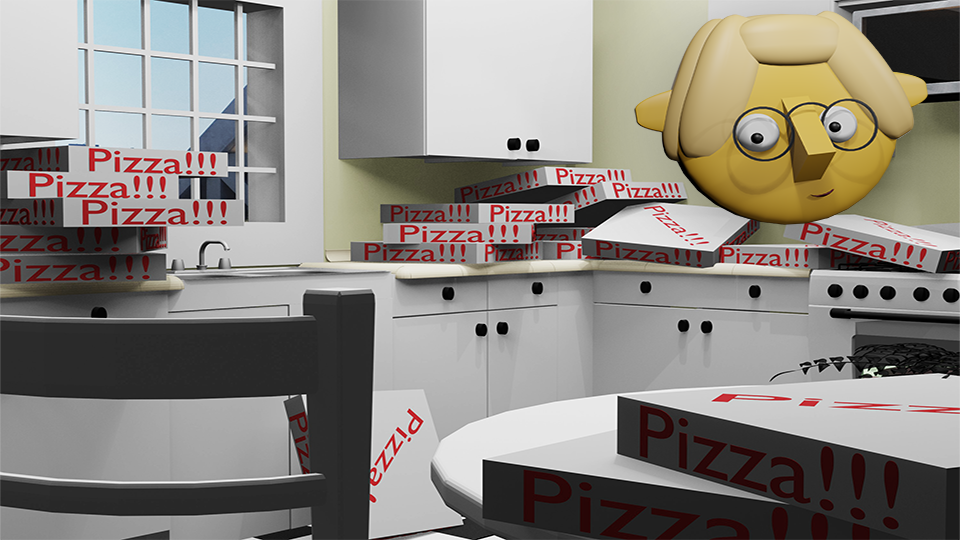
Five Meal Ideas That Are Faster Than Fast Food

Stop idling in the drive-thru! Discover five delicious, home-cooked meal ideas that go from pantry to plate faster than a “value meal” delivery. Save your sanity and your wallet with these TumbleBump kitchen sprints.

We’ve all been there. It’s 6:00 PM, the fridge is staring back blankly, and the siren song of the drive-thru starts wailing. It’ll be faster just to grab a burger, you think.

Except look at the actual math. By the time you find your keys, navigate the lights, sit behind sixteen idling SUVs, and discover they forgot the dipping sauce, you’ve spent forty-five minutes and twenty-five dollars. Several home-cooked meals beat that math without even trying — and they’re not fast because they’re simple shortcuts. They’re fast because of actual physics.

⚡ Why Some Foods Cook Fast, and Others Just Don’t

Cooking speed comes down to how quickly heat can reach the center of what you’re eating. Thin, small, or already-processed ingredients let heat arrive almost instantly. Thick, dense, or raw-from-scratch ingredients make heat travel further before anything’s actually done. Every meal below is fast for a specific physical reason, not because it’s cutting a corner.

🫓 Why the Quesadilla Wins

A folded tortilla creates enormous surface contact between food and pan at once — the whole flattened package touches heat simultaneously, rather than heat working through a single thick piece of meat or vegetable. Cheese acts as both flavor and glue, binding whatever’s inside without needing its own separate cooking time, since it’s already made and just needs to melt. That’s why a quesadilla scales to almost any leftover: the format does the fast-cooking work, not the specific filling.

🍝 Why Aglio e Olio Is Basically Free Speed

Thin pasta shapes have far more surface area relative to their volume than thick ones, which is why they cook in minutes rather than the better part of an hour a dense cut of meat might need. The real trick behind this dish, though, is parallel processing: garlic infuses into oil over low heat in almost exactly the time pasta takes to boil, so two separate cooking processes finish at the same moment without either one waiting on the other.

🥚 Why Eggs Are the Fastest Protein on the Planet

Eggs have very little water locked inside their structure compared to most proteins, and no connective tissue that needs long, slow heat to break down the way a tough cut of meat does. The proteins simply coagulate — firm up — the moment they hit heat, with nothing else standing in the way. That’s the entire reason a scramble finishes in minutes while a roast needs hours: there’s just less internal work for the heat to do.

🦐 Why Shrimp Basically Cooks Itself

Shrimp is small and genuinely lean, which means heat reaches the center almost instantly — the same property that makes it so fast is exactly why it overcooks just as fast if it’s left a beat too long. A shrimp that’s translucent and grey turns opaque and pink within roughly ninety seconds of real heat, and that speed is the whole reason it reads as a restaurant-level protein for weeknight effort.

🫓 Why Naan Skips the Slow Part of Pizza

Traditional pizza dough needs time to rise before it ever sees an oven — that waiting is most of what makes homemade pizza a project rather than a quick dinner. Naan or flatbread arrives already leavened and already baked once, so all that’s left is melting cheese and re-crisping the surface under a broiler. The bread did its slow work at the bakery. Dinner just inherits the shortcut.

🛒 Gear Worth Having

Large Nonstick Skillet, 12-Inch — Big enough surface for a folded quesadilla or a seared batch of shrimp without crowding either one into steaming instead of browning.

Digital Instant-Read Thermometer — Takes the guesswork out of shrimp and egg doneness, which matters most on the proteins that go from perfect to overcooked in seconds.

Large Stockpot with Strainer Insert — Boils pasta and drains it in one motion, which shaves real time off the one step in this whole list that can’t be rushed by physics alone.

As an Amazon affiliate, I earn from qualifying purchases. Thank you for supporting TumbleBump.

📖 Related Reads


TumbleBump is part of the John D Reinhart content family. Writer, illustrator, videographer, and accidental filmmaker — find the whole story at JohnDReinhart.com.

21005

©2026 John D Reinhart/TumbleBump.com — All rights reserved