Stop the Screaming Smoke Alarm: A Guide to Oil Smoke Points

Is your smoke alarm the most active member of your household? Stop waving the dish towel and start mastering heat. Learn why oils “break,” how to pick the right fat for the job, and how to sear a steak without calling the fire department.

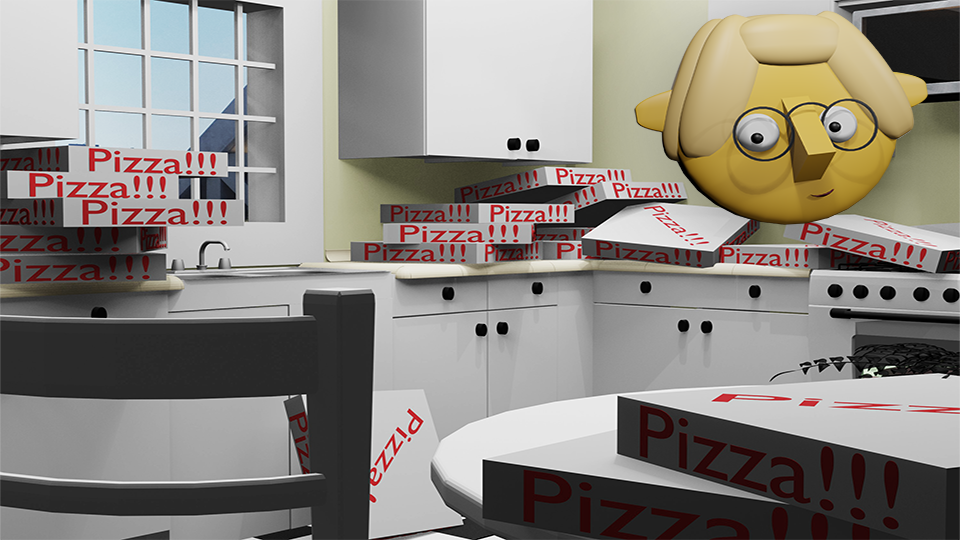
We’ve all been there. You’ve finally pushed aside the mountain of pizza boxes, donned your “Kiss the Cook” apron, and decided to sear a steak like a pro. You turn the burner to “High,” add a generous glug of extra virgin olive oil, and—BEEP. BEEP. BEEP.

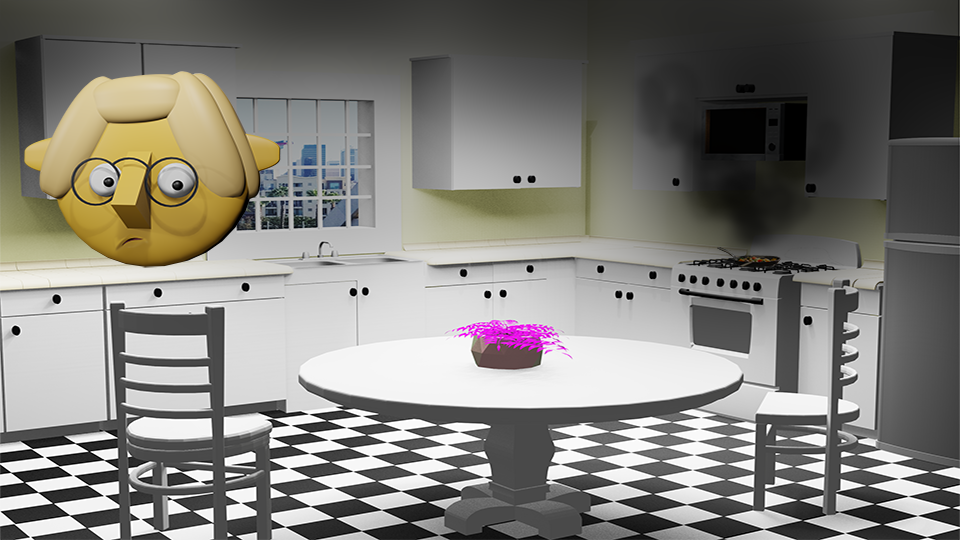
Suddenly, your kitchen looks like a London fog, your dog is hiding under the sofa, and you’re standing on a rickety chair waving a damp dish towel at a shrieking plastic disc on the ceiling.

Welcome to the Smoke Point. It’s the culinary version of a “Blue Screen of Death,” and it happens when your cooking fat gives up the ghost.

What Exactly is a Smoke Point?

Every oil or fat has a specific temperature where it stops being a cooking medium and starts becoming a fuel source for your local fire department. At this temperature, the oil begins to break down, releasing a bluish smoke and a nasty, bitter chemical called acrolein.

If you hit the smoke point, your food won’t taste “charred”—it will taste like a burnt radial tire.

The TumbleBump “Fat Map”

To keep the alarm silent, you have to match your oil to your heat. Think of it like choosing the right tires for a car:

  • The “Low-Heat” Divas (Under 350°F):
    • Butter and Extra Virgin Olive Oil. These are for flavor, not for fire. Use them for low-heat sautéing or finishing a dish. If you try to sear a steak in butter on high, the milk solids will burn faster than a New Year’s resolution.
  • The “Daily Drivers” (350°F – 400°F):
    • Canola, Vegetable, and Coconut Oil. These are the workhorses. They can handle a medium-high pan for your weeknight chicken or those “faster-than-fast-food” quesadillas.
  • The “Heat Seekers” (450°F+):
    • Avocado Oil, Grapeseed Oil, and Ghee. These are your high-performance oils. If you want a crust on that steak that would make a steakhouse jealous, these are the only ones invited to the party.

The “OOPS” Rescue: What to do when the smoke starts

If you see that first wispy blue line rising from the pan, don’t panic.

  1. Slide, Don’t Lift: Carefully slide the pan off the burner to a cool spot. Do not lift it and run toward the sink—spilling 400-degree oil is a much bigger “oops” than a smoky kitchen.
  2. The Window Maneuver: Open the back door and turn the stove fan to “Hurricane” mode.
  3. The Sacrifice: Dump the burnt oil into a heat-proof container (not the plastic trash can!), wipe the pan, and start over with a higher-heat oil. Your taste buds will thank you.

The “Why” Behind the Burn (The Science Bit)

Think of cooking oil as a collection of molecular chains. Some oils are “refined,” meaning they’ve been processed to remove impurities like minerals, enzymes, and proteins.

  • The Impurity Factor: Fats like Butter or Extra Virgin Olive Oil are “unrefined.” They are packed with delicious flavors, but those tiny proteins and plant particles are very sensitive to heat. They are like dry leaves in a forest—they catch fire (smoke) almost immediately.
  • The Chain Reaction: When you heat oil past its limit, the heat energy becomes so intense that it literally rips the molecular chains apart. This process is called Thermal Degradation. The oil stops being a lubricant and starts turning into a gas (smoke) and a solid (black carbon). This is why burnt oil feels “sticky” or “gummy” on the pan—you’ve literally performed a chemical experiment that went south.

The “Reset”: How to Finish the Meal

The pan is off the heat, the alarm is silenced, and the air is clearing. Here is the technical workflow to get back to the quesadilla:

1. The Cleanup (The Dry Wipe) Once the pan has cooled for a minute or two (so you don’t melt your spatula), use a wad of paper towels to wipe out the “failed” oil.

  • Crucial Safety Note: Do not rinse a hot pan with cold water in the sink. Not only can the steam burn you, but the “Thermal Shock” can warp your pan, turning your expensive skillet into a very shallow bowl.

2. The Temperature Check Before you put the pan back on the burner, turn the heat down. If it was on “10,” try “6.” Most home stoves are surprisingly powerful; “Medium-High” is usually the sweet spot for almost everything.

3. The “Oil Swap” Strategy Since our chef was likely using butter or EVOO when the smoking started, it’s time to pivot.

  • The Hybrid Method: If you want the flavor of butter without the smoking, add a tablespoon of Neutral Oil (like Canola) first, then drop a small pat of butter into it. The oil helps stabilize the butter, giving you a slightly higher “buffer” before things go south.

4. The “Sizzle Test” Don’t just trust the dial. Before you drop the whole quesadilla in, flick a tiny drop of water or a small piece of the tortilla into the pan.

  • No reaction? Too cold.
  • Gentle sizzle? Perfect.
  • Violent popping? Turn it down, you’re headed back to “Smoke Town.”

The “In-Situ” Pan Rescue

  1. The Dusting: Sprinkle a generous layer of baking soda over the scorched areas of the pan. Don’t be stingy—baking soda is cheap, but your elbow grease is expensive.
  2. The Hydration: Add just enough water to turn that powder into something that looks like toothpaste. If it’s runny like soup, you’ve added too much; you want it to sit and “dwell” on the vertical sides of the pan.
  3. The Dwell Time: This is the most important part of the technical manual. Walk away. Go watch a YouTube video or doom-scroll Instagram for a few minutes. The alkaline nature of the baking soda needs time to break the bond between the carbonized oil and the metal.
  4. The Scrub: Use a non-scratch sponge. You’ll notice the white paste starts to turn a disgusting grey or brown—that’s the “Oops” leaving the pan.
  5. The Final Rinse: Rinse with warm water and dry it immediately.

The TumbleBump Takeaway

Cooking should be a sensory experience, but “deafening alarm bells” isn’t the sense we’re going for. Master your smoke points, and the only thing screaming in your house will be your family asking for seconds.

Related Posts

Five Meal Ideas That Are Faster Than Fast Food

Stop idling in the drive-thru! Discover five delicious, home-cooked meal ideas that go from pantry to plate faster than a “value meal” delivery. Save your sanity and your wallet with these TumbleBump kitchen sprints.

We’ve all been there. It’s 6:00 PM, the fridge is staring at you blankly, and the siren song of the drive-thru starts wailing. You think, “It’ll be faster just to grab a burger.”

But let’s look at the math. By the time you find your keys, navigate the traffic lights, sit in a line of sixteen idling SUVs, and realize they forgot your dipping sauce, you’ve spent forty-five minutes and twenty-five dollars.

At TumbleBump, we believe the kitchen shouldn’t be a marathon. Here are five meal ideas that clock in under the “drive-thru threshold”—getting you to the dinner table before the delivery app even finds a driver.

1. The “I Can’t Believe It’s Dinner” Quesadilla

The humble flour tortilla is actually a culinary superhero.

  • The Sprint: Toss a tortilla in a dry skillet, sprinkle a handful of shredded cheese (and maybe some leftover rotisserie chicken or black beans), and fold.
  • Why it wins: Two minutes per side. Serve it with a dollop of Greek yogurt (the “healthy” sour cream) and jarred salsa. Total time: 5 minutes.

2. The “Pantry-Stap” Aglio e Olio

If you have dried pasta, garlic, and olive oil, you have a gourmet Italian meal.

  • The Sprint: While the pasta boils, thinly slice three cloves of garlic and sizzle them in a generous pool of olive oil with a pinch of red pepper flakes. Toss the noodles directly into the oil with a splash of pasta water.
  • Why it wins: It’s sophisticated, savory, and finishes the moment the pasta is al dente. Total time: 10 minutes.

3. The Breakfast-for-Dinner Scramble

Eggs are the fastest-cooking protein on the planet.

  • The Sprint: Whisk three eggs, throw in a handful of spinach or some diced deli ham, and scramble in a buttered pan. Toast a piece of sourdough on the side.
  • Why it wins: It’s high-protein, low-mess, and feels like a rebellious treat. Total time: 6 minutes.

4. “Better-than-Takeout” Shrimp Tacos

Shrimp is the “cheat code” of the culinary world because it cooks in roughly ninety seconds.

  • The Sprint: Thaw a handful of frozen, peeled shrimp under cold water. Sear them in a hot pan with lime juice and cumin. Throw them into charred corn tortillas with some bagged slaw mix.
  • Why it wins: It looks like a $14 appetizer, but costs pennies and takes less time than a commercial break. Total time: 8 minutes.

5. The Naan-Bread Pizza

Skip the dough-tossing and the delivery fee.

  • The Sprint: Use a piece of store-bought Naan or flatbread as your crust. Top with a smear of pesto or tomato sauce, mozzarella, and your favorite toppings. Broil for 3–4 minutes until bubbly.
  • Why it wins: You get that “wood-fired” crunch without the hour-long wait. Total time: 7 minutes.

The TumbleBump “Fast-Track” Shopping List

Toss this in your cart to ensure you’re always faster than the local delivery driver.

The “Dry” Aisle (The Foundation)

  • Flour Tortillas: Medium size works best for quesadillas or makeshift wraps.
  • Dried Pasta: Grab a box of Spaghetti or Linguine (thinner noodles cook faster!).
  • Store-bought Naan or Flatbread: Look for the packs in the bakery or deli section.
  • Good Olive Oil: Your “Liquid Gold” for flavor and sautéing.
  • Red Pepper Flakes & Cumin: To add a little “kick” without the effort.
  • Jarred Salsa: The ultimate low-effort condiment.

The “Cold” Case (The Fuel)

  • Large Eggs: The Swiss Army Knife of proteins.
  • Shredded Cheese: A Mexican blend or sharp Cheddar. (Pre-shredded is the speed-runner’s best friend).
  • Fresh Mozzarella: For those Naan pizzas.
  • Salted Butter: Because everything tastes better with a pat of butter.
  • Deli Ham or Pre-cooked Chicken: For adding instant bulk to scrambles or quesadillas.

The “Green” Corner (The Fresh Stuff)

  • Fresh Garlic: A whole head of it. It lasts forever and smells like heaven.
  • Bagged Spinach or Slaw Mix: No chopping required; just grab a handful and go.
  • A Lime or Two: For that essential “zing” that makes home cooking taste professional.

The “Just-In-Case” Freezer

  • Black Beans (Canned or Frozen): Great for fiber and filling out meals.
  • Frozen Corn: Stays sweet and adds a nice pop to your quesadillas.

The TumbleBump Takeaway

Fast food isn’t actually about the food; it’s about the convenience. But when you realize you can produce a hot, fresh meal in the time it takes to find a parking spot, the “convenience” of the drive-thru starts to look a lot like a slow-motion trap.

Stock these staples, and you’ll always have a “fast” option that actually tastes like home.


Related Reading

21005

©2026 TumbleBump.com All rights reserved