The modern grocery store is a masterpiece of retail psychology.
The entrance almost never opens directly into produce — it opens into a sensory experience. Flowers. Warm bread smells piped strategically. Bright lighting. The produce section, full of colorful things that make us feel virtuous, is usually the first real stop, positioned to put you in a generous, optimistic spending mood before you reach anything else.
The essentials — milk, eggs, bread — are almost always at the back or far corners, forcing you to walk past everything else to reach them.
The checkout lane is a gauntlet of small, impulsive things at eye level.
None of this is accidental. The store’s goal and your goal are not the same goal. Here’s how to shop like the store layout is irrelevant, because it can be.
Build a List Organized by Zone, Not by Recipe
Most people write their grocery list in the order they think of things: milk, pasta, apples, chicken, cereal, onions. Then they zigzag across the store, backtracking constantly, and either miss things or make extra passes that expose them to more impulse buying.
The better method: organize your list by store zone before you go.
Standard grocery store zones: 1. Produce (usually first) 2. Bakery/Deli 3. Meat and Seafood 4. Dairy and Eggs (usually near the back) 5. Frozen Foods 6. Center aisles (canned goods, pasta, snacks, condiments, cereal)
Write your list with items grouped under each zone. You move through the store once, in order, without backtracking. You’re in and out faster and you pass the tempting displays fewer times.
Shop the Perimeter First
Here’s the classic grocery wisdom: the perimeter of most stores contains the fresh food — produce, meat, dairy, bakery. The center aisles contain processed and packaged foods.
Shop the perimeter first, then dip into the center aisles for specific things on your list. This naturally loads your cart with fresh ingredients before you hit the packaged goods, which subtly affects what you end up buying (you’re less likely to load up on snacks if your cart is already full of vegetables and protein).
The “Never Shop Hungry” Rule
This one is so cliché it barely seems worth mentioning, and yet. Hungry shopping produces a cart full of things that sounded like a good idea at the time. Everything looks appealing when you’re hungry. The impulse-buy displays are never more effective than when your blood sugar is low.
Eat something — anything — before you go. Even a handful of crackers makes a difference. This is not a willpower tip; it’s a biochemistry tip. Hunger literally changes how your brain evaluates options.
Know Your Store’s Floor Plan
You shop at the same store most weeks. Spend one trip paying attention to where things are, and you’ll never need to wander again. Within a few weeks, your mental map is so complete that you can write your list in exact aisle order, walk through the store efficiently, and be done before someone else has finished circling the produce section.
This sounds like a small thing, but it saves a meaningful amount of time and willpower every single week.
The “Planned Variety” Rule for Center Aisles
The center aisles are where you build your pantry — and where the danger of unfocused browsing lives. Go in with a specific list. Give yourself permission to grab one “exploratory” item per trip (a new sauce, a grain you haven’t tried, something that catches your eye) and no more.
This gives you novelty without derailment.
Unit Price Math: The Skill Worth Developing
Grocery stores are required to display unit prices (price per ounce, per pound, per count) on shelf tags. Most people ignore these. The people who don’t ignore them consistently spend less.
The larger size is usually cheaper per unit — but not always. Store brands are usually cheaper per unit than name brands for the same quality — but again, not always. The unit price tag does the math for you; you just have to look at it.
Pick two or three things you buy every week and start comparing unit prices. Within a month you’ll be doing it automatically, and it will quietly save you real money over time.
The List Is the Plan
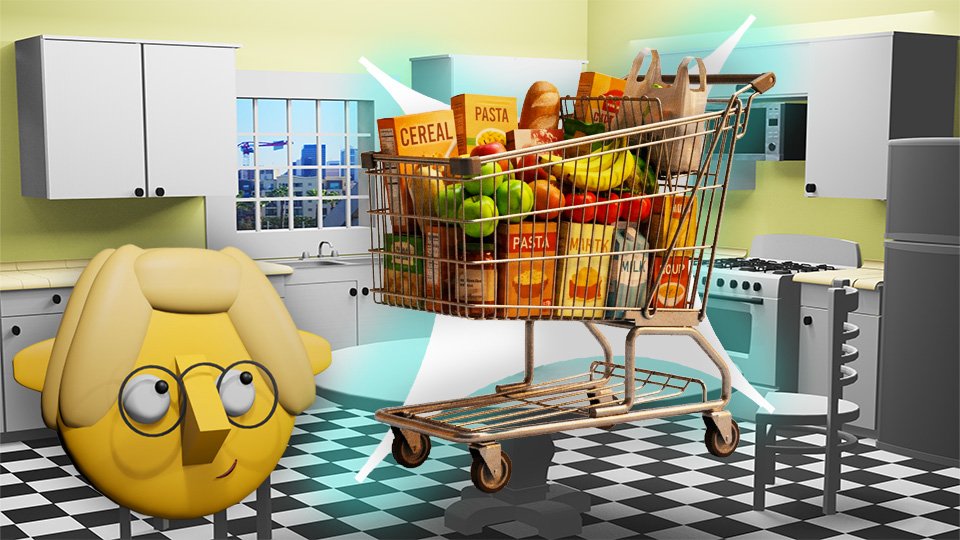
A grocery list isn’t just a memory aid. It’s the physical representation of your meal plan for the week. When you shop from a list built around specific meals, you buy what you need and not much more. When you shop without a list, you buy what looks good in the moment and end up with a refrigerator full of ingredients that don’t form a coherent meal between them.
The list is the plan. The plan is the week. The week is how you eat well without thinking about it too hard.
🛒 Gear Worth Having
- AnyList Grocery App — Organizes your list by store section automatically. Shared lists for households. The best grocery app in most people’s estimation.
- Insulated Grocery Tote Bags — For cold items on the way home. Also good for the environment. Also makes you look organized, which is its own satisfaction.
- Reusable Produce Bags — Eliminate the plastic bag situation in produce. Mesh, washable, and they actually work.
- Bento-Style Cooler Bag — Keeps produce and dairy properly chilled if you’re shopping and then running errands.
- Fastcheck Grocery Planner — For those who prefer pen-and-paper. A weekly template for list-building, budget tracking, and meal planning.
As an Amazon affiliate, I earn from qualifying purchases. Thank you for supporting TumbleBump.
Related Reads
- The Anatomy of a $100 Grocery Haul
- What to Get to Make Sure You Always Have Something
- Cooking on a Budget – It’s All a Plan
TumbleBump is part of the WhistleBump group – find the rest of the family at WhistleBump.com.
22013
©2026 John D Reinhart/TumbleBump.com – all rights reserved