How to Choose Saucepots and Stew Pots

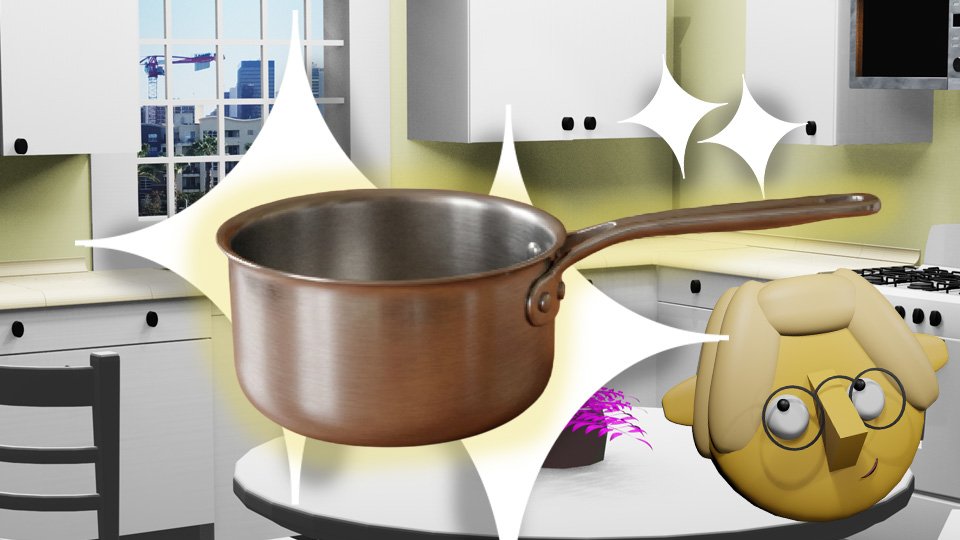
Not all pots are the same — a saucepan and a stockpot and a saucier and a braiser all have different shapes for different purposes. Here’s what the shapes actually do, what features matter, and how to build a pot collection that covers everything without buying redundant pieces.

The pot section of any kitchen store presents a slightly bewildering array of shapes, sizes, and names. Saucepan. Sauté pan. Saucier. Windsor pan. Stockpot. Soup pot. Dutch oven. Some of these names are used interchangeably; some describe genuinely different shapes with different purposes.

Here’s the taxonomy.


The Saucepan (1.5–4 Quart)

Shape: Straight or very slightly flared sides, flat bottom, single long handle, tight-fitting lid.

What it’s for: The saucepan does exactly what its name suggests — making sauces, heating liquids, cooking small quantities of grains and pasta, warming soups, making hot drinks. It’s a medium-depth pot for medium-volume tasks.

Why the shape matters: The straight or slightly tapered sides concentrate the cooking surface for liquids, making reduction efficient. The tight lid retains moisture when needed.

What to look for: – 3-ply clad construction (or disc-bottom minimum) – Snug-fitting lid – Pour spout on at least one side for clean pouring – An ergonomic handle long enough to stay cool

Size guidance: A 2-quart and a 3-quart cover most needs. The 2-quart handles sauces and small grain batches; the 3-quart handles larger batches and small soups.


The Saucier (2–4 Quart)

Shape: Like a saucepan but with curved, sloping sides that meet the bottom in a smooth arc rather than a corner.

What it’s for: The saucier’s rounded interior is designed for whisking and stirring sauces that require constant attention — béchamel, hollandaise, pastry cream, risotto, custards. The curved sides mean a whisk reaches the entire interior without missing the corners, preventing lumps and scorching.

The subtle upgrade: A saucier is marginally more expensive than a saucepan and does everything a saucepan does, plus sauces better. If you make a lot of sauces, it’s worth having.


The Stockpot (6–12 Quart)

Shape: Tall, narrow, with a large capacity and two loop handles.

What it’s for: Large-volume tasks — boiling pasta properly (pasta needs room to move), making stock from bones and vegetables, canning, cooking large batches of soup. The tall, narrow shape concentrates flavors as liquid reduces and makes efficient use of vertical space on the stove.

What to look for: – Heavy enough to sit stable with full weight of liquid – Tight-fitting lid – For most households: 8-quart is the sweet spot — large enough for a full pound of pasta or a whole chicken’s stock, not so large it’s unwieldy – Stainless steel is appropriate here; the stockpot doesn’t need the heat distribution properties of clad cookware because it’s primarily used with water and large quantities of liquid

Budget guidance: A stockpot doesn’t need to be expensive. A $40–60 stainless stockpot from Tramontina or Cuisinart performs as well as a $200 All-Clad for stock and pasta water.


The Dutch Oven / Braiser (Covered Elsewhere in Detail)

The Dutch oven — a heavy, wide, deep pot with a tight-fitting lid — is covered in its own dedicated post. It does the work of a stew pot for most household purposes and is the one pot that genuinely earns its keep above all others.

Take a quick read of The Dutch Oven: The Kitchen’s Iron Lung for details on these versatile, essential kitchen tools.


What Features Actually Matter

Construction quality (for saucepans): Clad construction matters more in saucepans than stockpots because saucepans cook at higher temperatures with smaller quantities of liquid where hot spots can develop and create scorching. 3-ply clad for saucepans; disc-bottom or basic stainless acceptable for stockpots.

Lid fit: A loose lid allows steam to escape, which reduces the effectiveness when braising, simmering, and reducing. Test the lid fit before buying; it should sit snugly without rattling.

Handle comfort and heat resistance: Long handles on saucepans keep hands away from heat. Loop handles on stockpots distribute the weight of a full pot safely. Handle material should stay cool or be rated for oven use if you plan to start on stovetop and finish in the oven.

Oven compatibility: Most stainless and cast iron pots are oven-safe to at least 400°F; some lids (with plastic or rubber knobs) are not. Check before purchasing if this matters to you.


🛒 Gear Worth Having

As an Amazon affiliate, I earn from qualifying purchases.


Related Reads


Posted on TumbleBump | INVESTS Category

TumbleBump is part of the John D Reinhart content family. Writer, illustrator, videographer, and accidental filmmaker — find the whole story at JohnDReinhart.com.

25002

©2026 John D Reinhart/TumbleBump.com – all rights reserved
How to Choose Skillets and Frying Pans

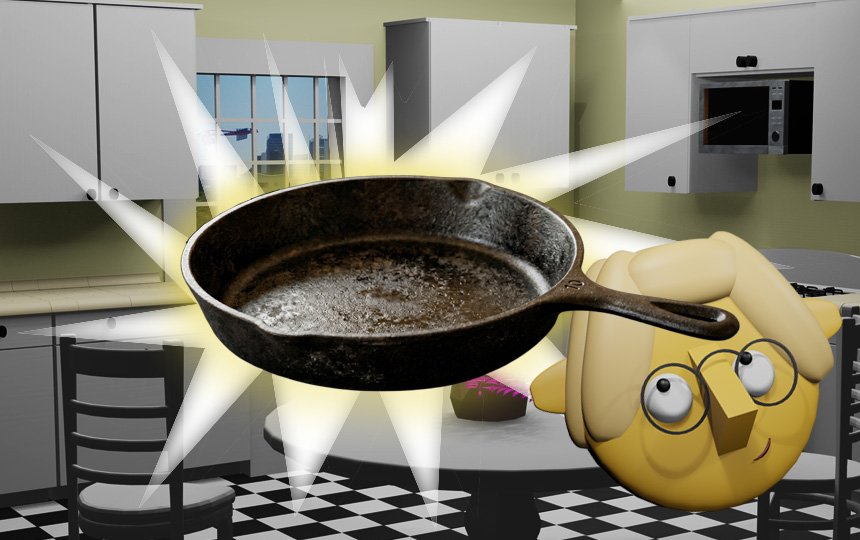
The skillet is the pan you’ll use more than any other. It’s also the pan with the most material options, most competing claims, and most potential for a wrong purchase. Here’s the complete guide to skillet materials, sizes, and what’s actually worth buying.

The skillet — also called a frying pan — is the most-used piece of cookware in most kitchens. Eggs go in it every morning. Chicken goes in it every week. Sauces get built in it, vegetables get sautéed in it, everything gets started in it.

Because it’s used so constantly, the skillet repays quality investment more than almost any other pan. Here’s how to choose wisely.


The Four Materials (and What Each One Is For)

Stainless Steel (Clad): The professional standard. Works at high heat, develops beautiful fond (the browned bits that become pan sauces), goes from stovetop to oven without complaint, and lasts indefinitely. Cleans easily with a little Barkeepers Friend.

The tradeoff: stainless sticks — to a degree that frustrates new users — when used at the wrong temperature or before the pan is fully preheated. Once you understand the heat protocol (preheat pan, add oil, heat until shimmering, add food, don’t move for 2–3 minutes), stainless becomes largely non-stick for most applications.

Best for: Searing proteins, developing fond for pan sauces, high-heat sautéing, anything going from stovetop to oven.

Cast Iron: High heat retention, grows more non-stick with seasoning, works at extreme temperatures, lasts generations. The best surface for achieving a genuine crust on proteins and for going from stovetop to broiler.

The tradeoff: heavy, requires seasoning maintenance, reactive with acidic foods over long periods, slower to heat than stainless.

Best for: Steaks, burgers, cornbread, frittatas, searing proteins at high heat, anything requiring sustained high heat or going under the broiler.

Carbon Steel: The professional kitchen’s preferred skillet. Lighter than cast iron with similar heat properties, seasons like cast iron, heats and cools faster than cast iron. The pan of choice in restaurant kitchens worldwide.

The tradeoff: requires seasoning like cast iron, reactive with acid, takes more initial effort to build seasoning.

Best for: The same tasks as cast iron, with better agility. The step up from cast iron for serious cooks.

Non-Stick: The most beginner-friendly surface. Food releases without sticking; cleanup is effortless. Essential for eggs, delicate fish, and crepes.

The tradeoff: can’t be used at high heat (damages the coating), can’t go under the broiler (most non-stick), doesn’t develop fond, and degrades over 3–5 years with proper care (faster with improper care).

Best for: Eggs, delicate fish, pancakes, crepes, and anything that needs a surface with zero sticking.


The Case for Owning Two

The ideal skillet situation for most home cooks is two pans:

  1. A stainless steel or cast iron skillet for high-heat cooking, searing, and stovetop-to-oven applications.
  2. A non-stick skillet for eggs and delicate applications.

These two pans together cover every skillet situation. Trying to do everything in one pan inevitably means either overusing non-stick at high heat (damaging it) or struggling with eggs in stainless (frustrating).


Size Guidance

10-inch: The sweet spot for 1–2 people. Large enough for most applications, easier to maneuver and store.

12-inch: For 2–4 people or anyone who regularly cooks larger quantities. The professional standard size. Slightly unwieldy but genuinely more useful.

8-inch: For single eggs, small omelettes, and heating single-serving sauces. A useful supplement but not a primary pan.

Get the 12-inch as your primary. Add an 8-inch non-stick if eggs for one is a daily occurrence.


Key Features to Check

Oven-safe temperature: At least 400°F for the primary skillet; 500°F+ for cast iron and carbon steel. Non-stick pans often have lower oven limits.

Handle comfort: Long enough to keep hands from heat; comfortable grip; riveted rather than welded construction for durability.

Weight: Heavy enough for heat retention, light enough to maneuver. Cast iron is heavy by nature; stainless and carbon steel are lighter.

Lid compatibility: Most skillets are sold without lids, but a universal lid (sold separately) is useful for stovetop braising and steaming.


🛒 Gear Worth Having

As an Amazon affiliate, I earn from qualifying purchases.


Related Reading

Posted on TumbleBump | INVESTS Category

TumbleBump is part of the John D Reinhart content family. Writer, illustrator, videographer, and accidental filmmaker — find the whole story at JohnDReinhart.com.

25001

©2026 John D Reinhart/TumbleBump.com – all rights reserved
Setting Up the Cook Space: The Basic Toolkit Every Cook Should Have

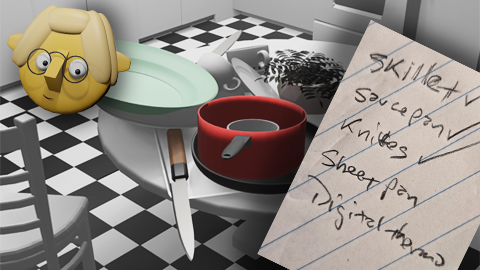
You don’t need a kitchen full of gadgets — just five friends for life. Here’s the actual toolkit that turns a kitchen from a stranger’s room into home base.

Stepping away from the pizza boxes and into your own kitchen is its own kind of rite of passage — good for your health, your wallet, and your peace of mind. But it doesn’t take a catalog’s worth of gadgets to get there. Just a few friends for life.

There’s a bit of local wisdom heard down in South Amboy: “You don’t gotta pan, you can’t cook.” Sounds like a riddle, but the logic’s dead simple — you can’t build a better dinner without the right foundation. If the kitchen feels like a stranger’s room, it’s probably because what’s in it is a collection of stuff, not a set of tools.

🍳 The Anchor: The Skillet

If you only own one thing, make it a good skillet. It’s where the actual why of cooking begins — heat distribution and surface area are what separate a real sear from a sad, pale attempt at one. A quality skillet handles a Sunday omelet and a seared protein equally well, which makes it the single most-used pan in almost any kitchen.

🍲 The Essential: The Saucepan

This is the tool that teaches the most important lesson in cooking: managing heat over time. Grains, pasta, sauces — anything that needs to simmer, reduce, or hold a steady temperature runs through a saucepan. Boiling water is the easy part; learning to control heat once something’s already cooking is the actual skill it builds.

🔪 The Specialist: The Chef’s Knife

Someone probably showed you how to use a knife a long time ago, but owning one that’s actually yours — sharp, well-balanced, familiar in the hand — changes the whole relationship with prep work. A sharp knife is genuinely safer than a dull one, since it requires less force and slips less. It’s the difference between chopping as a chore and prepping as something closer to a rhythm.

🍠 The Reliable: The Sheet Pan

A sheet pan lets an entire meal — protein and vegetables together — roast at once, with one pan to clean afterward instead of three. It’s the easiest way to produce a genuinely good dinner without turning the kitchen into a disaster zone in the process, which matters more on a Tuesday than any other night of the week.

🌡️ The Truth-Teller: The Digital Thermometer

This is the anti-oops tool. Instead of guessing whether something’s done, a thermometer just tells you — no more cutting into a chicken breast to check and hoping. It removes the anxiety of both undercooking and overcooking in one small, inexpensive device, which makes it one of the highest-value tools on this entire list relative to its cost.

🍽️ The TumbleBump Way

Setting up a cook space isn’t about buying a lifestyle — it’s investing in the tools that let you actually live one. Five basics, chosen well, do more for a kitchen than twenty gadgets chosen poorly. Once they’re in the drawer, cooking stops being a stranger’s task and starts being just something you do.

🛒 Gear Worth Having

Cuisinart Multiclad Pro Skillet and Saucepan Starter Set — Covers the two most-used pans in this whole list in one purchase — the actual foundation everything else builds on.

Victorinox 8-Inch Chef’s Knife — A genuinely sharp, well-balanced knife at a price that doesn’t demand a second mortgage — the one worth owning before any specialty blade.

Digital Instant-Read Thermometer — The anti-oops tool this post is named for — removes the guesswork from doneness for less than the cost of the meal it’s protecting.

As an Amazon affiliate, I earn from qualifying purchases. Thank you for supporting TumbleBump.

📖 Related Reads


TumbleBump is part of the John D Reinhart content family. Writer, illustrator, videographer, and accidental filmmaker — find the whole story at JohnDReinhart.com.

25019

©2026 John D Reinhart/TumbleBump.com — All rights reserved