You finish cooking dinner.
It was great. You made rice. You seared some chicken. Your significant other said “This is amazing.” And then you look at your kitchen.
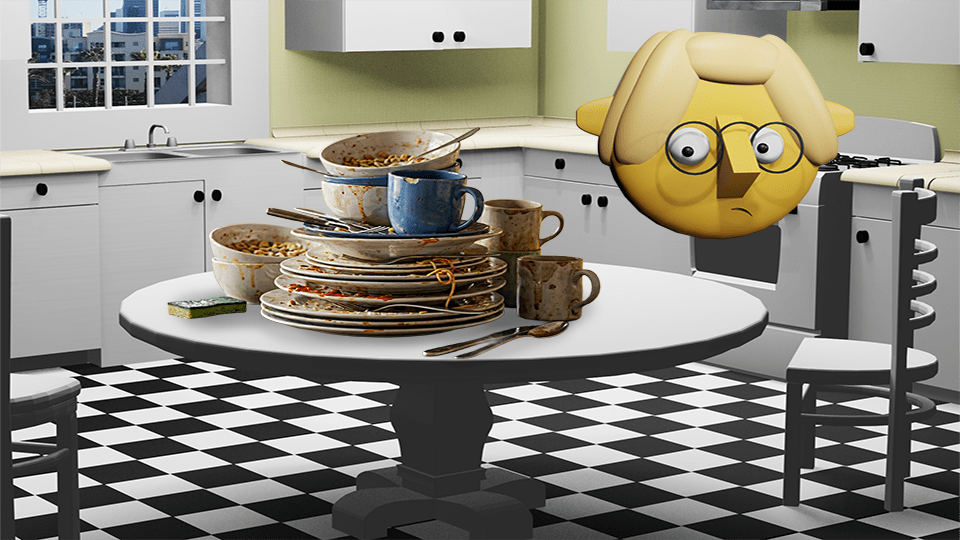
It looks like a tornado hit a restaurant supply store. Dishes everywhere. Oil splatters on the counter. A mysterious bowl with flour residue sitting in the sink. The cutting board is doing its best impression of a crime scene. And you’re thinking: “I am never cooking again. Ever. Pizza is my love language now.”
Here’s what most people don’t understand about cooking: the meal is 30 minutes. The cleanup is an hour. And nobody talks about this in cooking shows because they just magic away the mess with scene cuts and producers.
But here’s the secret that separates people who cook once and hate it from people who actually enjoy cooking: cleanup as you go.
This isn’t about being a neat freak. This is about spending ten extra minutes during cooking so you don’t spend an hour afterward standing in dish purgatory, wondering where your life went wrong.
Understanding how to clean as you cook means the difference between “cooking is a chore” and “cooking is actually kind of nice.” And that’s worth learning.
Let’s master cleanup so you can enjoy the victory of cooking instead of drowning in the aftermath.
The Core Principle: Ten Minutes of Cleaning During Cooking = No Hour of Misery After
This is the mindset shift that separates people who cook regularly from people who swear off cooking after one attempt.
Cleanup isn’t separate from cooking. It’s part of cooking. The moment you accept that, everything changes.
The math:
- Cooking: 30 minutes
- Cleanup during: 10 minutes (built into your cooking time)
- Cleanup after: 5 minutes (just dishes)
- Total: 45 minutes
versus
- Cooking: 30 minutes
- Cleanup after: 60 minutes of pure regret
- Total: 90 minutes of misery
You’re not adding time. You’re just redistributing it so you don’t face a kitchen disaster at the end.
Understanding this means understanding that your future self will be grateful if you spend ten minutes now cleaning instead of thirty minutes later crying.
The Golden Rule: Clean As You Finish With Each Ingredient
Here’s how cleanup as you go actually works:
Step 1: The Mise en Place (Aka “Getting Your Stuff Out”)
Before you cook anything, get out all your ingredients. Measure rice, open cans, get your spices ready.
The cleanup part: Once you’ve pulled everything out, put the empty cans in the recycling. Put the lids back on your spice jars immediately. Put the measuring cups in the sink. You haven’t even started cooking and you’ve already prevented three messes.
Real talk: Future you is already thanking present you.
Step 2: The Cutting Board Moment
You’re cutting vegetables or chicken. There’s going to be a mess. Accept this.
The cleanup part: Don’t leave the cutting board sitting there with raw chicken residue slowly congealing on it. The moment you finish cutting, rinse the board. Wash your knife. Wipe down the counter where you were working. Literally 90 seconds.
If you wait until after cooking, that chicken juice has bonded to the wood like it’s planning to stay forever.
Real talk: Raw meat juice is not your friend. Handle it now, not later.
Step 3: The Oil Splash Moment
You’re cooking something in hot oil. Oil splatters. It’s inevitable. It’s infuriating.
The cleanup part: Keep a damp cloth nearby. When you see a splatter, wipe it immediately. A fresh splatter takes two seconds. A dried splatter takes five minutes of scrubbing and your will to live.
Real talk: Oil splatters are your enemy, but only if you let them dry.
Step 4: The Tasting Spoon Moment
You’re tasting your food to see if it needs salt. You use a spoon. Now that spoon is dirty.
The cleanup part: Rinse it immediately and put it in the sink. Don’t leave dirty spoons sitting on the counter. Don’t reuse the same spoon without rinsing. Rinse as you go.
Real talk: A sink of soapy water with a sponge is your best friend. Dip the spoon, quick wash, into the sink. Takes five seconds.
Step 5: The Empty Bowl Moment
You’ve dumped ingredients out of bowls. Now you have empty, used bowls.
The cleanup part: Rinse them immediately and put them in the sink or a dishwasher if you have one. Don’t leave them sitting around collecting residue.
Real talk: An empty bowl gets crusty fast. Rinse immediately.
Step 6: The Cooking Completion Moment
Your food is done. You plate it up. Now you have pots, pans, and utensils.
The cleanup part: The moment the food comes off the heat, fill that pot or pan with hot water and let it soak. Literally just fill it. You don’t have to wash it yet. But soaking a hot pot for five minutes saves you ten minutes of scrubbing later.
Real talk: Hot soapy water is the laziest person’s best friend. Let it do the work while you eat.
The Cleanup Station (Your Secret Weapon)
Set up one area of your kitchen as your “cleanup station.”
What goes there:
- A sink (or a bowl if you don’t have space)
- Hot soapy water
- A sponge
- A drying cloth or rack
- Your dirty dishes
Why it works: Everything is in one place. You’re not running around looking for a cloth. You’re not wondering where the sponge is. Everything you need to clean something is right there.
Real talk: This takes literally 30 seconds to set up and saves you 30 minutes of chaos.
The Counter Strategy (Keep It Clear)
Your cooking counter should have exactly three things on it:
- What you’re currently cooking
- Your cleanup station
- A trash bowl (for vegetable scraps, empty cans, whatever)
That’s it.
Why it works: A clear counter is a clear mind. You can move. You can work. You’re not climbing over yesterday’s mail and a mysterious Tupperware container.
Real talk: Clutter creates stress. Stress makes you mess things up. Mess things up and you have more to clean. It’s a vicious cycle. Break it by keeping one clear counter.
The Dish Washing Hack (Because Dishes Are The Worst)
You’ve finished cooking. There’s a sink full of dishes. This is the moment you want to order pizza and never cook again.
Here’s the hack:
Don’t wash all the dishes right now. Wash the pots and pans and cooking utensils. Leave the plates for after you eat.
Why:
- You just cooked. You’re tired.
- The pots are hot and easier to wash right now
- The plates can wait ten minutes
- Eating first gives you energy to finish the last few dishes
- Your hands will appreciate not being in hot water for 45 minutes straight
Real talk: You don’t have to do it all at once. Do the hard stuff now, the easy stuff later.
What NOT To Do (Learn From These)
❌ Leave oil splatters to dry on the stove They turn into a crusty layer that requires a chisel to remove. Wipe them immediately.
❌ Leave raw chicken on the cutting board while you cook It dries on and becomes a safety hazard. Wash it immediately.
❌ Use the same utensil for raw and cooked food without washing Cross-contamination is real and gross. Rinse in between.
❌ Let oil cool in the pan before washing Hot oil washes off easily. Cool oil clings like it’s planning to stay forever. Wash while it’s hot.
❌ Stack dirty dishes instead of rinsing them A stack of dishes is just a Jenga tower of regret waiting to topple. Rinse as you go.
❌ Leave the cooking counter messy while you eat You finish eating and now you have to clear the counter before you can wash dishes. You’ve created extra work. Clean as you go.
Real talk: These aren’t cute mistakes. They’re time-thieves that steal your future peace.
The Timeline (What This Actually Looks Like)
6:00 PM: Start Cooking
- Mise en place: 5 minutes (stuff out, trash in recycling)
- Cut vegetables: 10 minutes (board rinsed immediately after)
- Cook rice/protein: 15 minutes (wiping splatters, rinsing utensils)
6:30 PM: Plate Food
- Plates on table: 2 minutes
- Pots and pans soaking: 1 minute
6:35 PM: Eat Dinner
- Enjoy your food: 20 minutes
6:55 PM: Finish Cleanup
- Pots already soaked so they’re easy: 10 minutes
- Plates: 3 minutes
- Wipe down counter: 2 minutes
7:10 PM: Done
versus
6:00 PM: Start Cooking (same 30 minutes of cooking, but you ignored cleanup)
6:30 PM: Plate Food (don’t clean anything)
6:35 PM: Eat Dinner
6:55 PM: Face The Kitchen
- Dried oil splatters on the stove: 10 minutes of scrubbing
- Raw chicken residue on cutting board: 5 minutes
- Crusty pots with solidified food: 15 minutes of soaking and scrubbing
- Random spoons and bowls: 5 minutes
- The counter: 10 minutes
7:40 PM: Finally Done (And you’ve sworn off cooking forever)
The Real Talk
Cooking is great. Cleanup is terrible. But if you do cleanup as you go, the terribleness is barely noticeable. It’s just part of the process.
Your future self—the one standing in a clean kitchen at 7:10 PM instead of a disaster zone at 7:40 PM—will be so grateful you made this choice.
And here’s the secret truth: once cleanup isn’t a nightmare, cooking actually becomes fun. You’ll want to cook again. You’ll suggest cooking to your boyfriend instead of him suggesting it. You’ll be the person saying “Yeah, I can cook.”
That’s worth ten minutes of cleanup as you go.
Related Reads
- The Essential Five: Your Kitchen’s Stable of Staples – What you’re cooking with
- Setting Up the Cook Space: The Basic Toolkit Every Cook Should Have – The tools that make cleanup easier
- The Sunday Reset: How to Calendar Your Meals Without Losing Your Mind – Planning so you don’t panic
Always wash hands and surfaces that have touched raw meat. Soak hot pans immediately to prevent food from hardening. Never leave hot oil unattended. Use separate cutting boards for raw meat and vegetables to prevent cross-contamination. Wipe up spills immediately to prevent slips and falls.
23006
©2026 TumbleBump.com All rights reserved
 tumblebump.com