Sticky pasta is the result of starch, timing, and one very common draining mistake. Once you understand the cause, both the fix and the prevention become obvious.
Why Pasta Sticks
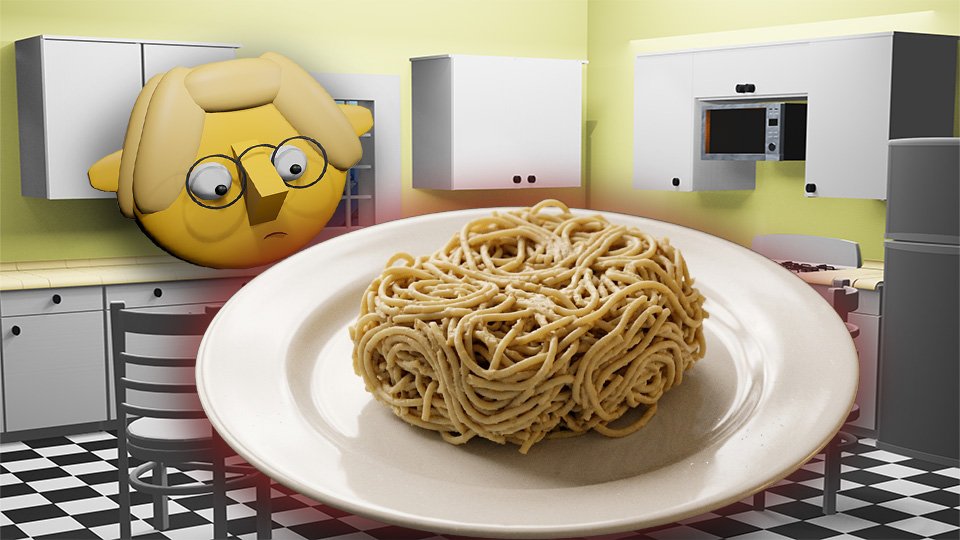
Fresh-cooked pasta is covered in a layer of gooey, sticky starch that was leached from the pasta during cooking. When you drain the pasta and let it sit — especially if it cools — this starch becomes an effective adhesive, gluing the strands or pieces together into a unified mass.
The mistake that makes it worse: rinsing pasta after draining. Many people rinse pasta to stop cooking or to cool it, which removes the starchy coating. This sounds like it would help with sticking, but rinsing also removes the starchy coating that helps sauce adhere to pasta. The pasta is slippery, sauceless, and then sticks anyway as it cools. Rinsing cooked pasta is almost never the right call.
The Actual Prevention
Get the pasta into sauce immediately. Freshly drained pasta tossed immediately with sauce doesn’t stick — the sauce coats the strands before they can bond to each other. This is why professional cooks move hot pasta directly into the pan with the sauce, using a bit of pasta water to help everything come together. Timing is everything.
Reserve pasta water before draining. Starchy pasta water (it looks slightly cloudy and milky) is the secret sauce of pasta cooking. A splash tossed with drained pasta prevents sticking, and more added to the sauce makes it clingy and cohesive.
Add a small amount of olive oil if holding. If you need to hold cooked pasta before saucing — for a buffet or timed dinner — toss it with a teaspoon of olive oil after draining to coat the strands lightly. This is a short-term fix that works for 20–30 minutes. Longer than that, the pasta will still begin to clump.
Rescuing the Brick Right Now
If the pasta is already stuck:
The hot water splash: Bring a small amount of water to boil in the pot. Add the stuck pasta and toss briefly — 30–45 seconds — in the hot water. The heat and water loosen the bonds. Drain immediately and get it into sauce.
The sauté method: Add the stuck pasta to a pan with a tablespoon of olive oil or butter and a splash of water over medium heat. Toss with tongs as it heats. The steam loosens the stuck strands while the oil coats and separates them. This works well and has the advantage of also adding flavor.
The pasta water rescue: If you remembered to save pasta water — pour a few tablespoons over the stuck pasta and toss. The warm, starchy water rehydrates the bonding layer and lets the strands separate.
The Pasta-to-Sauce Ratio Problem
Sometimes pasta sticks not from sitting too long but because there isn’t enough sauce to coat it. The pasta absorbs some of the sauce and the rest sits dry. This is a different problem with a different fix: more sauce, or pasta water stirred into the existing sauce to add volume and body.
Cold Pasta for Tomorrow: Different Rules
If you’re intentionally storing cooked pasta for next day use:
Toss with a teaspoon of olive oil after draining and let it cool completely before refrigerating. The oil keeps the strands from sticking in storage. When reheating, add a splash of water to the pan and warm over medium heat, tossing to loosen. Don’t microwave cold pasta without added moisture — it will be a brick again and dry out.
🛒 Gear Worth Having
- OXO Good Grips Colander — Stable colander that makes draining fast, so the pasta spends minimal time sitting without sauce.
- Pasta Pot with Built-In Strainer Lid — Drain directly from the pot without a separate colander step. Faster transit time, less sticking.
- OXO Locking 12-inch Tongs — For tossing pasta with sauce. The tong-and-toss method is the fastest way to coat pasta without clumping.
- Pyrex 2-Cup Liquid Measuring Cup — For scooping pasta water before draining. Keeping it next to the stove as a reminder helps build the habit.
- Colavita Pasta Variety Pack — Quality pasta with a better surface texture that holds sauce and resists sticking better than bargain pasta.
As an Amazon affiliate, I earn from each qualifying purchase. Thank you for supporting TumbleBump.
Related Reads
- The Nuts and Bolts of Making Pasta
- Why the Spaghetti Water is Running All Over the Stove
- Seven Dishes Every Beginning Cook Should Make First
TumbleBump is part of the WhistleBump group – find the rest of the family at WhistleBump.com.
26006
©2026 John D Reinhart/TumbleBump.com – all rights reserved