
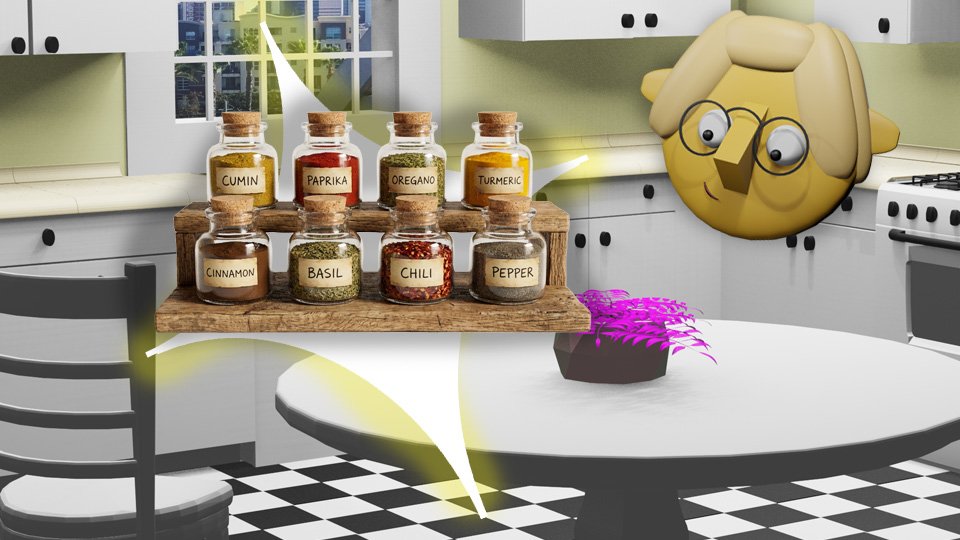
The spice aisle is one of grocery shopping’s more paralyzing environments. Dozens of options, enormous price variation, and the nagging sense that a well-stocked spice rack requires not just the common suspects but also sumac, za’atar, smoked pimentón, and various other jars that will sit at the back of the cabinet for four years.
Here’s a more useful frame: there are five spices that appear across more dishes, more cuisines, and more situations than any others. Build around these five first. Add others when specific recipes call for them. This approach produces a spice collection that’s actually used rather than displayed.
The Big Five
1. Kosher Salt (and Flaky Finishing Salt)
Salt is technically a mineral, not a spice, but it deserves first position in any seasoning conversation because nothing else matters as much. Kosher salt (Diamond Crystal specifically — the coarser grain and lower density make it easier to control) is the everyday cooking salt. Flaky sea salt (Maldon) is the finishing salt — a pinch on top of a finished dish adds texture and a clean, bright burst of salinity that regular salt can’t produce.
Two salts, two roles. Neither is optional.
2. Black Pepper (Whole Peppercorns, Freshly Ground)
Pre-ground black pepper oxidizes rapidly and loses most of its aromatic complexity within weeks of grinding. The pre-ground pepper in the standard shaker is, by the time you use most of it, delivering very little beyond a vague peppery heat with none of the floral, piney, spicy complexity of fresh-ground.
Buy whole peppercorns. Keep a pepper grinder. Grind directly into whatever you’re cooking. The difference is immediate and dramatic.
3. Cumin
The spice that appears in Mexican, Indian, Middle Eastern, North African, and Central Asian cooking in slightly different forms and roles. Cumin has a warm, earthy, slightly bitter character that deepens the base of almost any savory dish it enters. It’s in taco seasoning, in garam masala, in harissa, in chili, in hummus, in shakshuka.
Ground cumin is the convenient everyday form. Whole cumin seeds, toasted briefly in a dry pan before grinding, produce a noticeably more complex result — worth the extra step for dishes where cumin is featured prominently.
4. Smoked Paprika
Regular paprika (sweet, mild, red) adds color without much flavor and features in some European dishes. Smoked paprika adds color plus a deeply savory, woody, campfire-adjacent complexity that transforms many dishes. It’s what makes a grain bowl taste like it was made with intention. It’s what deepens a tomato-based sauce. It’s what makes roasted vegetables taste like they spent time near a fire.
Sweet smoked paprika is the everyday form. Hot smoked paprika is the version with heat. Either one belongs in the Big Five; pick based on your heat preference.
5. Garlic Powder
Fresh garlic is almost always preferable to garlic powder — but garlic powder is a different ingredient with a different role, not an inferior substitute. It distributes evenly through dry rubs, spice blends, and flour-based coatings in a way that fresh garlic can’t. It doesn’t burn at high heat the way fresh garlic does. It builds a round, mild background garlic flavor that doesn’t have the sharpness of raw or the sweetness of roasted.
Garlic powder is a support ingredient, not a shortcut. Keep it alongside fresh garlic, not instead of it.
The Honorable Mentions (The Next Five)
Once the Big Five are covered, these five expand the range significantly without veering into specialty territory:
- Dried oregano — Italian, Greek, Mexican cooking; the herb that costs nothing and adds enormously to tomato sauces and marinades
- Red pepper flakes (crushed chili) — The adjustable heat that works in almost any cuisine
- Cinnamon (ground) — Not just for dessert; a pinch in Moroccan tagines, chili, and certain Mexican sauces adds warming depth
- Turmeric — Color, mild earthy flavor, and anti-inflammatory properties; the base of most curry powders
- Dried bay leaves — The background note in soups, braises, and stocks that’s impossible to pinpoint but noticeably absent
Freshness: When Spices Die
Dried spices don’t go bad in the food safety sense — they don’t grow mold or become dangerous. They go stale. The volatile aromatic compounds that carry flavor and aroma oxidize over time, leaving behind color but little else.
Signs a spice is stale: Rub a small amount between your fingers and smell it. Fresh spices are immediately aromatic. Stale spices smell like cardboard or almost nothing. If the smell is gone, the flavor is gone.
General shelf life (in an airtight container, away from heat and light): – Ground spices: 2–3 years – Whole spices: 3–5 years – Dried herbs: 1–2 years (they degrade faster than spices)
The spice rack inherited from a previous tenant or bought in a set ten years ago should be completely replaced. This is not a waste — it’s the moment your food starts tasting like the spices you added.
🛒 Gear Worth Having
- Diamond Crystal Kosher Salt — The everyday cooking salt. The coarser grain and lower density make controlled pinching far easier than table salt.
- Maldon Sea Salt Flakes — The finishing salt. A box lasts a year and costs very little.
- OXO Pepper Grinder with Whole Peppercorns — The investment in fresh-ground pepper. The OXO grinder is smooth and consistent.
- Magnetic Spice Jars with Labels — The spice organization upgrade. Uniform jars, clearly labeled, magnetically mounted — makes using spices faster and more reliable.
As an Amazon affiliate, I earn from qualified purchases. Thank you for supporting TumbleBump.
Related Reading
- The Essential Five: Your Kitchen’s Stable of Staples
- Five Meal Ideas that are Faster than Fast Food
- Setting Up the Cook Space: The Basic Toolkit
TumbleBump is part of the WhistleBump group – find the rest of the family at WhistleBump.com.
27006
©2026 John D Reinhart/TumbleBump.com – all rights reserved