The pot section of any kitchen store presents a slightly bewildering array of shapes, sizes, and names. Saucepan. Sauté pan. Saucier. Windsor pan. Stockpot. Soup pot. Dutch oven. Some of these names are used interchangeably; some describe genuinely different shapes with different purposes.
Here’s the taxonomy.
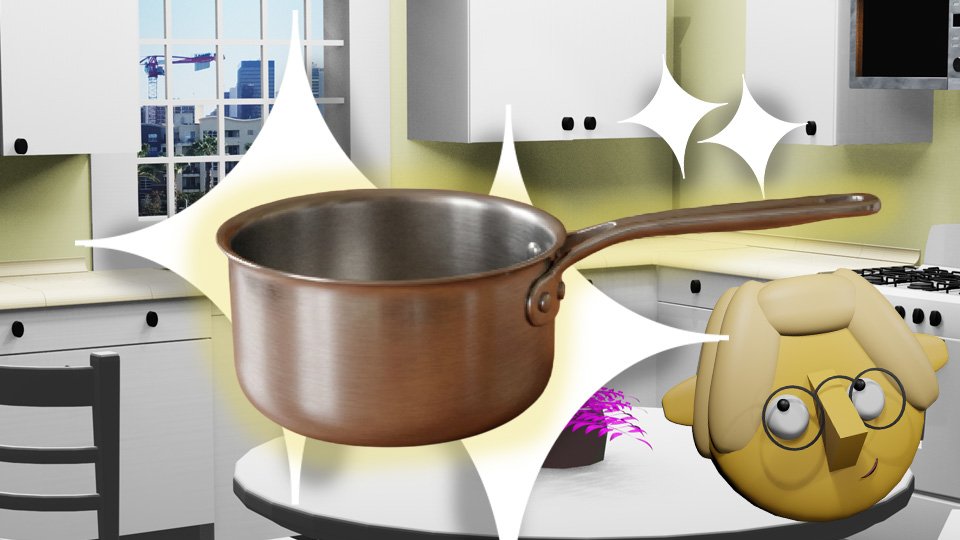
The Saucepan (1.5–4 Quart)
Shape: Straight or very slightly flared sides, flat bottom, single long handle, tight-fitting lid.
What it’s for: The saucepan does exactly what its name suggests — making sauces, heating liquids, cooking small quantities of grains and pasta, warming soups, making hot drinks. It’s a medium-depth pot for medium-volume tasks.
Why the shape matters: The straight or slightly tapered sides concentrate the cooking surface for liquids, making reduction efficient. The tight lid retains moisture when needed.
What to look for: – 3-ply clad construction (or disc-bottom minimum) – Snug-fitting lid – Pour spout on at least one side for clean pouring – An ergonomic handle long enough to stay cool
Size guidance: A 2-quart and a 3-quart cover most needs. The 2-quart handles sauces and small grain batches; the 3-quart handles larger batches and small soups.
The Saucier (2–4 Quart)
Shape: Like a saucepan but with curved, sloping sides that meet the bottom in a smooth arc rather than a corner.
What it’s for: The saucier’s rounded interior is designed for whisking and stirring sauces that require constant attention — béchamel, hollandaise, pastry cream, risotto, custards. The curved sides mean a whisk reaches the entire interior without missing the corners, preventing lumps and scorching.
The subtle upgrade: A saucier is marginally more expensive than a saucepan and does everything a saucepan does, plus sauces better. If you make a lot of sauces, it’s worth having.
The Stockpot (6–12 Quart)
Shape: Tall, narrow, with a large capacity and two loop handles.
What it’s for: Large-volume tasks — boiling pasta properly (pasta needs room to move), making stock from bones and vegetables, canning, cooking large batches of soup. The tall, narrow shape concentrates flavors as liquid reduces and makes efficient use of vertical space on the stove.
What to look for: – Heavy enough to sit stable with full weight of liquid – Tight-fitting lid – For most households: 8-quart is the sweet spot — large enough for a full pound of pasta or a whole chicken’s stock, not so large it’s unwieldy – Stainless steel is appropriate here; the stockpot doesn’t need the heat distribution properties of clad cookware because it’s primarily used with water and large quantities of liquid
Budget guidance: A stockpot doesn’t need to be expensive. A $40–60 stainless stockpot from Tramontina or Cuisinart performs as well as a $200 All-Clad for stock and pasta water.
The Dutch Oven / Braiser (Covered Elsewhere in Detail)
The Dutch oven — a heavy, wide, deep pot with a tight-fitting lid — is covered in its own dedicated post. It does the work of a stew pot for most household purposes and is the one pot that genuinely earns its keep above all others.
Take a quick read of The Dutch Oven: The Kitchen’s Iron Lung for details on these versatile, essential kitchen tools.
What Features Actually Matter
Construction quality (for saucepans): Clad construction matters more in saucepans than stockpots because saucepans cook at higher temperatures with smaller quantities of liquid where hot spots can develop and create scorching. 3-ply clad for saucepans; disc-bottom or basic stainless acceptable for stockpots.
Lid fit: A loose lid allows steam to escape, which reduces the effectiveness when braising, simmering, and reducing. Test the lid fit before buying; it should sit snugly without rattling.
Handle comfort and heat resistance: Long handles on saucepans keep hands away from heat. Loop handles on stockpots distribute the weight of a full pot safely. Handle material should stay cool or be rated for oven use if you plan to start on stovetop and finish in the oven.
Oven compatibility: Most stainless and cast iron pots are oven-safe to at least 400°F; some lids (with plastic or rubber knobs) are not. Check before purchasing if this matters to you.
🛒 Gear Worth Having
- All-Clad D3 Stainless 3-Quart Saucepan — The reference saucepan. Excellent clad construction, lifetime warranty.
- Tramontina 3-Quart Tri-Ply Clad Saucepan — The rational alternative at half the price.
- All-Clad 3-Quart Saucier Pan — The sauce specialist for those who cook a lot of stirred sauces.
- Cuisinart 12-Quart Stockpot — Reliable, large enough for serious pasta and stock work, reasonable price.
- Tramontina 8-Quart Stainless Stockpot — The accessible-price stockpot that covers most household needs.
As an Amazon affiliate, I earn from qualifying purchases. Thank you for supporting TumbleBump.
Related Reads
- Setting Up the Cook Space: The Basic Toolkit
- How to Choose Skillets and Frying Pans
- Five Meal Ideas that are Faster than Fast Food
TumbleBump is part of the WhistleBump group – find the rest of the family at WhistleBump.com.
25002
©2026 John D Reinhart/TumbleBump.com – all rights reserved